
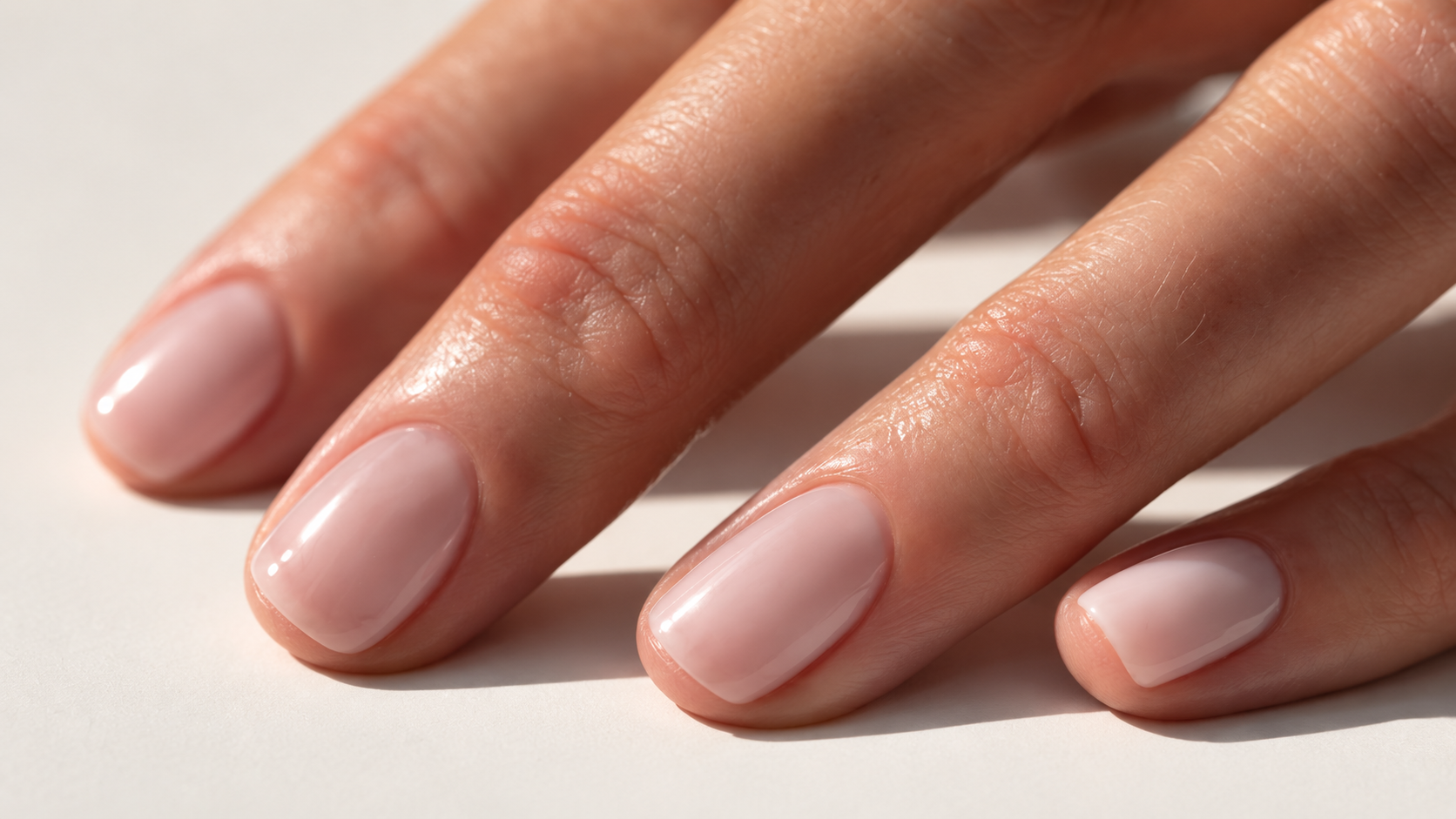
Their precise finish and promises of lasting wear have made Ukrainian and Russian manicures objects of fascination. Understanding the appeal starts with separating the treatment names from the techniques, and knowing where meticulous preparation should stop.
Katie Hughes-Dawkins writes candidly about the pressures and rewards of leadership in aesthetics, drawing on two decades of experience building teams and running businesses. From hiring the right people to accepting that you won’t always be liked, she shares the lessons that have shaped her approach, including why kindness matters and when it’s time to put your own wellbeing first.

From digestive health to the changes that accompany menopause, food has an important part to play in how we feel. Registered dietitian Laura Tilt explains what eating for your health can realistically achieve, and how to make the advice work beyond the shopping list.

Six Senses, Rosewood, Equinox and Nammos are shaping a Saudi coastal destination where longevity programmes, sleep and recovery, Arabian spa rituals and social wellbeing sit within one ambitious masterplan.

Joe Hill’s latest colour forecast keeps the depth associated with autumn, then brings back the light with mocha chocolate, precisely placed gold and a finish designed to glow.
Once tights come back into circulation and the holiday suitcase is put away, the waxing appointment that seemed essential in June can start to look easy to postpone. Taking a break is entirely a matter of preference, but anyone who enjoys the results of regular waxing may find that their first appointment back in spring feels different from the ones they remember.
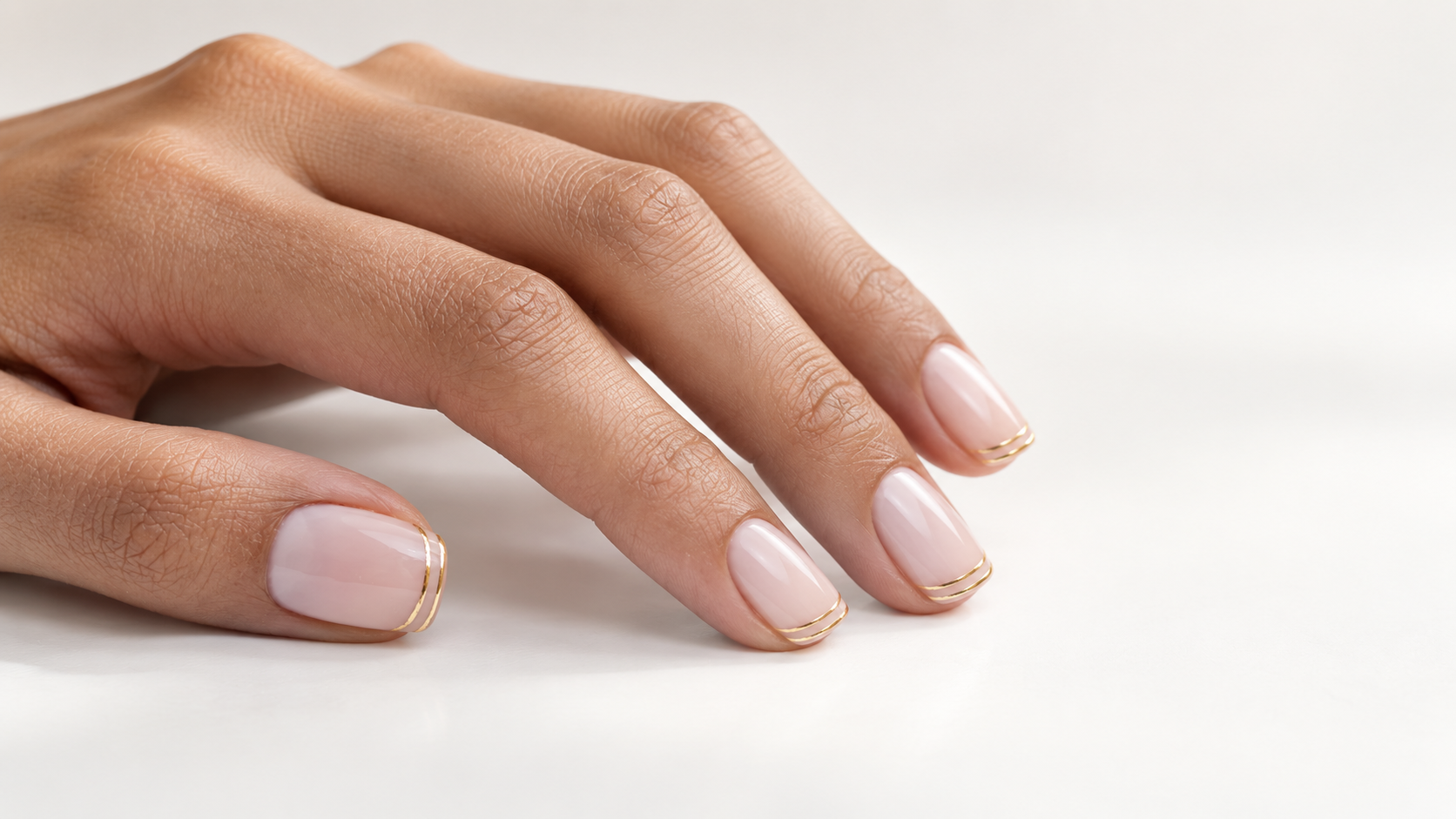
One ingredient, two regulatory timetables and shelves full of near-identical bottles. The new TPO rules call for a forensic look at stock, suppliers and lamps, not a panicked exit from gel. On a salon shelf, the change is almost invisible. The same orderly rows of builder gels, bases, top coats and colour remain in place, their labels as polished as ever. Yet a single line in an ingredient list now determines whether a product may enter the Great Britain market, how long existing stock may be supplied and what a salon should replace next. The three letters causing the stir are TPO. Online, the story has already been compressed into the sort of headline that travels quickly and explains very little: gel has been banned; every bottle must be binned; TPO and HEMA are the same problem but none of those statements are accurate.
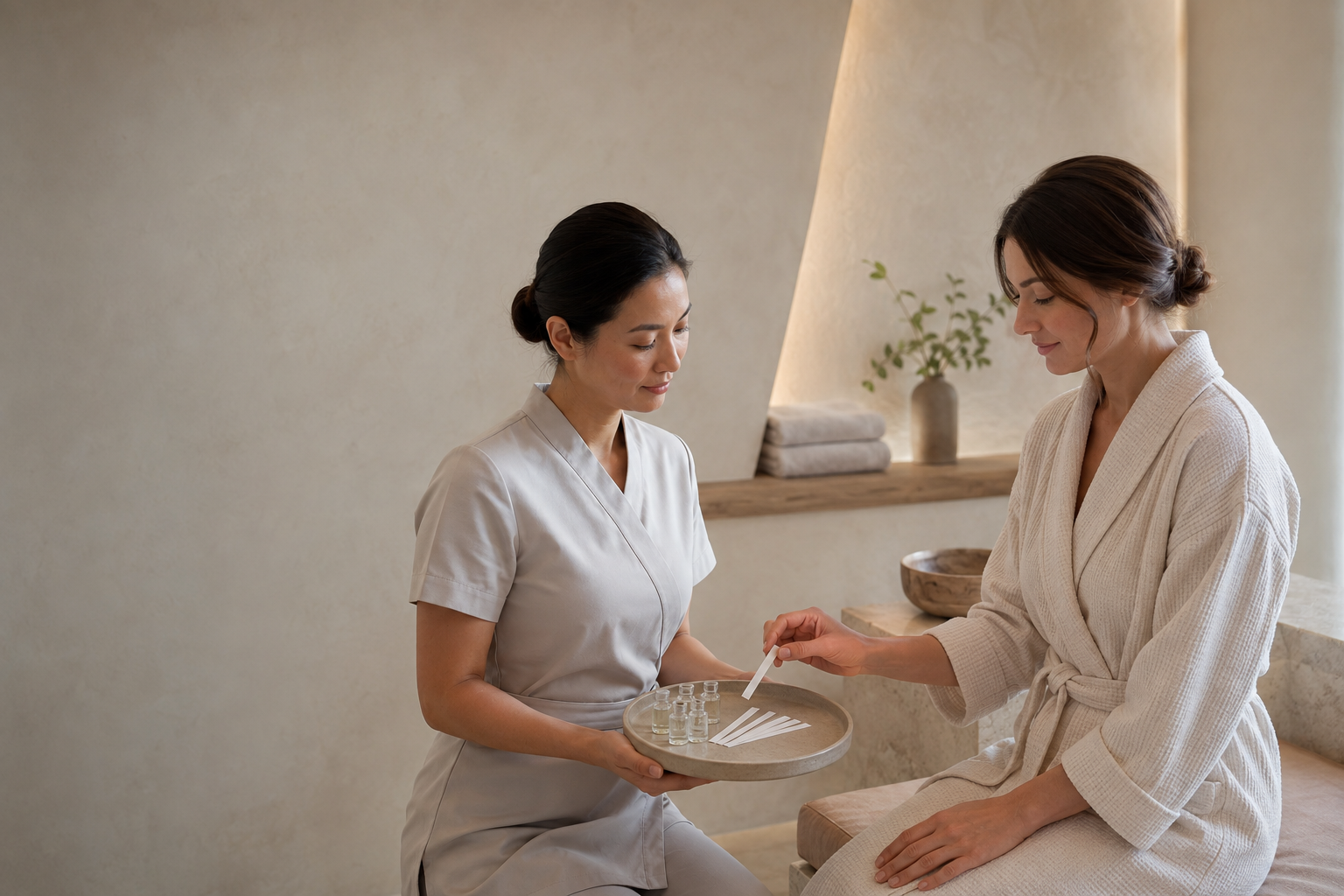
As Floral Street moves into hospitality, founder Michelle Feeney explains why fragrance deserves the same consideration as lighting, music and interiors, and why restraint is often the difference between a memorable scent and an overwhelming one.

Icy blonde and one-note brunette are losing their grip. According to Scullion & Scot’s award-winning colour team, the new season belongs to stone-washed blondes, smoke-veiled brunettes and copper with its brightness turned down.

London's private members' clubs once competed over wine lists, dining rooms and the right sort of address. One of the capital's newest luxury propositions arrives with a rather different inventory: Lagree machines, infrared mats, a Himalayan salt sauna, Japanese scalp rituals and a wellness programme that can be informed by genomic testing.
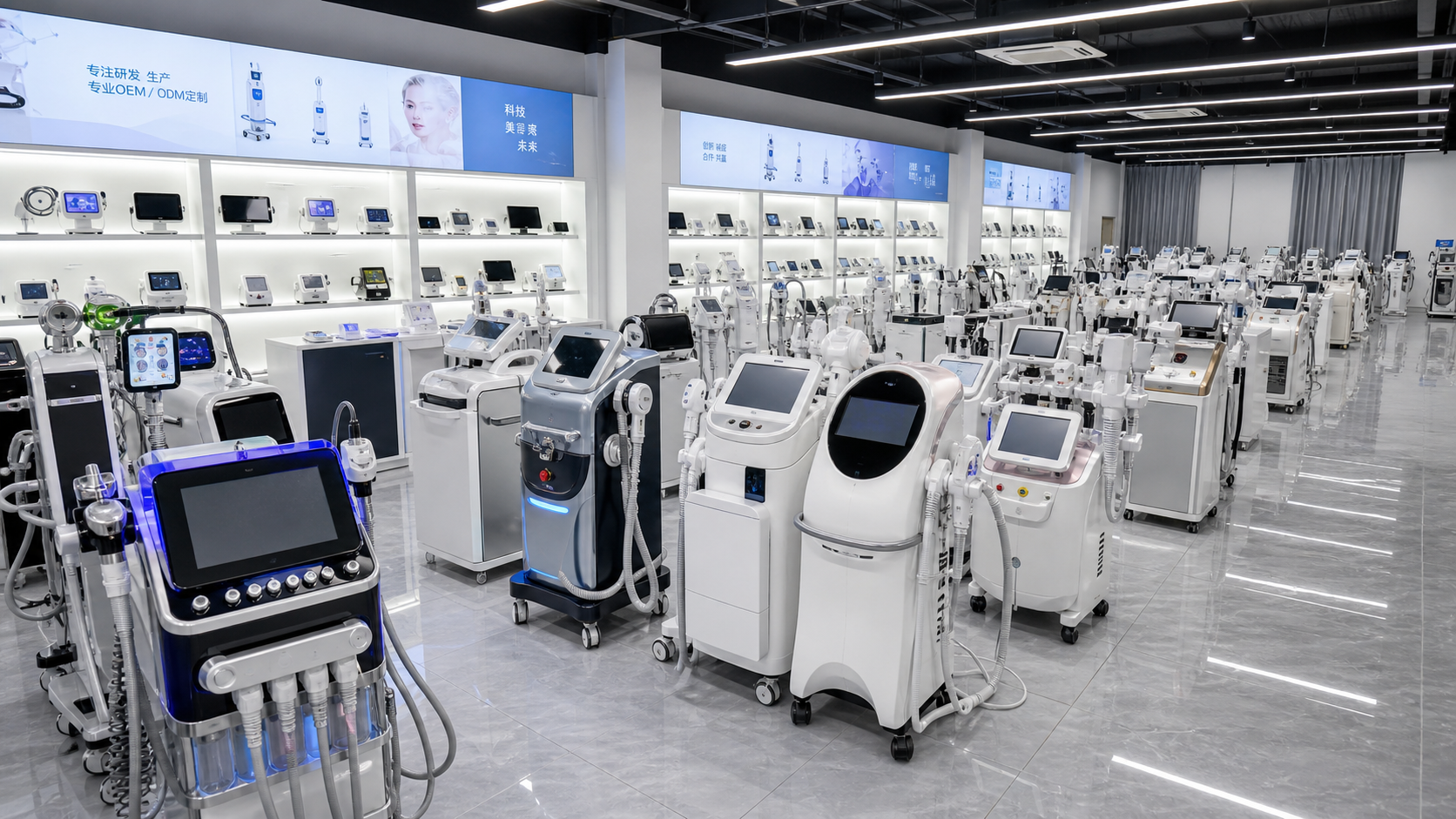
If you spend any time on the business side of TikTok, you'll have seen the videos. A creator wandering through a Guangzhou showroom, sweeping the camera across rows of laser machines, hydrafacial trolleys and cryolipolysis units. Prices flashed up that are a fifth, sometimes a tenth, of what you'd pay a UK distributor. It's good content but for any practitioner who acts on it, it is also some of the most expensive advice on the platform.
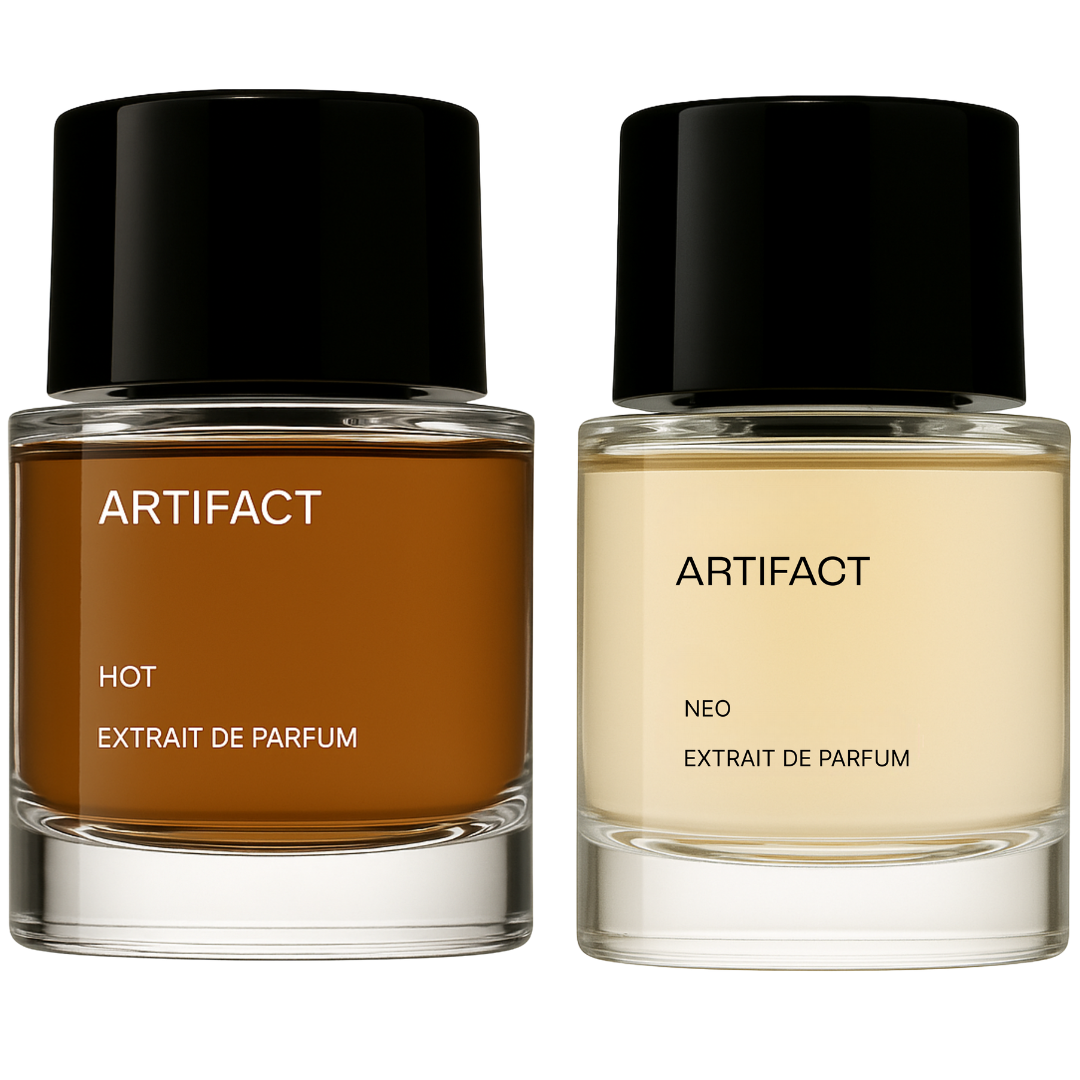
ARTIFACT has launched in the UK with Hot and Neo, two genderless extrait de parfum fragrances priced at £150 for 50ml. The new fragrance house made its debut in September 2026.
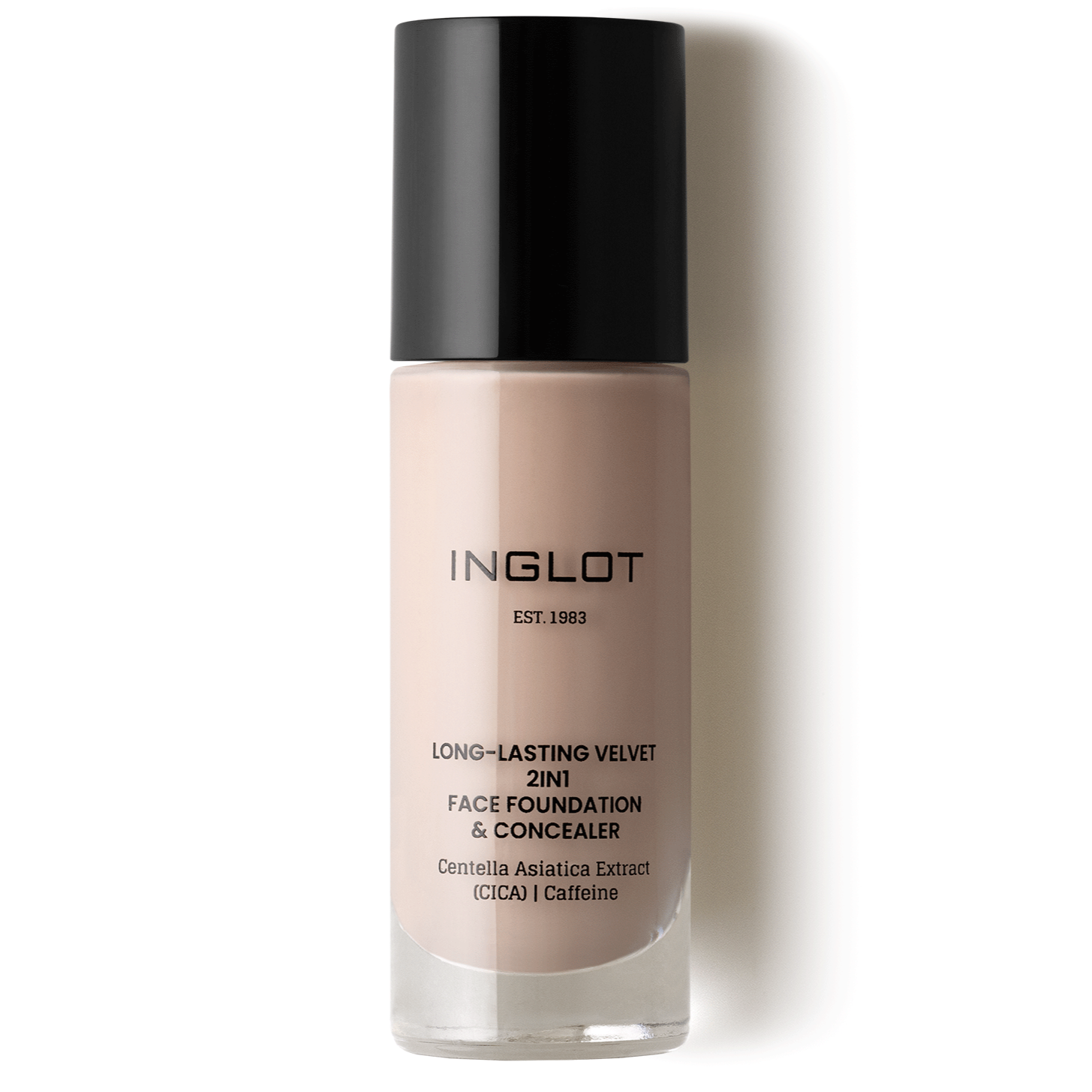
INGLOT has launched its Long-Lasting Velvet 2-in-1 Foundation & Concealer in the UK, introducing a 36-shade complexion range designed for both all-over coverage and targeted concealing.
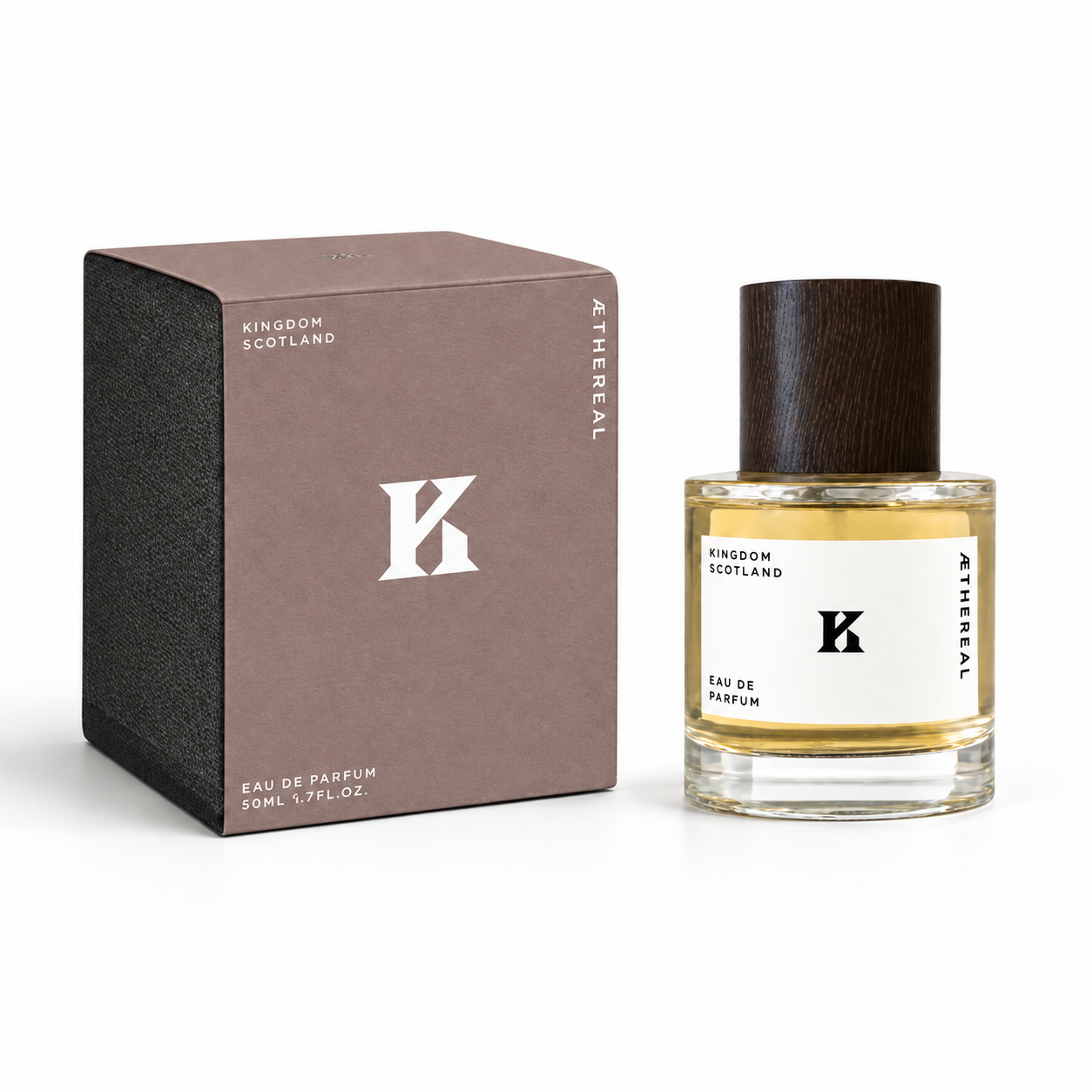
Kingdom Scotland has unveiled Æthereal, its fifth eau de parfum, ahead of a November 2026 launch. Inspired by a Scottish forest at dusk, the new scent joins Metamorphic, Portal, Albaura and Kingdom Botanica in the independent fragrance house’s collection.
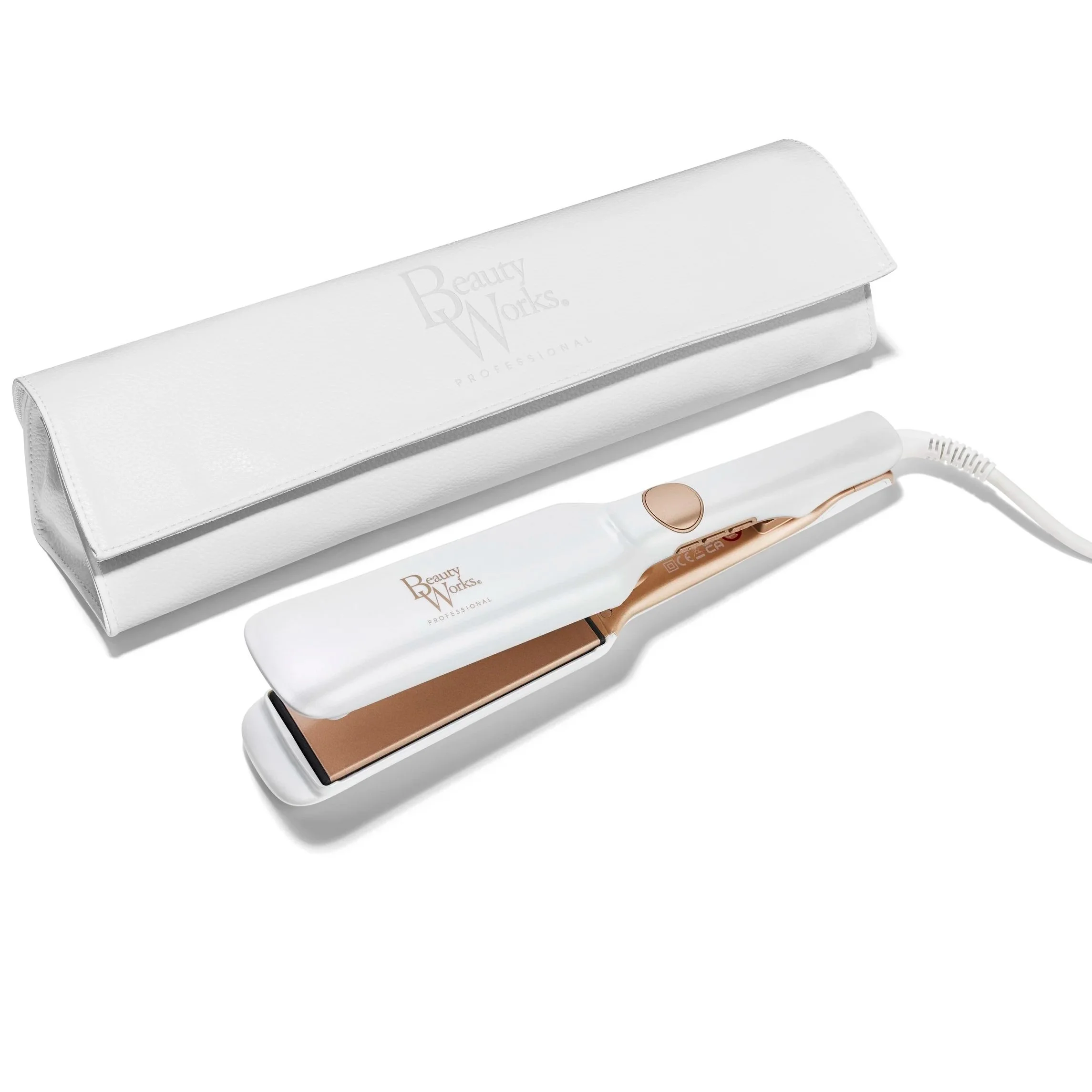
Beauty Works has introduced an upgraded Straightener and a new Wide Plate Straightener, both with a recommended retail price of £89, alongside the appointment of Olivia Attwood as its latest brand ambassador.
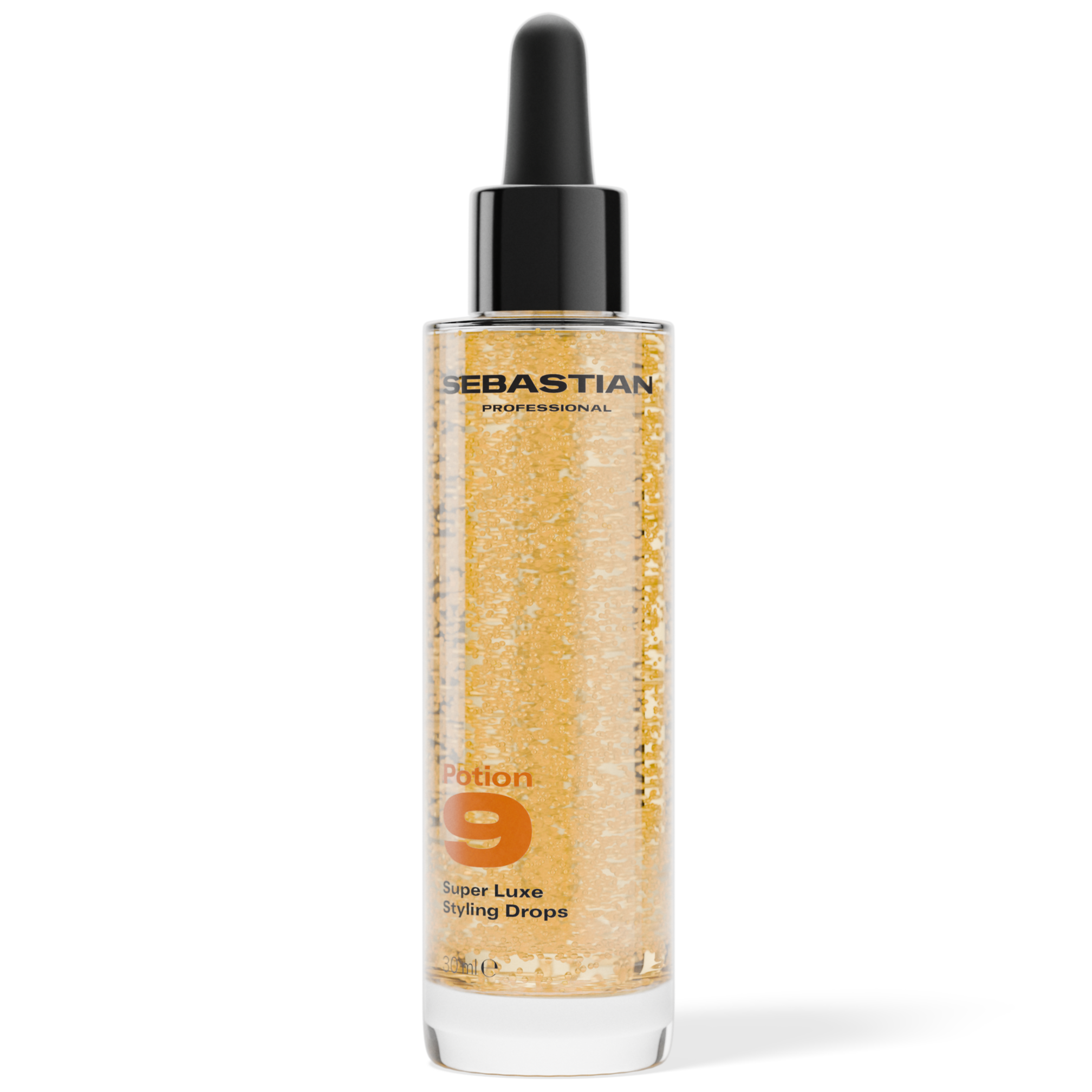
Sebastian Professional has added Potion 9 Super Luxe Styling Drops to its care-and-styling collection, combining conditioning, frizz control and heat protection in a lightweight leave-in serum.
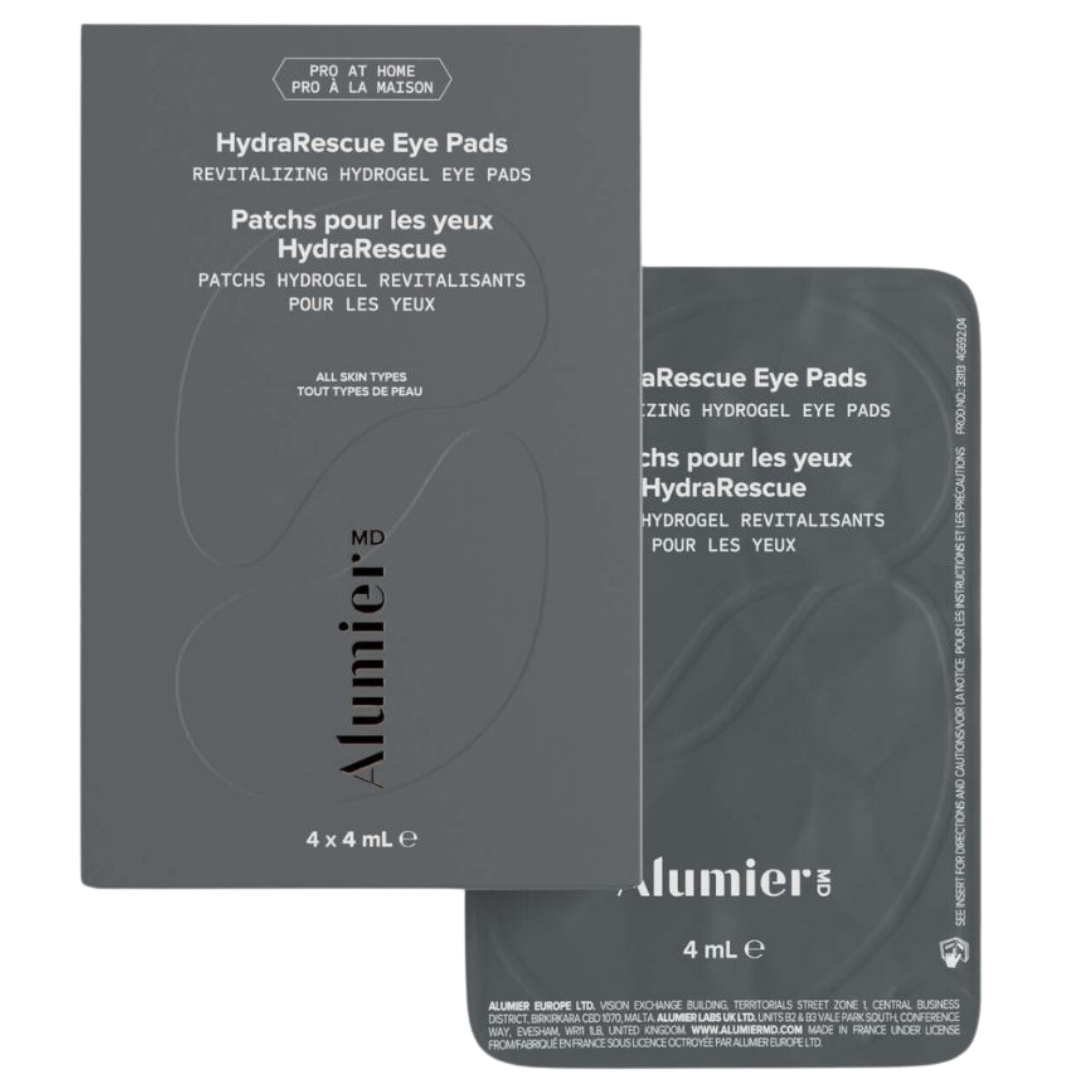
AlumierMD will launch HydraRescue Eye Pads on 20 October, expanding its biocellulose skincare range with a targeted treatment for dehydration, puffiness and visible fatigue around the eyes.
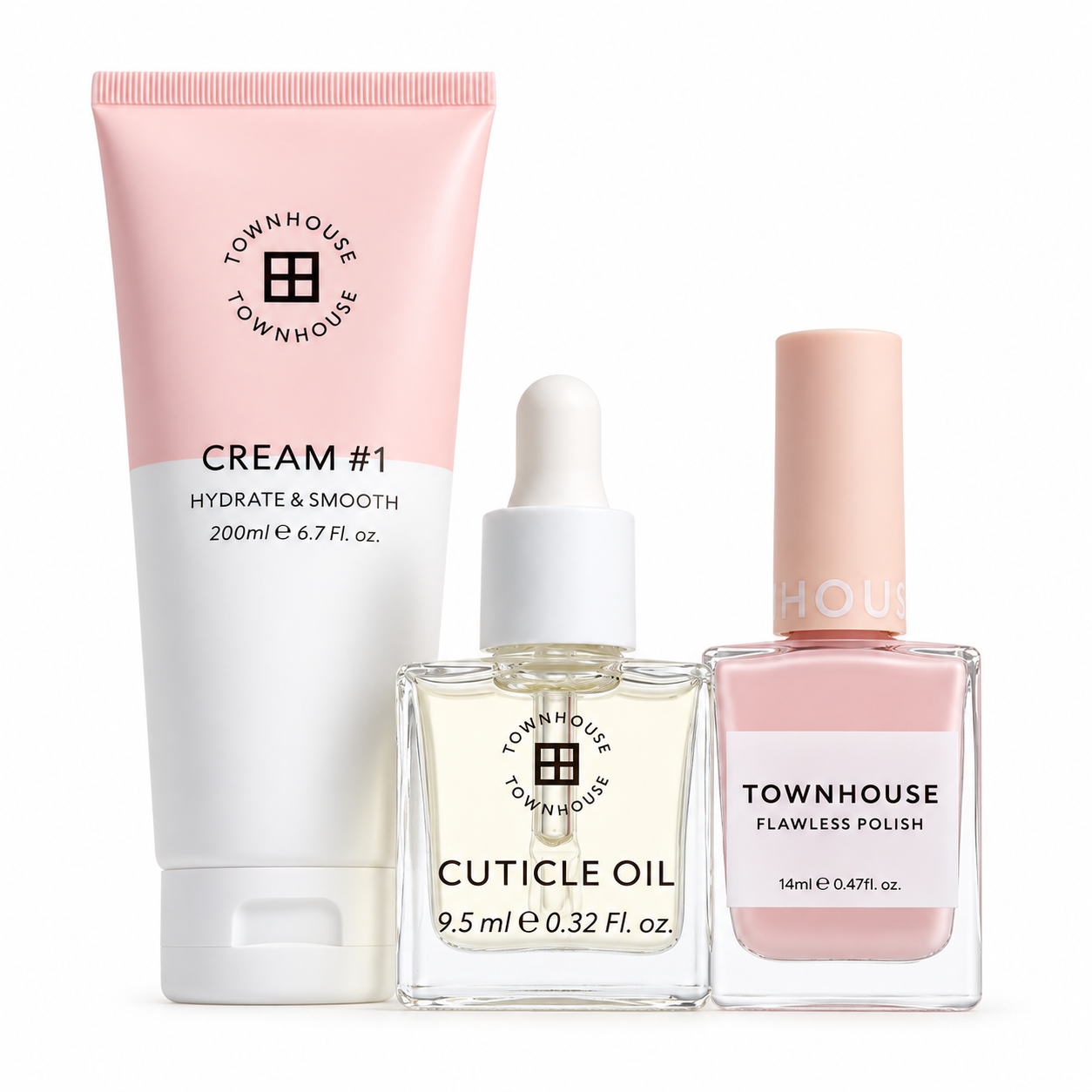
Townhouse has entered its first wholesale retail partnership, bringing its Flawless Polish collection and nail and handcare products to LOOKFANTASTIC online and in store.
Obagi Medical has expanded its CLENZIDERM M.D. range with Resurfacing Multi-Acid Peel Pads, an at-home exfoliating treatment developed for normal-to-oily and combination skin. The new formula combines 4% glycolic acid, 3% phytic acid, 2% salicylic acid and 1% mandelic acid. It is designed to address uneven texture, blemishes, dullness and the appearance of post-blemish marks, bringing four acids together in a single treatment step.
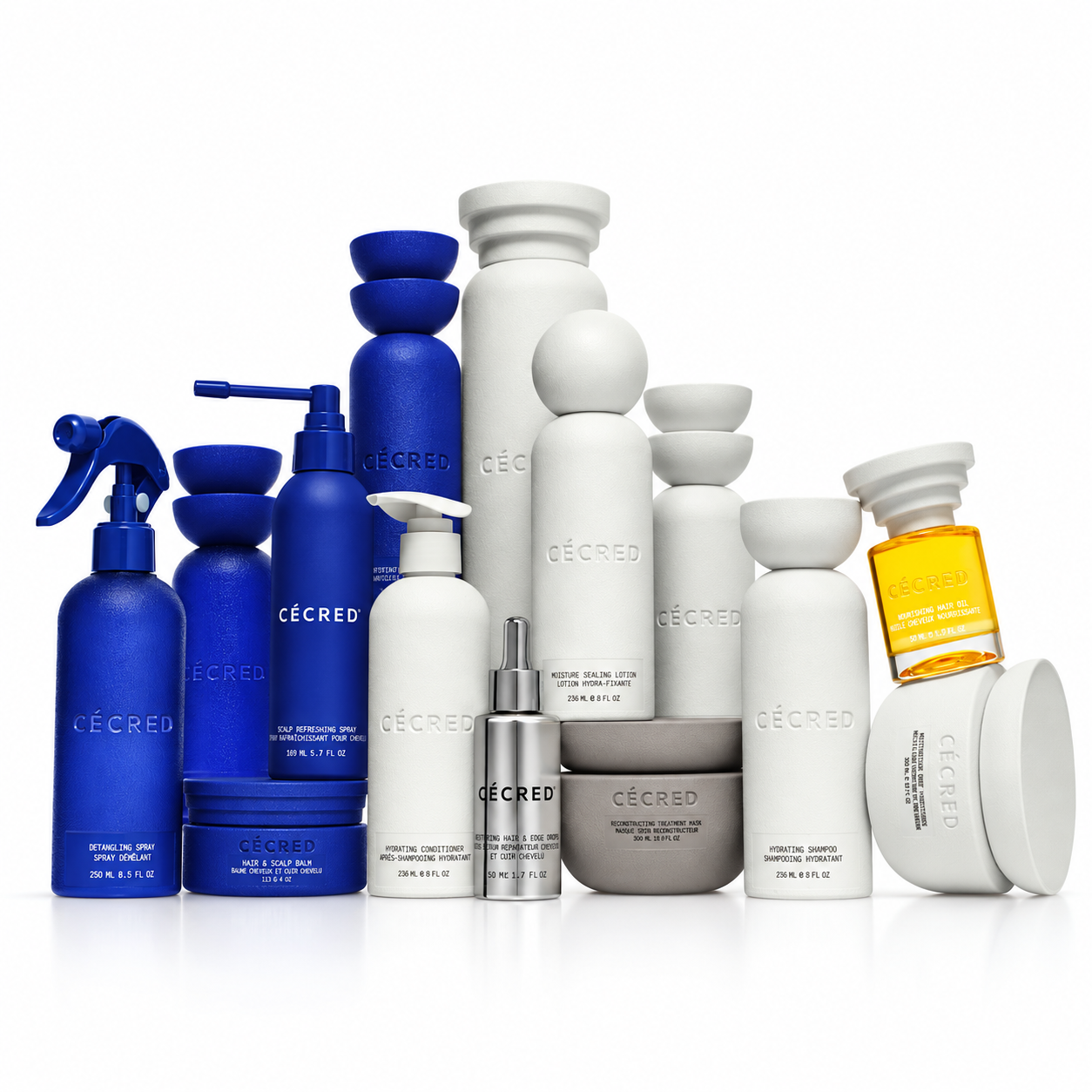
Beyoncé Knowles-Carter’s haircare brand Cécred has launched in 90 Space NK stores across the UK and Ireland, marking its first international retail partnership. The exclusive partnership began on 22 September 2026, with the range also available through Space NK’s website. It follows Cécred’s US retail debut at Ulta Beauty in April 2025.
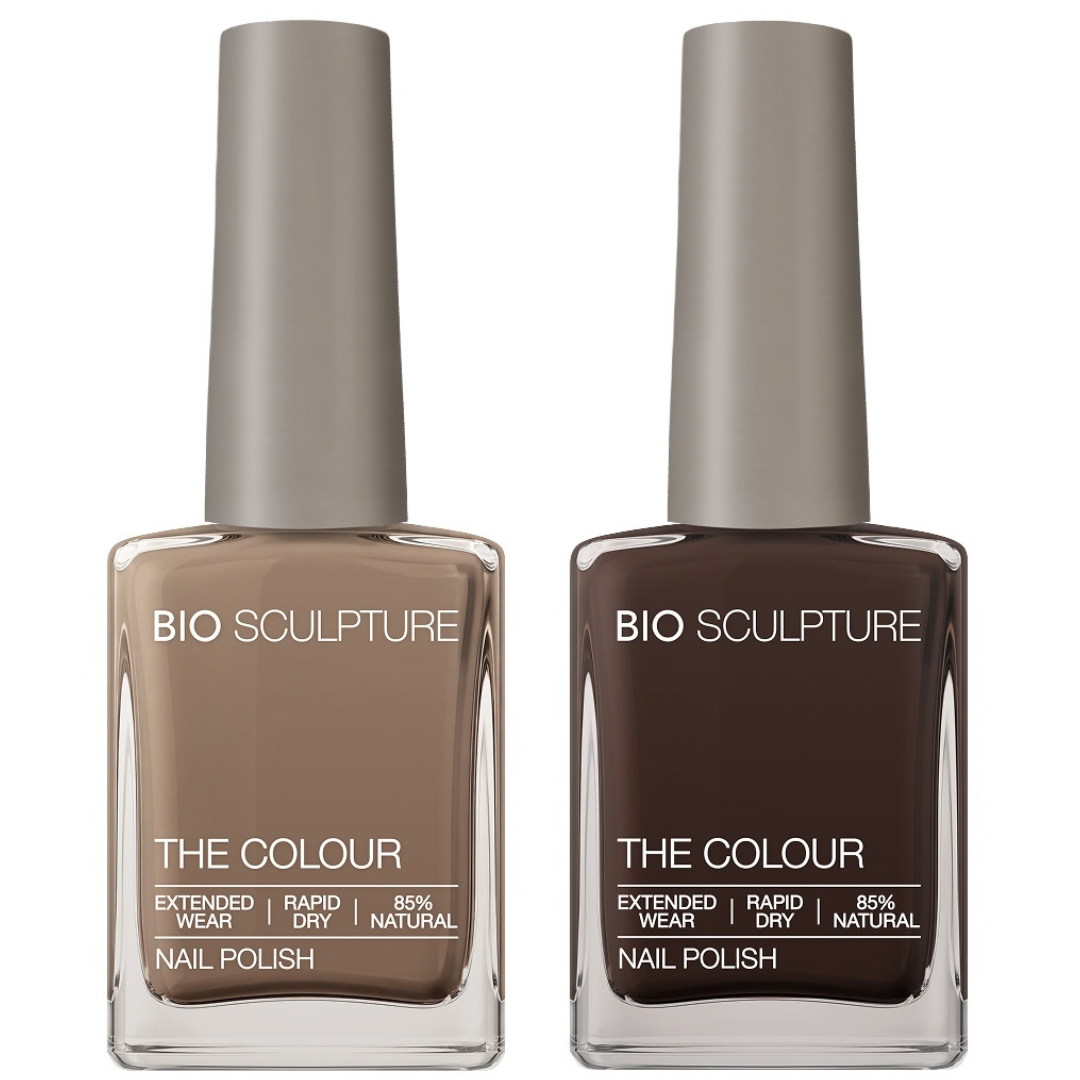
Bio Sculpture is relaunching its nail polish collection with reformulated products, new packaging and more than 60 shades, as the professional nail brand develops its at-home offering. The October launch brings together a base coat, colour polishes and three finishing options. The shade range is expected to grow to 90 by the end of 2026, with selected colours matched to existing Bio Sculpture gels.
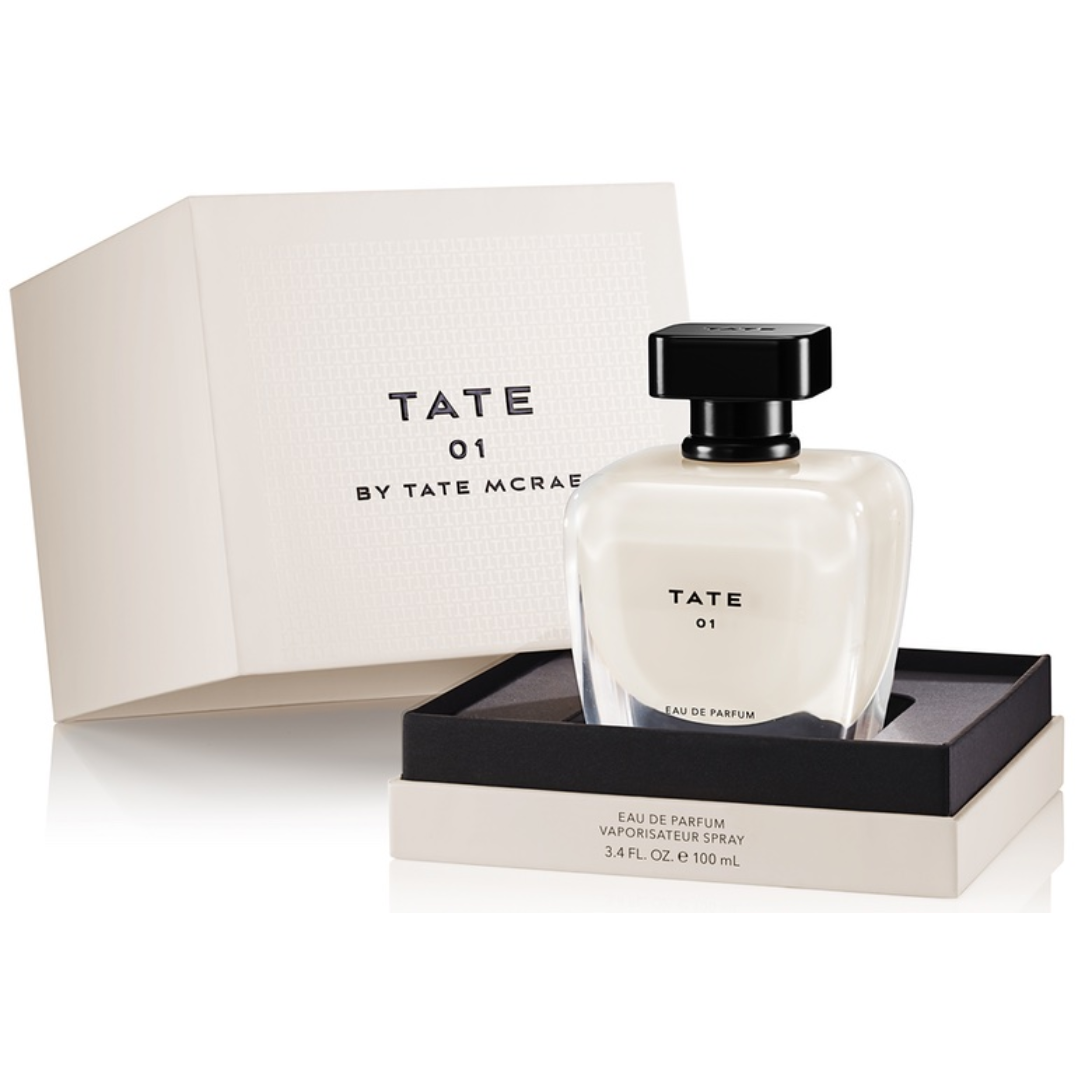
Tate McRae has launched her first fragrance, Tate 01, in partnership with Scent Beauty, with Glorious Brands appointed exclusive UK distributor ahead of an October debut.
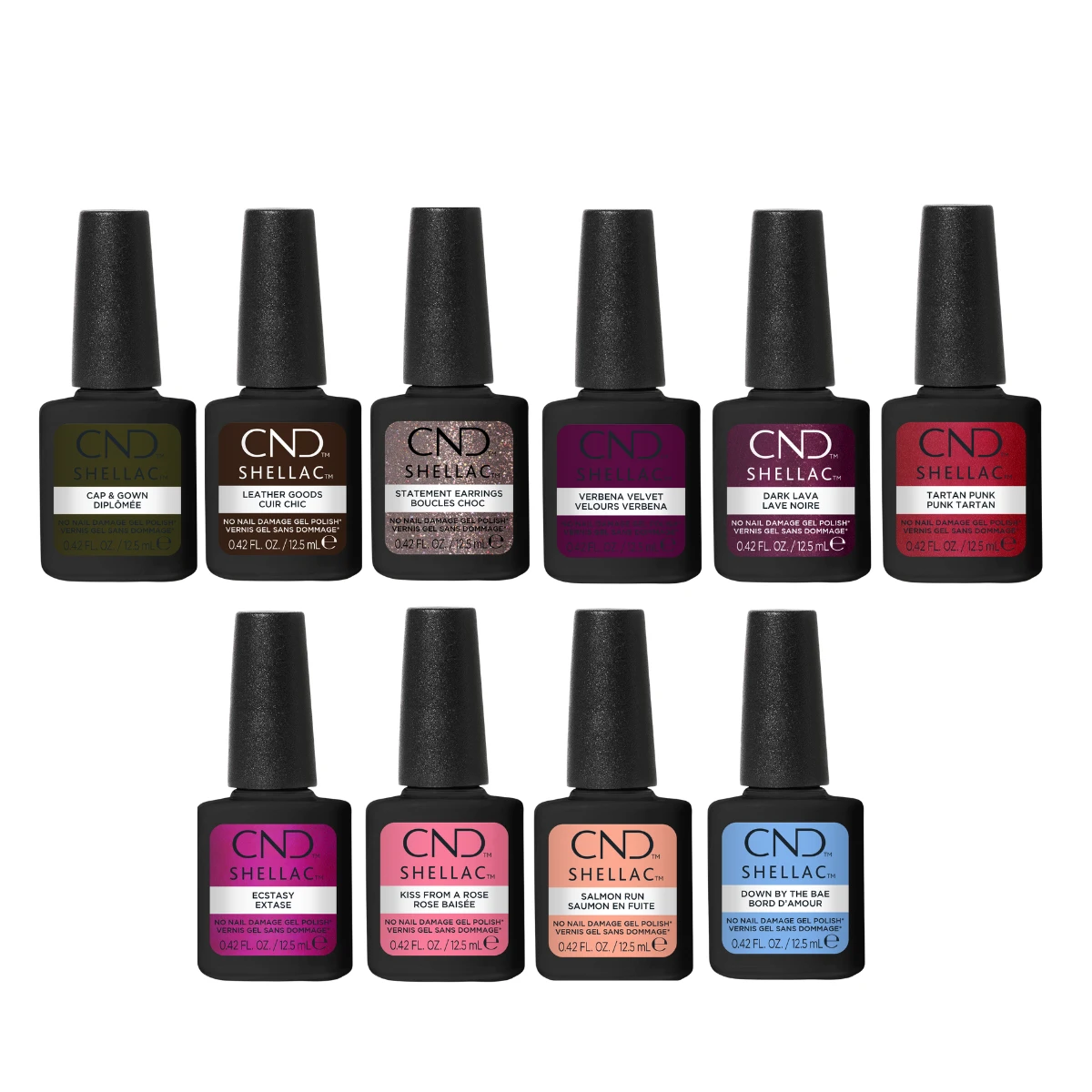
CND has introduced Colour Callback, a collection bringing back 10 Shellac shades in response to requests from nail professionals and clients. The returning colours span soft pinks, earthy neutrals and deeper jewel tones.
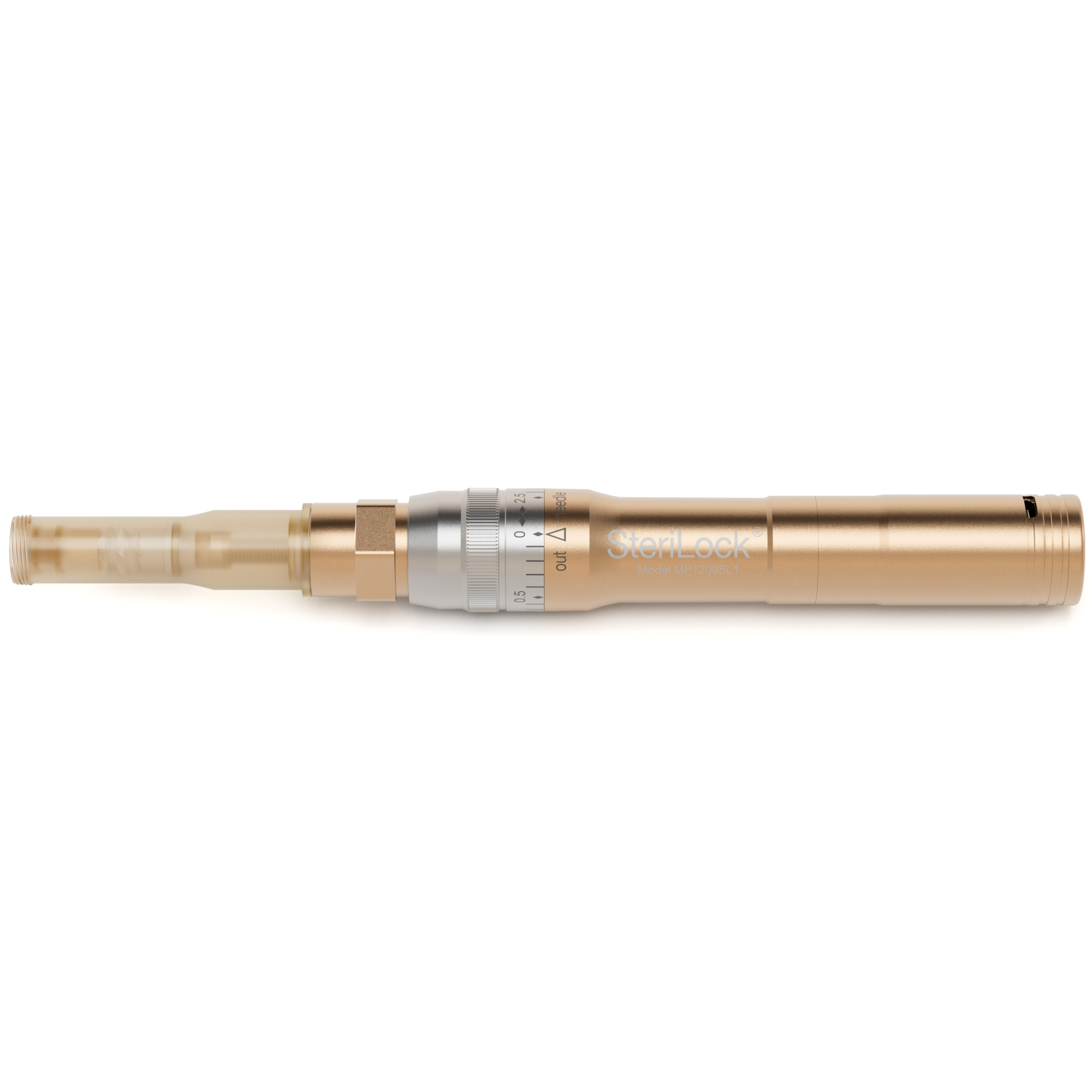
SkinHealth Systems, the company behind Hydrafacial, has launched the SkinStylus SteriLock MicroSystem in the UK, combining microneedling and nano-needling in a single device for professional cosmetic use.
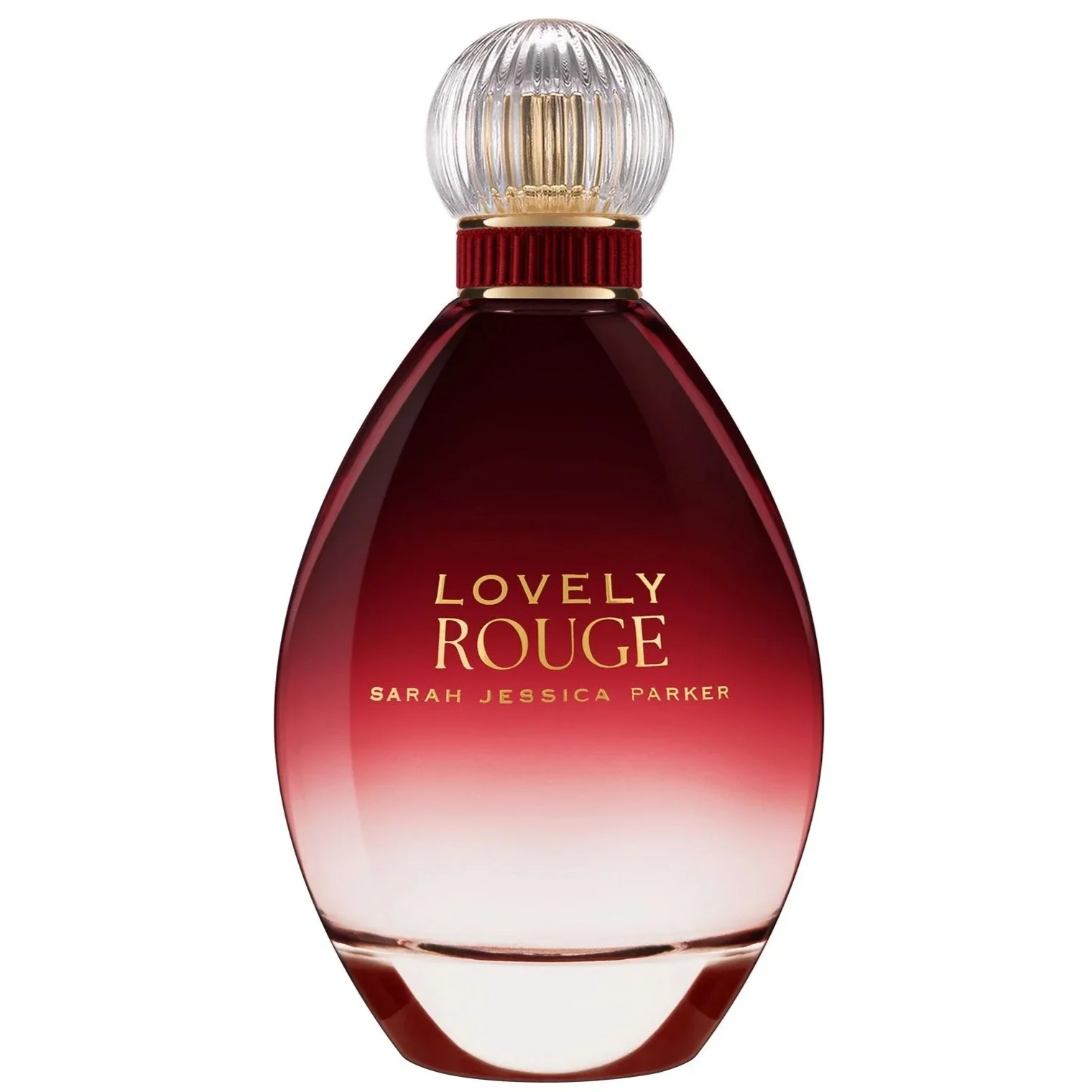
Sarah Jessica Parker has expanded her Lovely fragrance collection with Lovely Rouge Eau de Parfum, a spicy floral composition built around pink pepper, praline and cedarwood. The autumn launch brings a warmer, more sensual character to the range while retaining the softness of the Lovely signature.
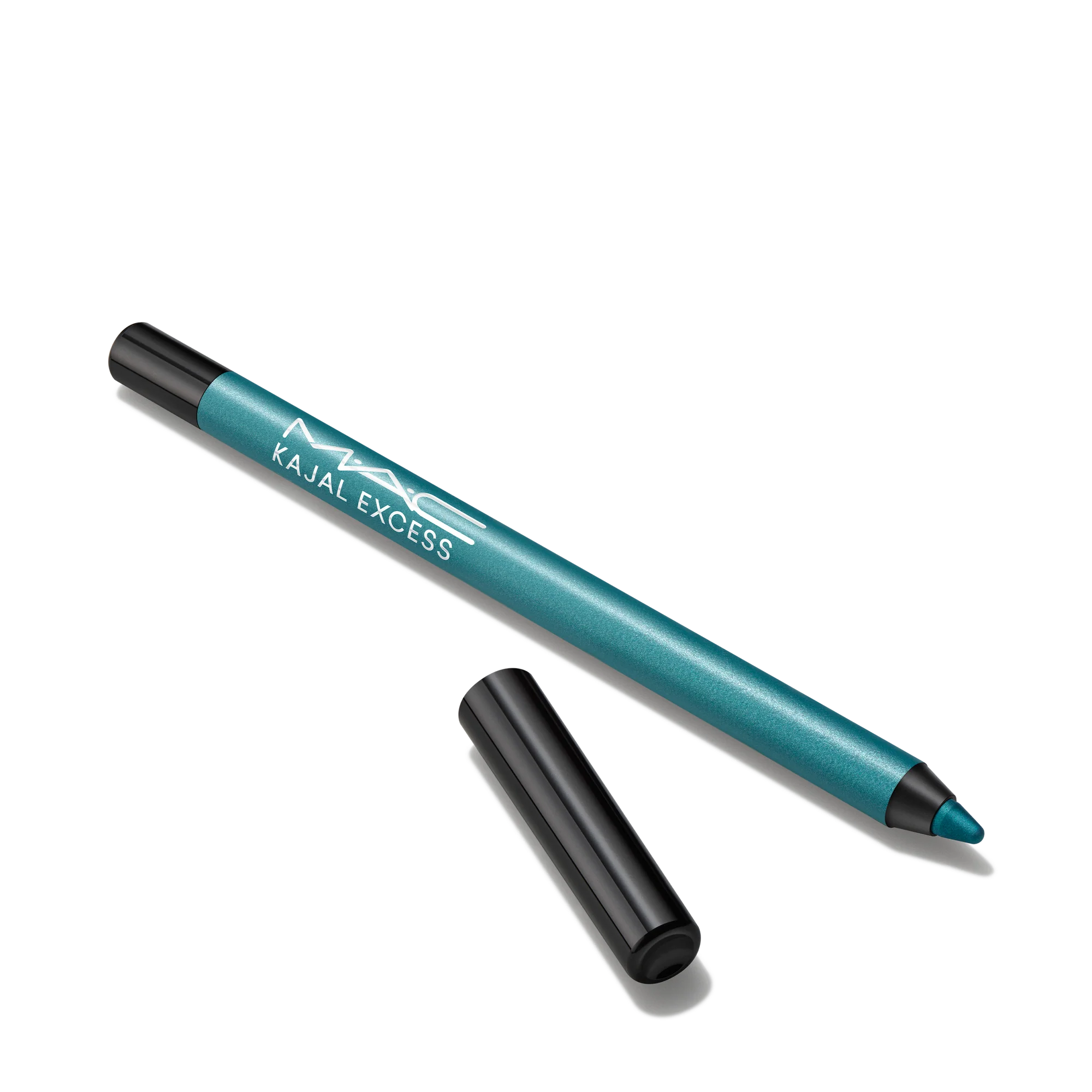
M.A.C has introduced Kajal Excess Longwear Smoky Eye Liner, a new eye pencil for precise lines, tightlining and diffused smoky looks. Available in 16 matte and metallic shades, it delivers 24-hour wear on the lids and 12-hour wear on the waterline.
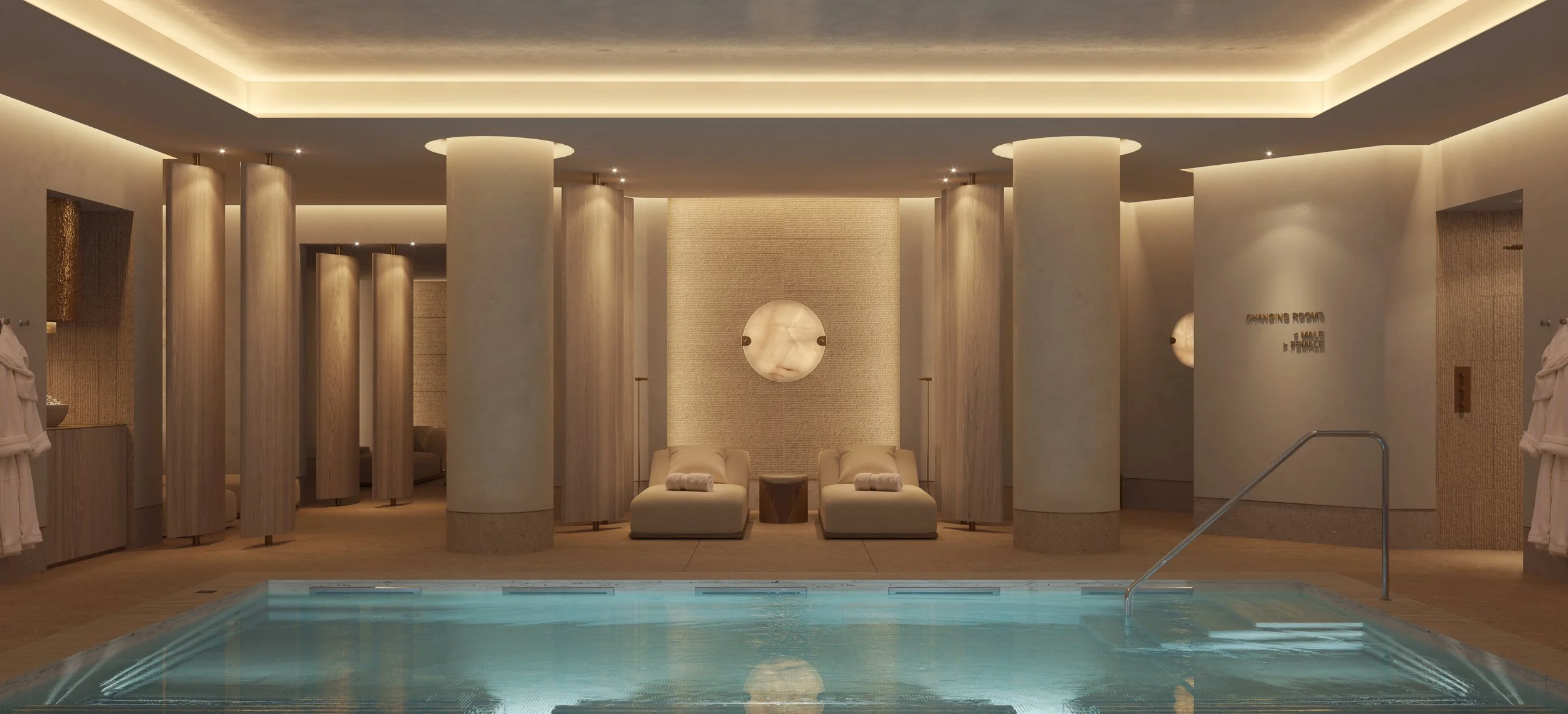
Waldorf Astoria London Admiralty Arch has unveiled its spa and wellness offering ahead of its planned autumn 2026 opening, with OSKIA appointed as the hotel and residences’ exclusive skincare and treatment partner.
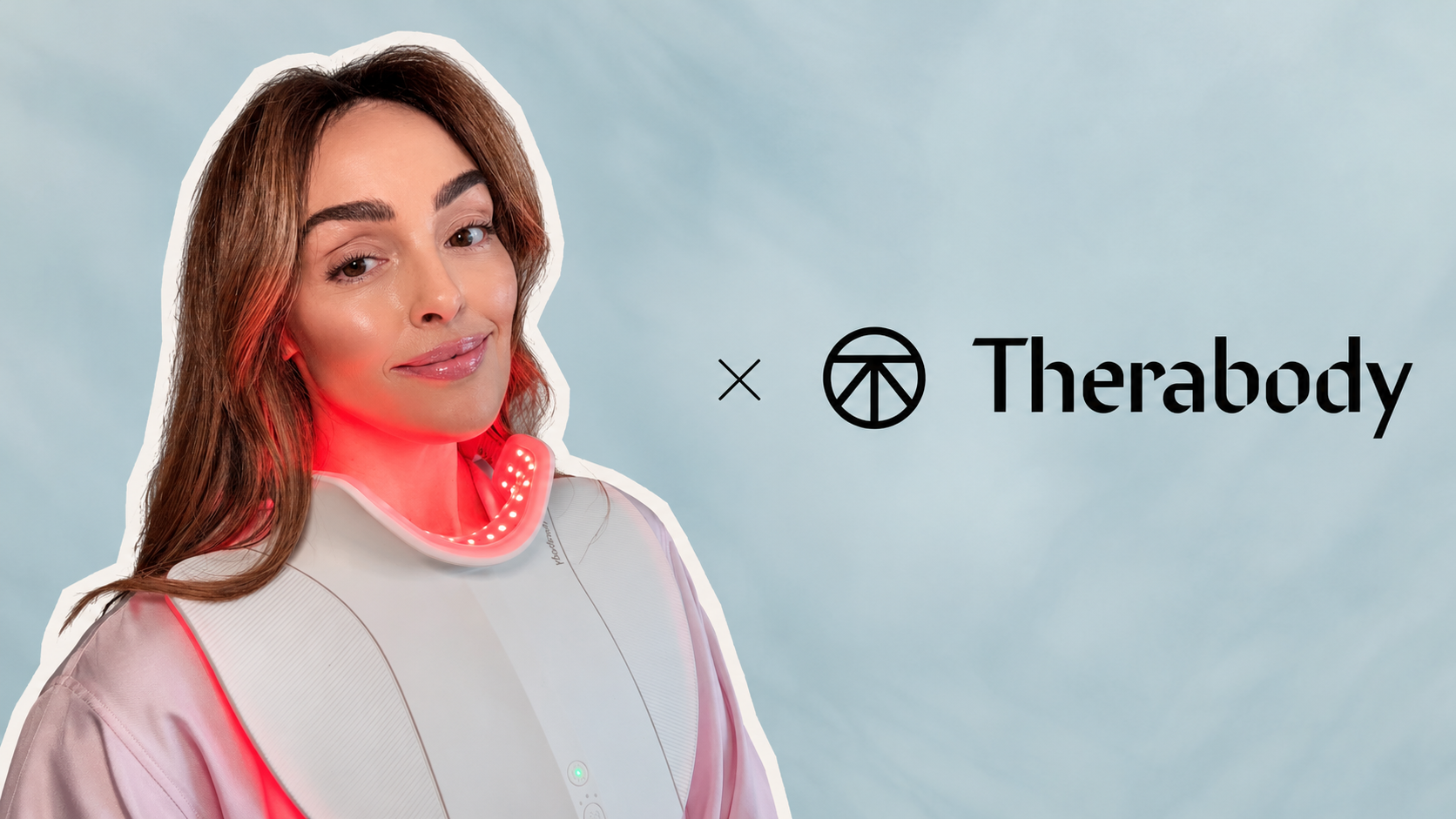
Therabody has appointed beauty journalist Alessandra Steinherr as its first UK beauty ambassador in a 12-month partnership, alongside the launch of four new beauty and wellness devices. The partnership will focus on product testing and education, with Steinherr examining the technology and research behind Therabody’s range and explaining how the devices fit into at-home routines. She has already shared her initial experience of the new Neck & Chest LED device with her Instagram audience.

Twiqk is exploring the clinical, psychological and social questions surrounding aesthetic medicine through TwiqkTalk, a video discussion series bringing together specialists from aesthetics, medicine, health and wellbeing. The series looks beyond individual treatments and techniques to consider the issues influencing patient care. Previous episodes have covered patient safety, psychology in aesthetics, women’s health, and longevity and healthy ageing.
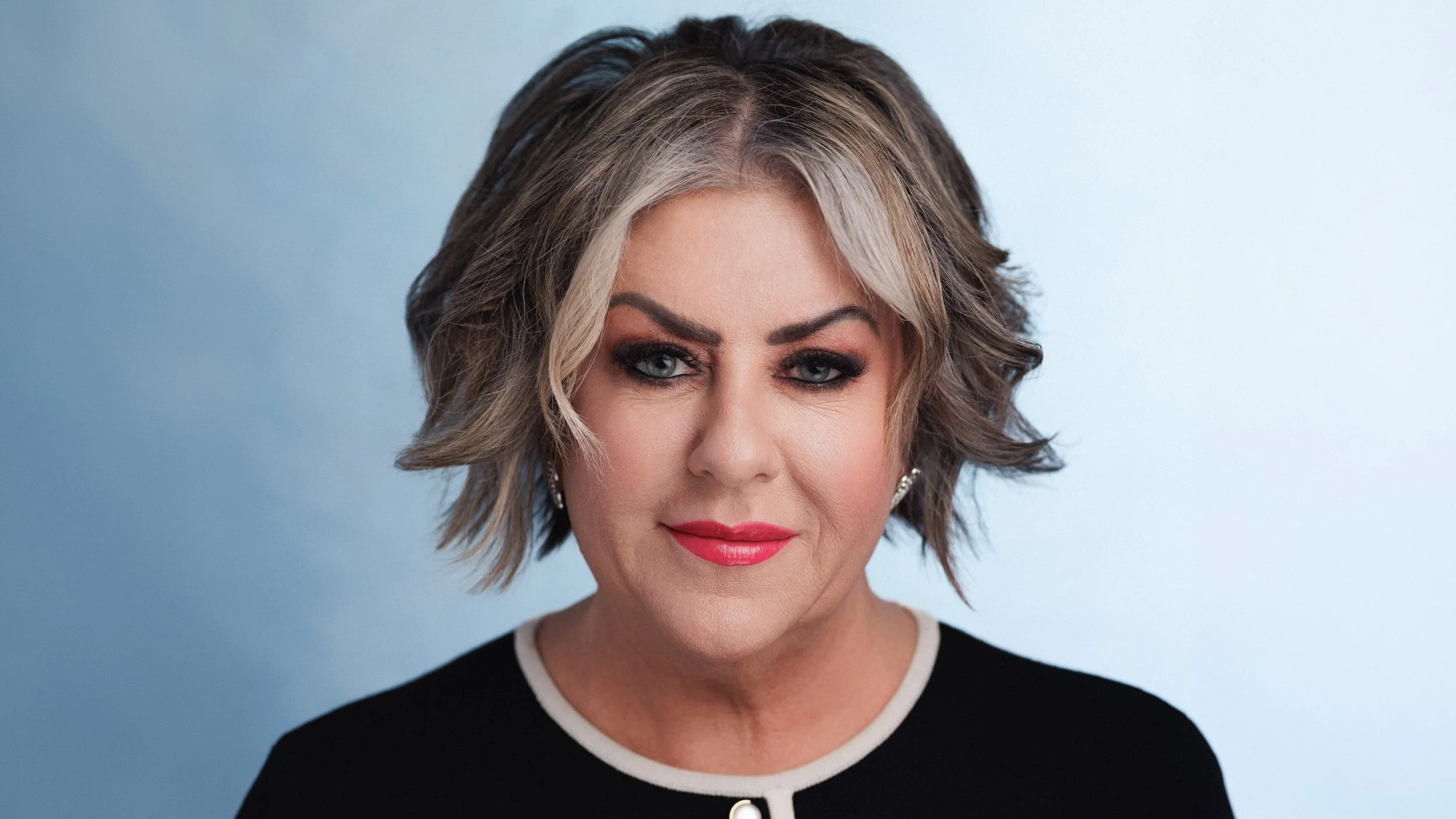
Hydrafacial UK has promoted Justine Stephens-Parker to Senior Head of Sales for the UK and Ireland, with a remit to support the company’s continued expansion across both markets.
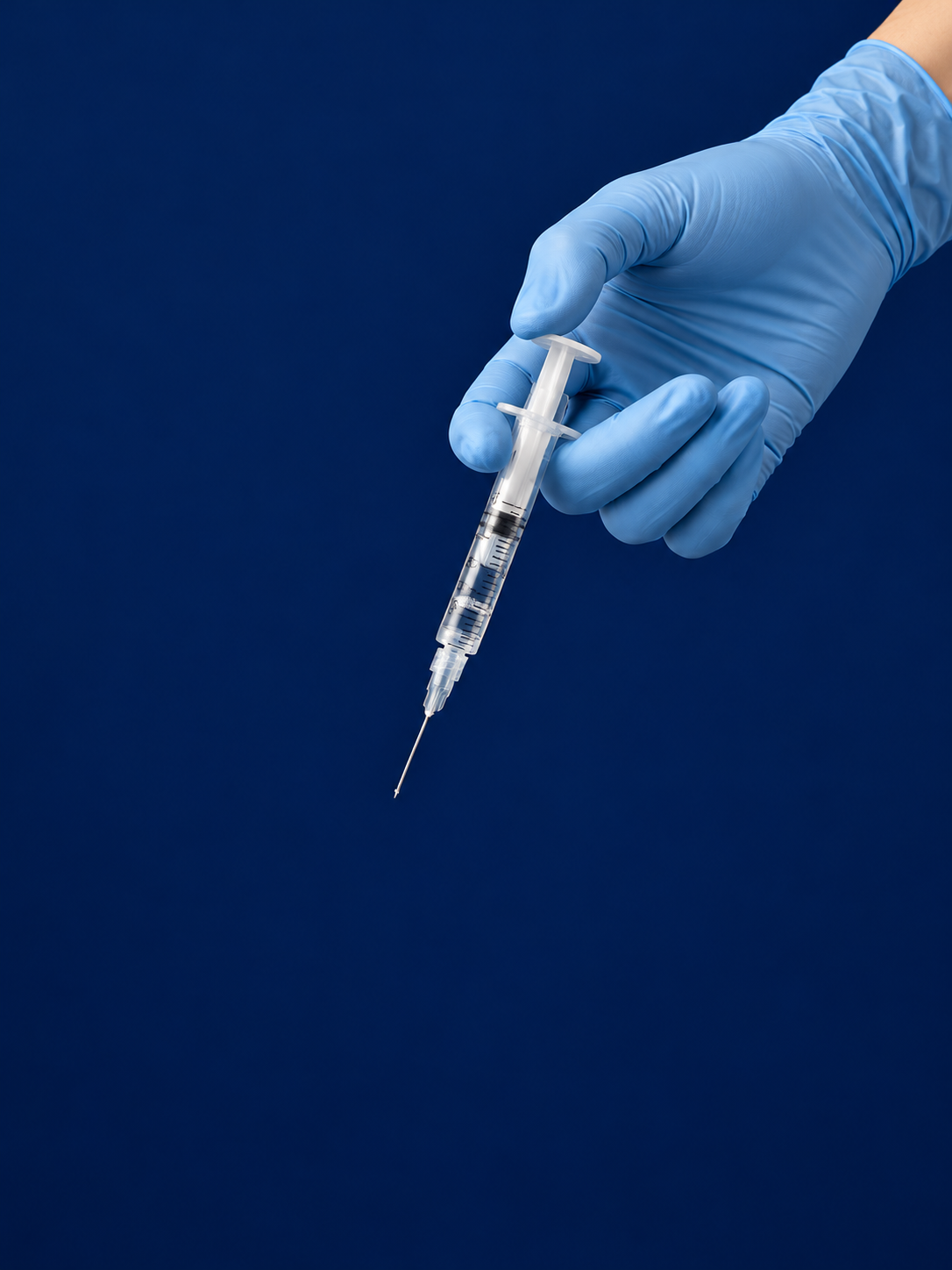
High-risk cosmetic treatments including liquid Brazilian butt lifts, deep chemical peels and so-called vampire facials would be restricted to specified healthcare professionals under government proposals announced on 21 October.
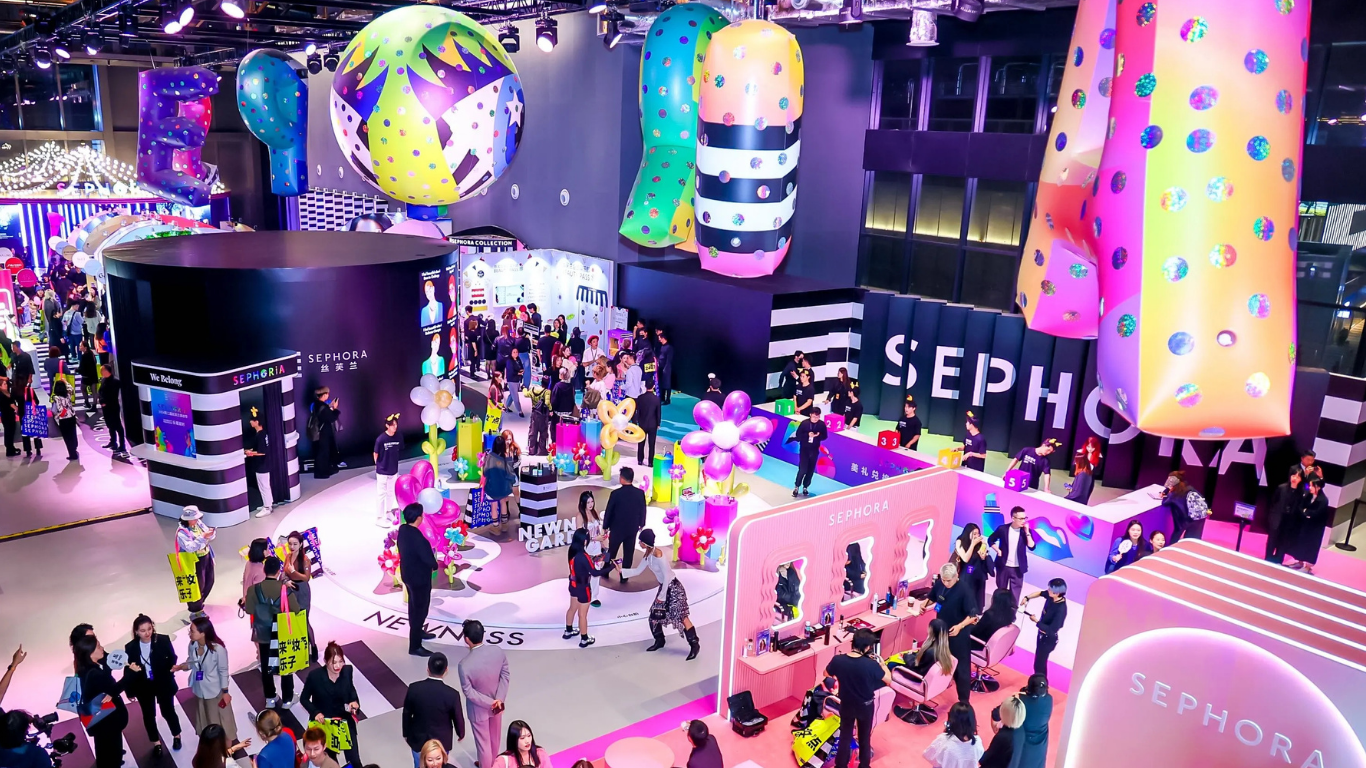
Sephora’s first UK SEPHORiA event has launched at London’s 180 Studios, bringing together more than 40 beauty brands for two days of product discovery, founder-led workshops and interactive experiences.
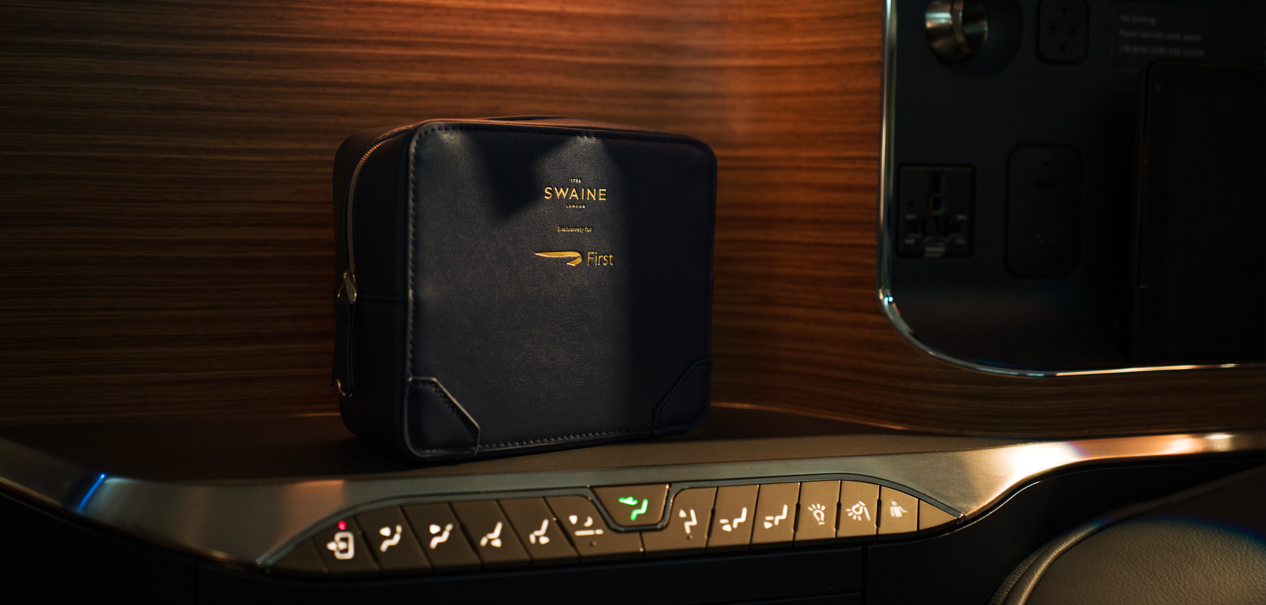
British skincare brand Wildsmith has partnered with British Airways to introduce a six-piece Circadian Rhythm Collection in the airline’s First cabin, alongside a wider rollout of lounge amenities and an in-flight audio experience.

Kama Ayurveda has announced its first wellness studio partnership, joining Blanc Space Studios for a three-month collaboration across its Fulham and Notting Hill locations in London. Launching on 24 October, the partnership will follow Kama Ayurveda’s spa collaborations with Fairmont The Mere and Fairmont Windsor Park, extending its presence into studios offering Pilates, yoga and other movement classes.
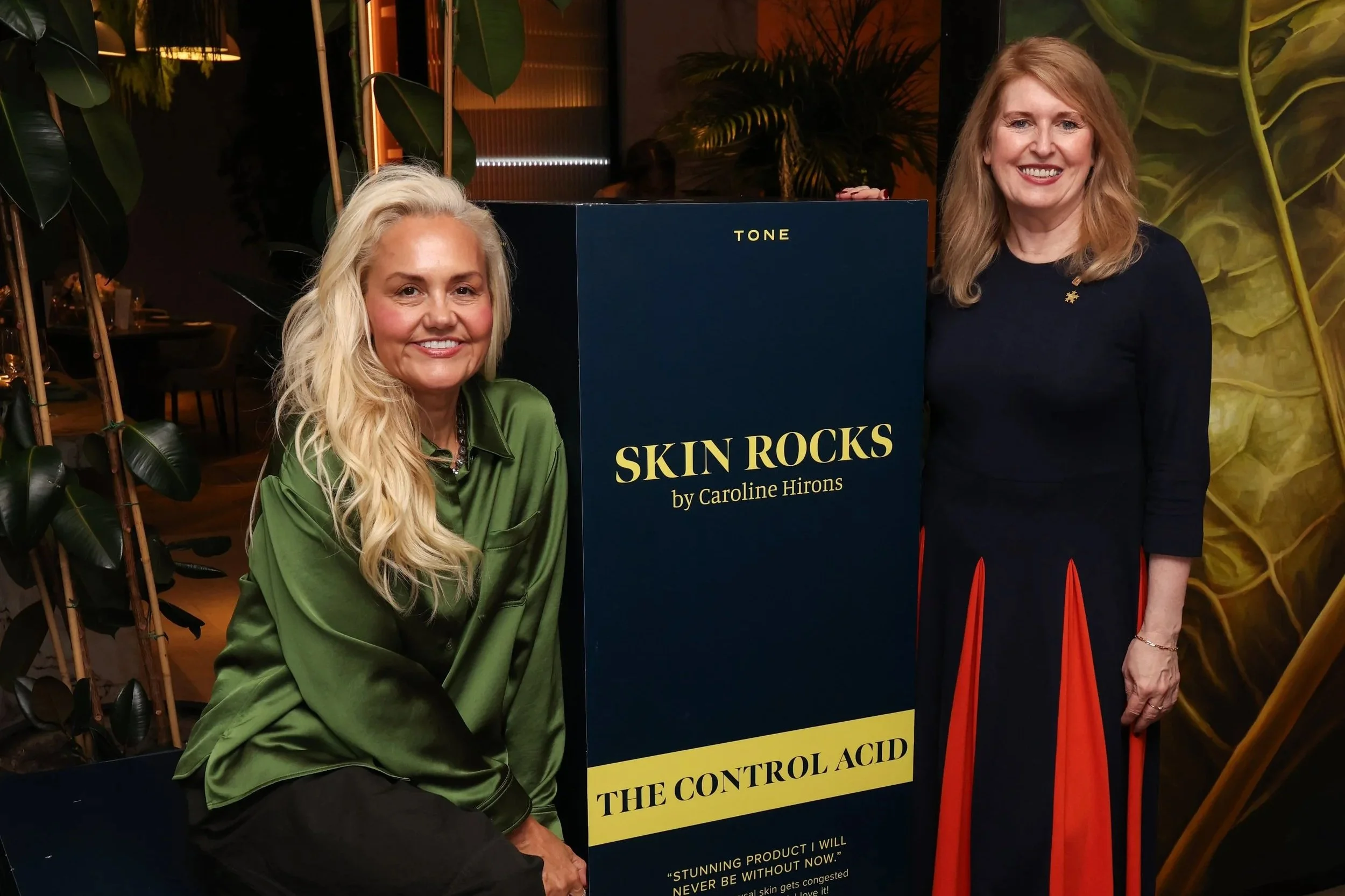
Pan Pacific London has partnered with Skin Rocks by Caroline Hirons, becoming the first London hotel to offer the British skincare brand’s professional treatments. Announced on 14 October, the ongoing partnership brings an exclusive facial to the hotel’s SENSORY Spa & Wellbeing, alongside retail from 15 October and plans for founder-led events and in-room skincare rituals.
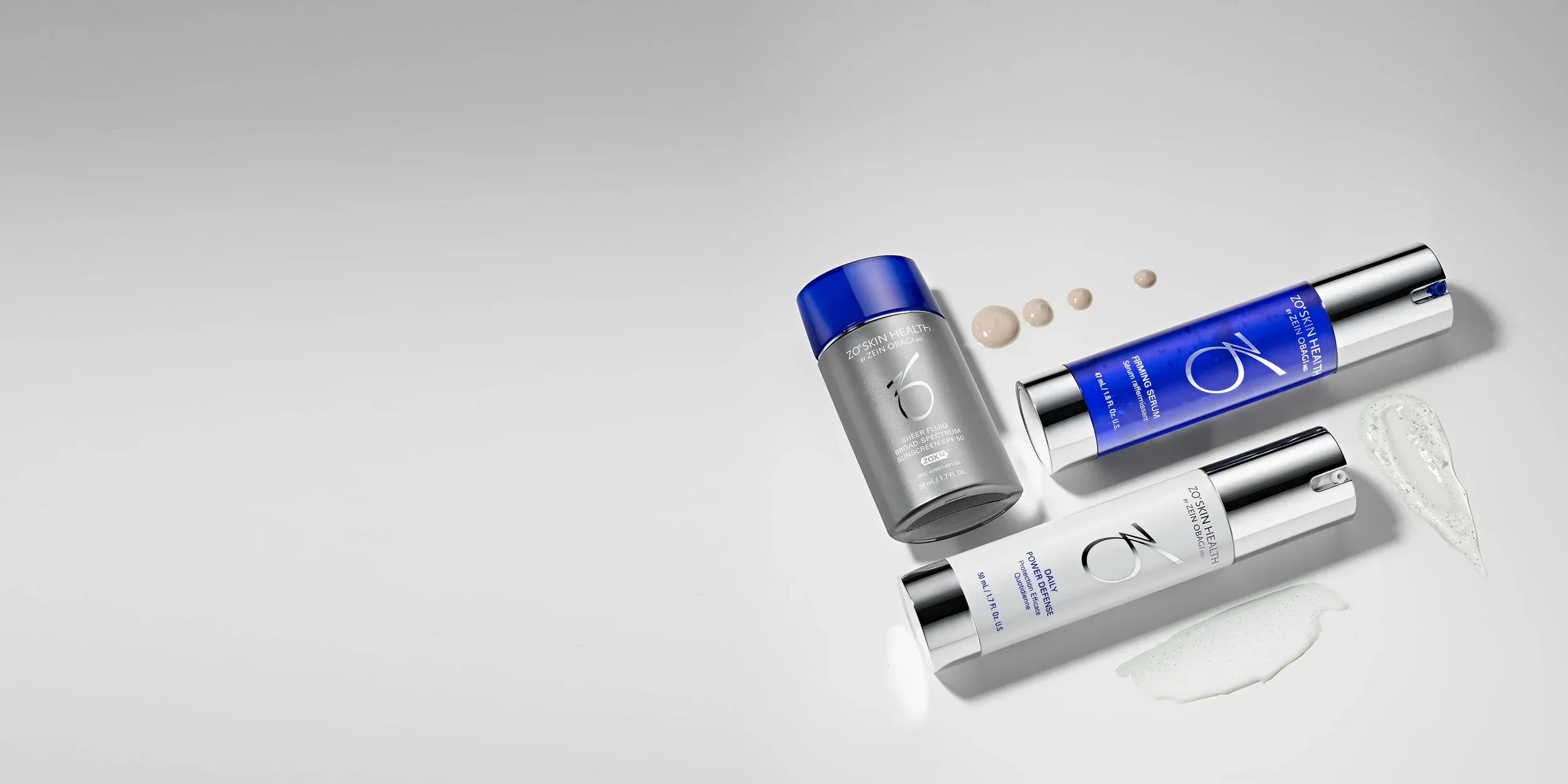
Galderma has agreed to acquire professional skincare brand ZO Skin Health for $1.5 billion, in a deal that highlights the growing importance of clinically backed, practitioner-dispensed skincare within the global beauty and aesthetics industry.
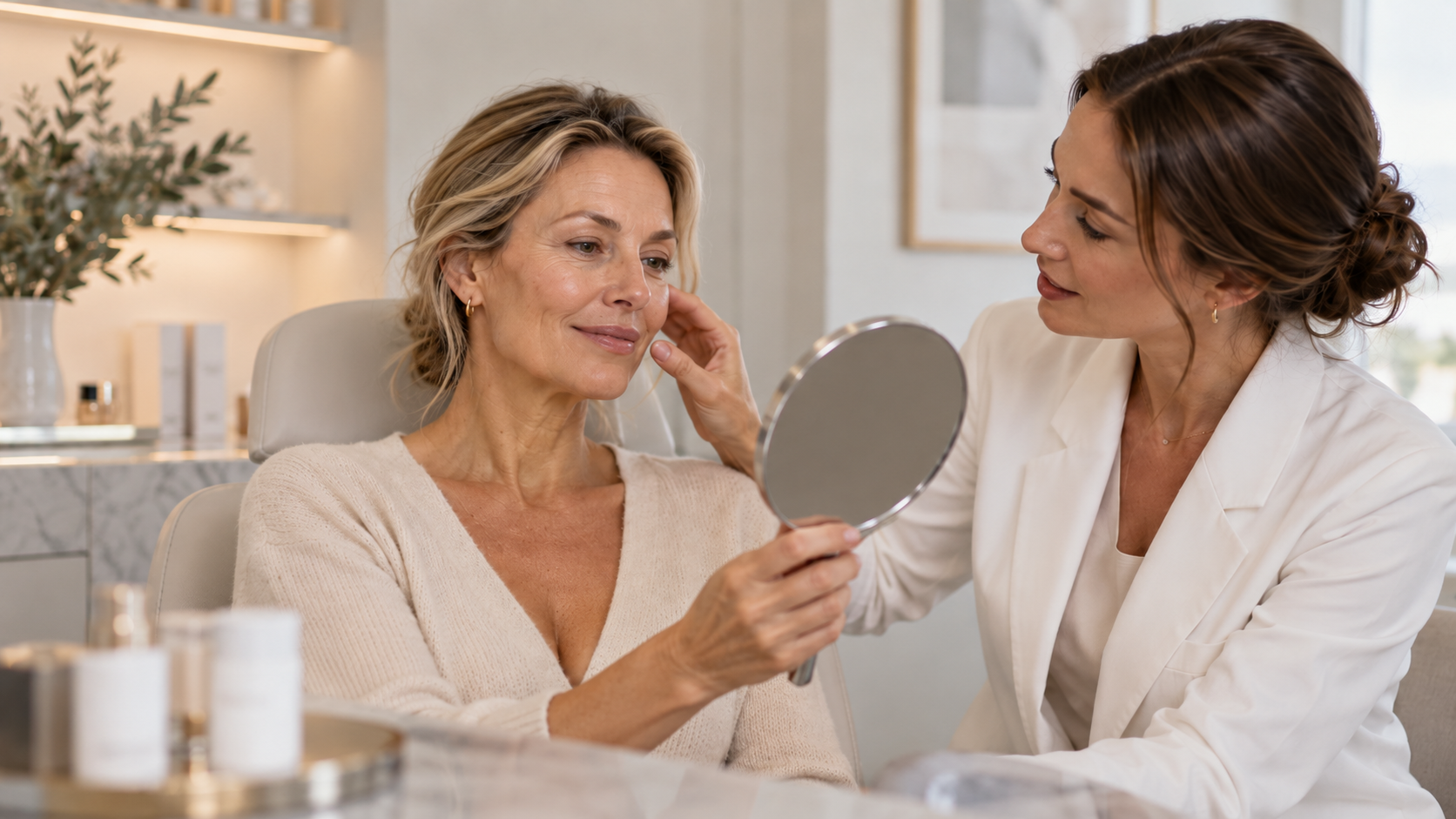
As research exposes widespread confusion surrounding menopause-related skin changes, the beauty and aesthetics industry faces questions about how it assesses and treats clients in midlife. With insights from aesthetic medicine specialist Dr Priya Chadha, Founder and Director of Amer Clinic and Galderma global KOL, we examine whether traditional consultation protocols are sufficiently equipped to recognise the effects of hormonal change.

There is a particular indignity in leaving the salon with a smooth, glossy blow-dry, only to feel the roots around your temples turn damp before lunch - something that has been unavoidable with the recent heatwaves, but can catch you out even without high temperatures. For women prone to scalp sweating, a hot commute, an exercise class or a menopausal flush can undo an hour’s styling in minutes.

Collagen has become the beauty industry's shorthand for youthful skin. But as clinics and clients chase firmness and volume, a type of structural protein is getting far less attention than it warrants: elastin. For years the skin longevity conversation has belonged to collagen. It is the language of supplements, injectables, radiofrequency, microneedling, exosomes, LED and lasers, and of almost every professional treatment that promises firmer, smoother skin. Collagen gives skin much of its strength and structure, and its decline is central to how ageing shows up on the face. But skin does more than hold itself up. It moves. It creases, stretches and settles back again thousands of times a day, and it has to return to where it started.
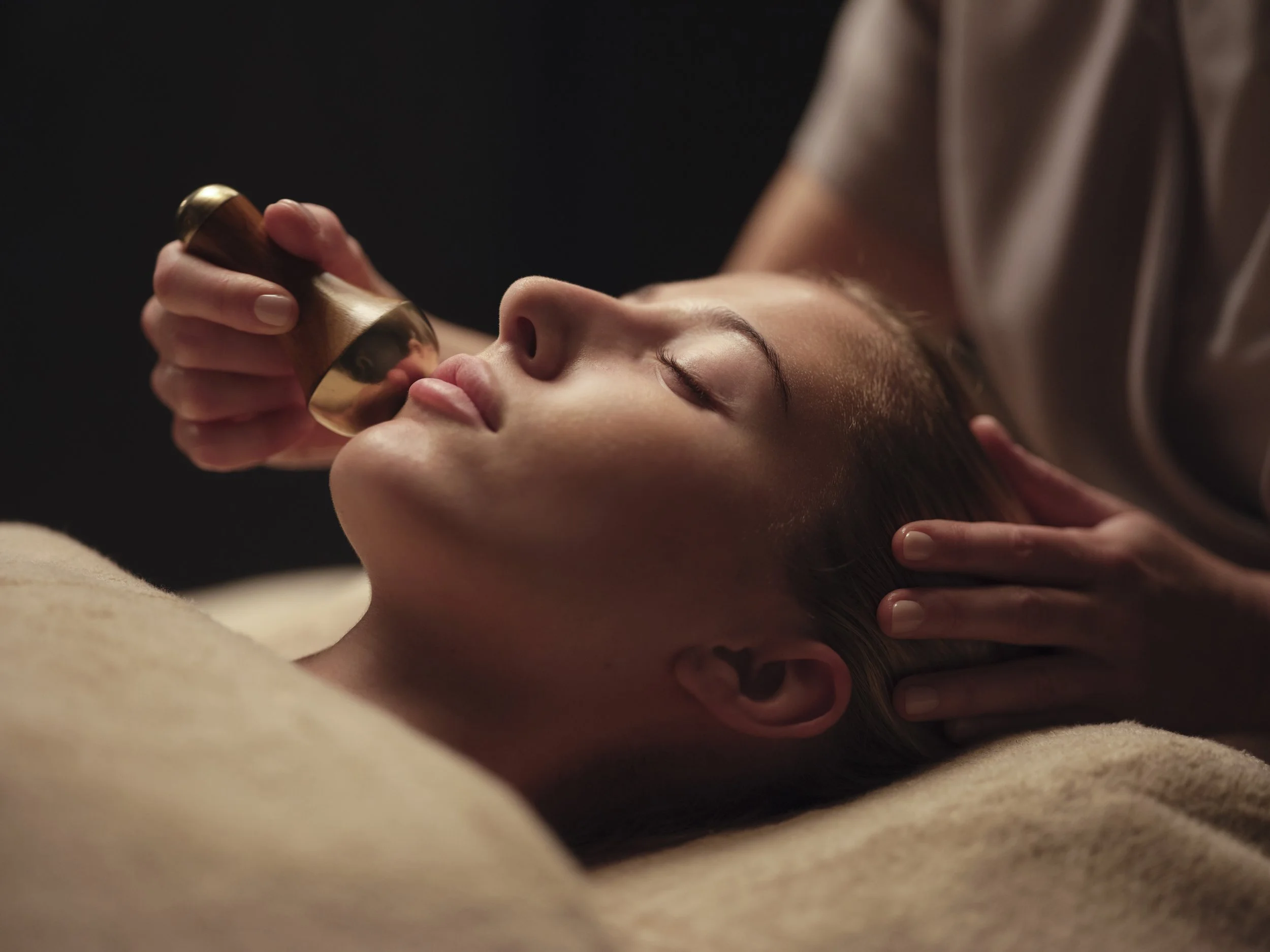
As we pass the midpoint of the year, the treatment landscape is showing no signs of slowing. Our team has been exploring and discovering the latest launches across clinics, spas and aesthetic destinations, from regenerative collagen programmes and skin-boosting injectables to advanced IPL, scalp health protocols, body rituals and Ayurvedic therapies. What stands out is a clear move towards more intelligent, multi-layered results, with treatments combining science, technology, touch and wellbeing to meet a more discerning client demand. Whether focused on radiance, firmness, skin quality, hair health or emotional balance, these are the new treatments to know now.

For the best part of a decade, the interesting conversations in British skincare came out of Seoul. Sheet masks, ten-step routines, glass skin, essences nobody had heard of until everyone wanted three of them. K-beauty taught the UK market to experiment, and it changed what people expected a skincare shelf to look like. The next geographic wave is arriving from somewhere colder and stranger. Icelandic skincare speaks of provenance rather than novelty. Geothermal seawater, marine bioactives, mineral-rich waters, a national reputation for clean energy.
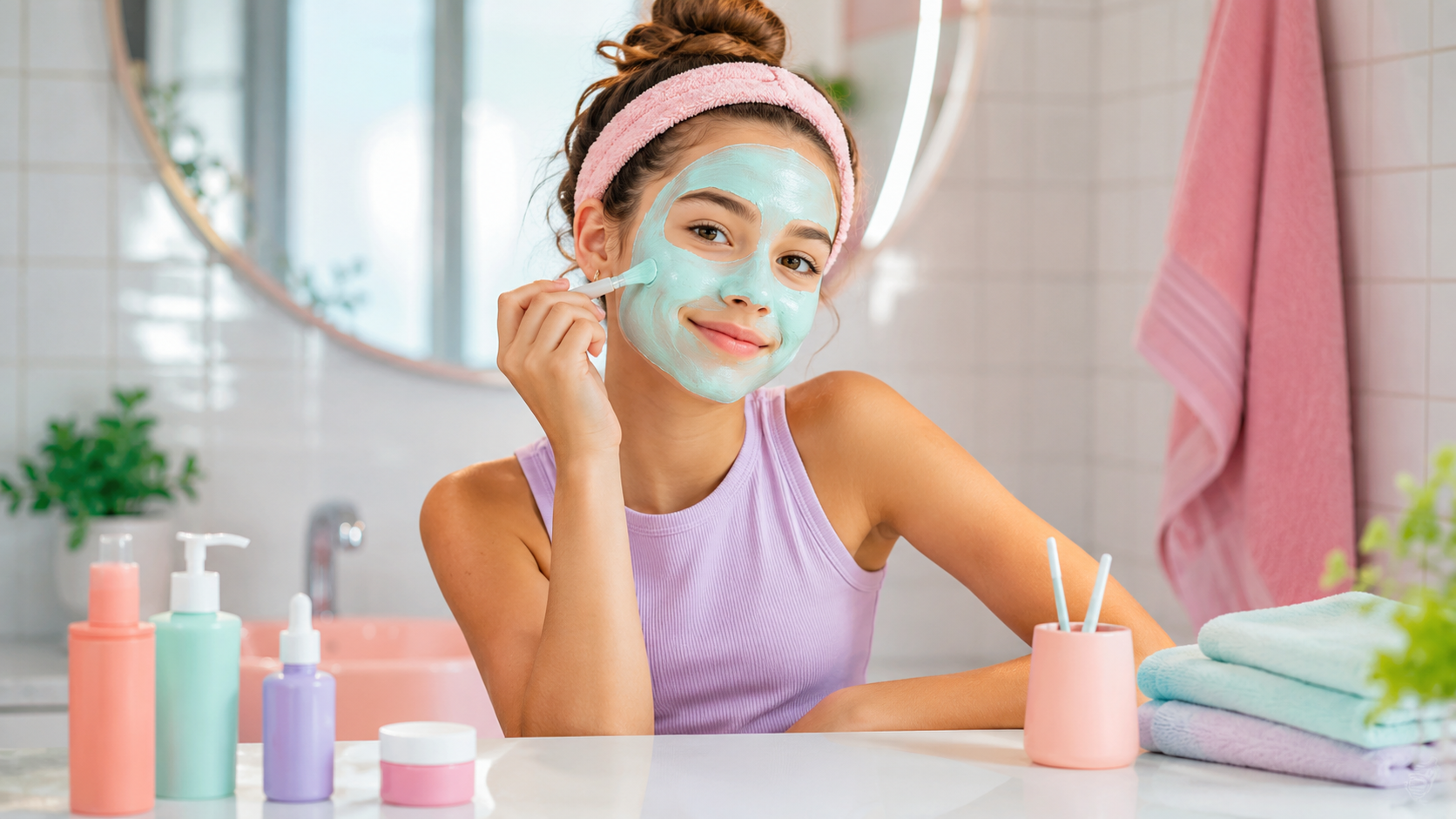
First there were ‘Sephora Kids”, now there’s a new word that has started circulating in dermatology journals; Cosmeticorexia. Cosmeticorexia describes a culturally reinforced, compulsive pursuit of flawless skin through excessive use of active ingredients, cosmetic products, tweakments and procedures. An open-access editorial published this year in Dermatology and Therapy frames it as a preoccupation with perfect skin that can lead to excessive, age-inappropriate or compulsive product use, and it draws a direct line to cosmeceuticals, social media routine culture, influencer marketing and the steady medicalisation of beauty.
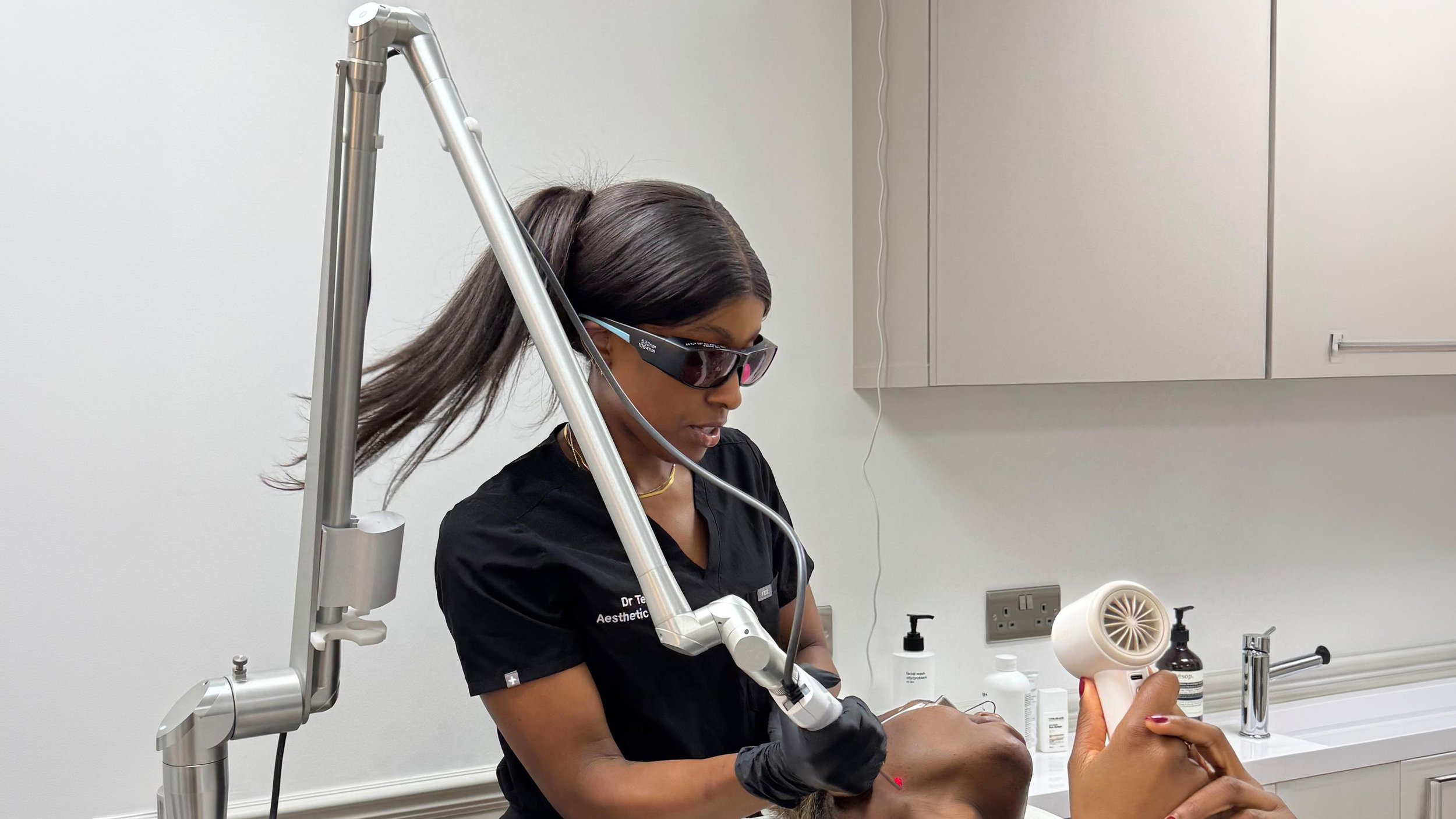
It’s important to remember that skin treatments are never one-size-fits-all. Dr Tego Kirnon-Jackman has created SKINMENU around a far more thoughtful approach, where every treatment is tailored to the individual, with protocols designed to adapt to your skin rather than forcing it into a standardised plan.
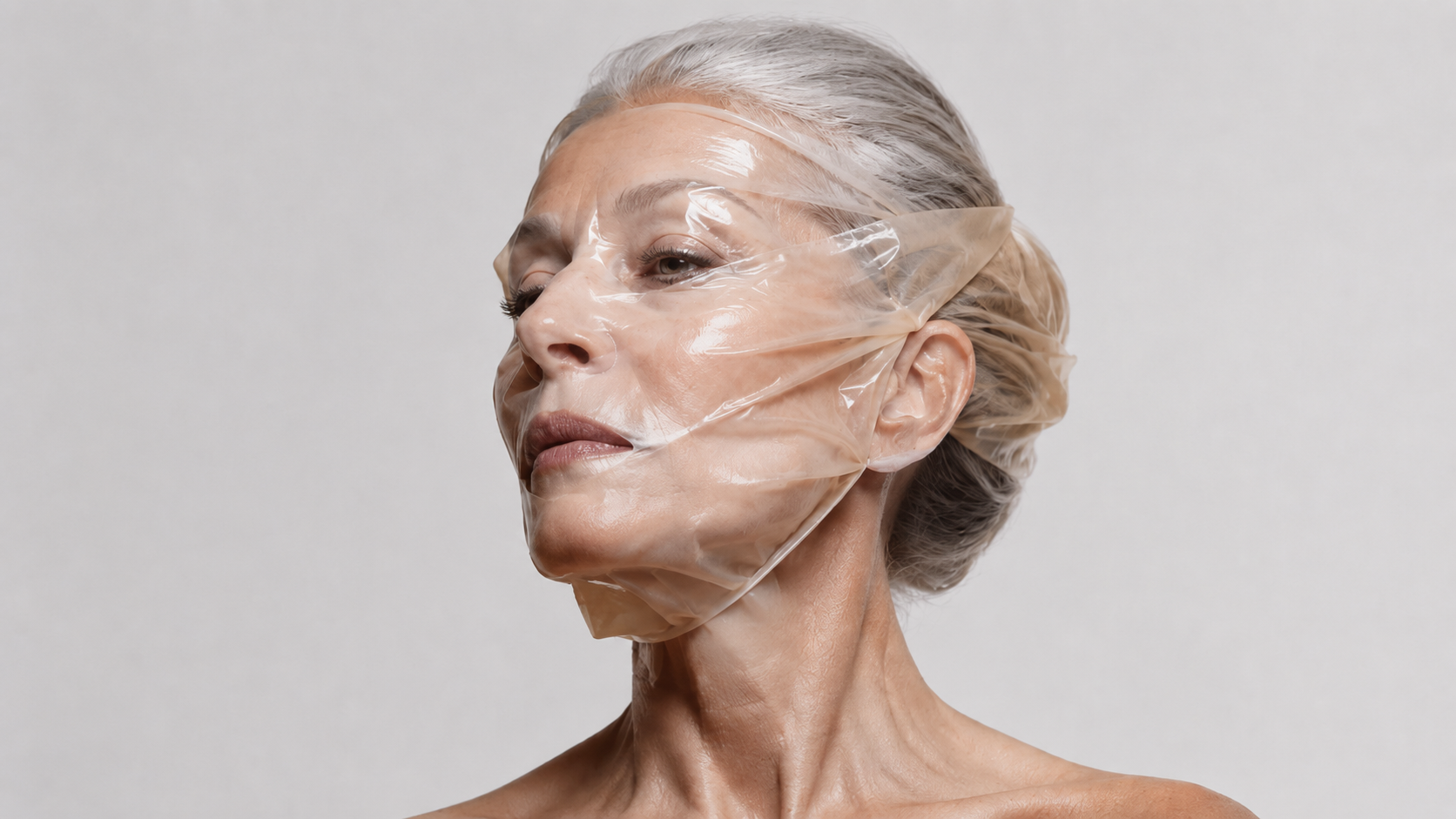
With Consultant Plastic and Reconstructive Surgeon Mr Paul Tulley, we explore how the operation shifts between younger and older candidates, and what that means for the choice of technique and the longevity of the result.
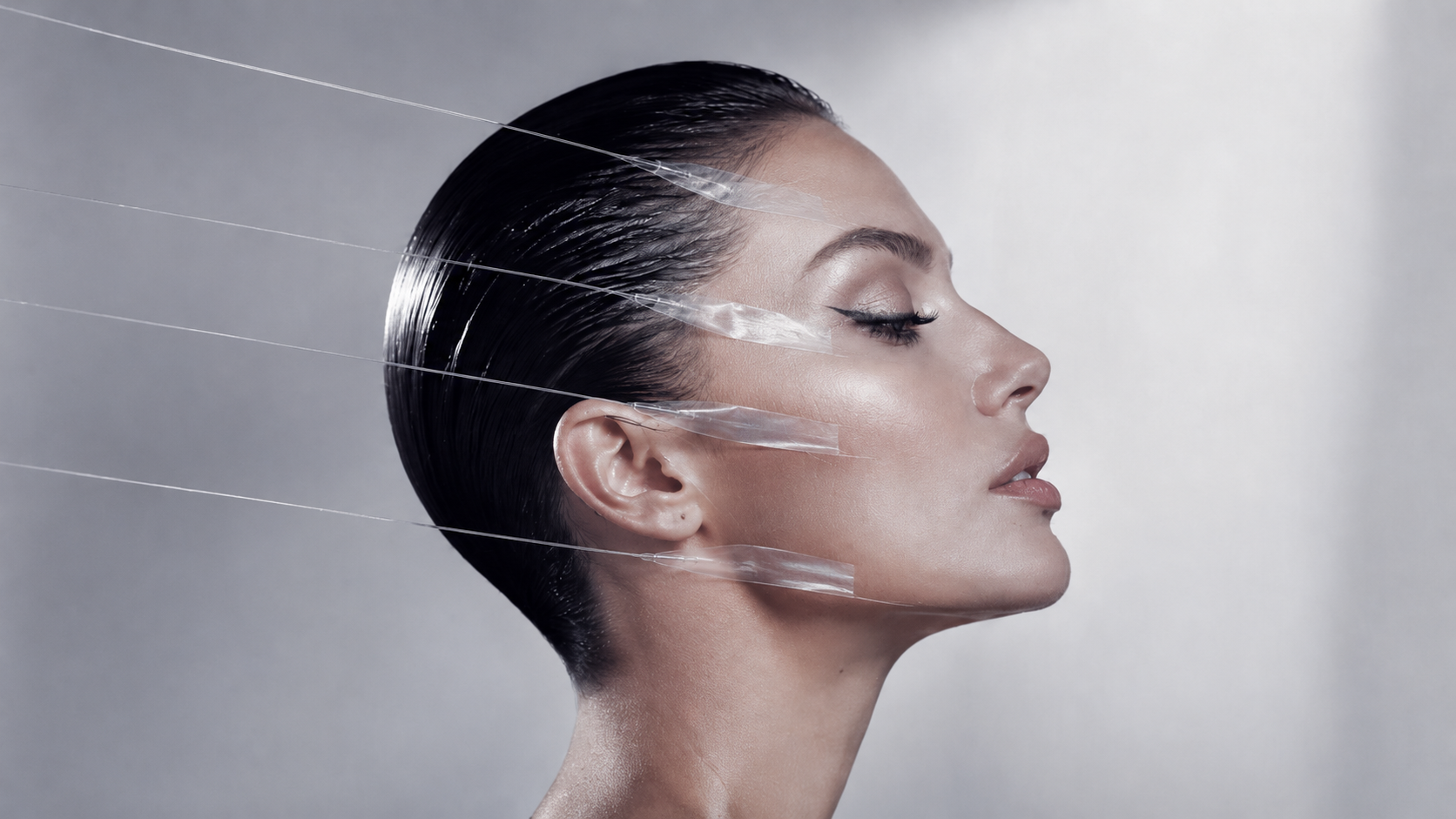
The phrase "facelift slipping" has moved from niche surgical forums into mainstream feeds. After Kris Jenner's reportedly $300,000 facelift became the subject of tabloid claims that her results were already fading and that she was unhappy and looking at a revision, the conversation cracked open across TikTok, Instagram and the gossip press. Search behaviour picked up the change the press release pack flagged this month. People have stopped asking whether a celebrity has had work done. They want to know why the work looks different a few months later.
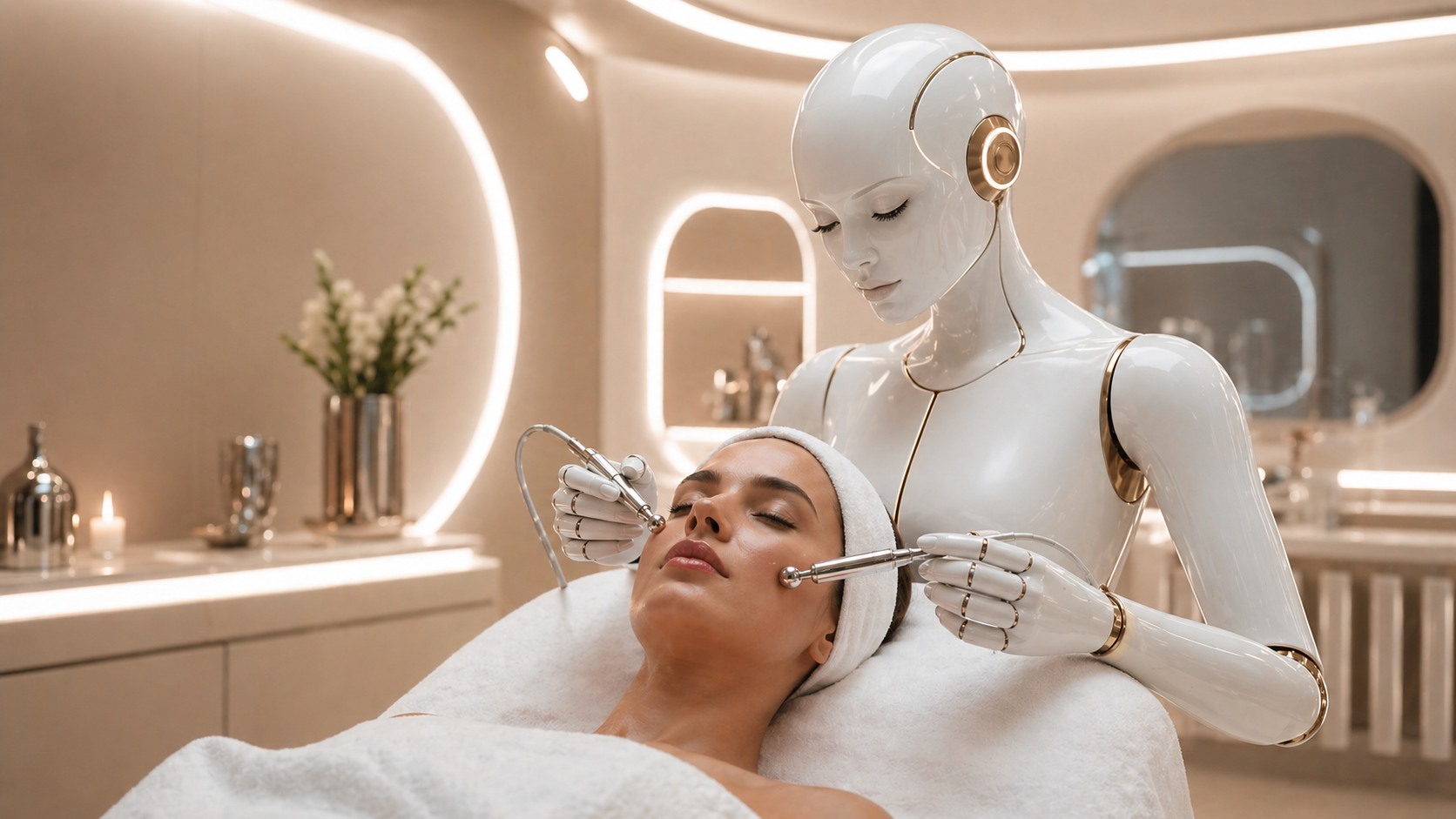
Our editor spoke with Janna Ronert, founder of IMAGE Skincare, licensed esthetician and chairwoman of the board, whose brand says it is used by more than 60,000 licensed estheticians across over 60 countries. Together we explored what has really changed in clinic demand, why sensitive skin is still so often misread, how professional skincare should work alongside in-clinic procedures, and what clinics need to focus on now to keep their skincare offering strong going into 2026.





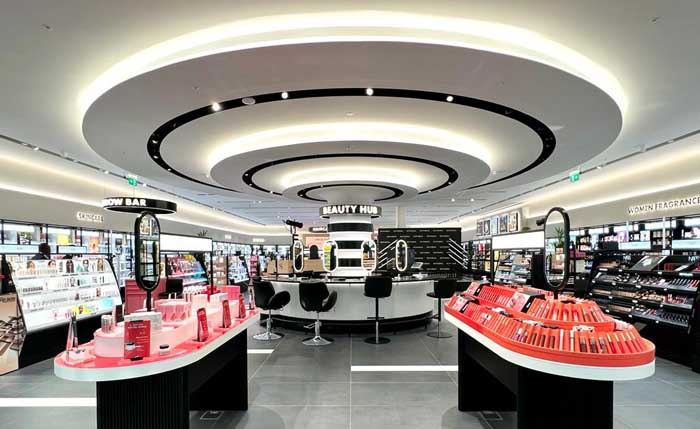
As Floral Street moves into hospitality, founder Michelle Feeney explains why fragrance deserves the same consideration as lighting, music and interiors, and why restraint is often the difference between a memorable scent and an overwhelming one.
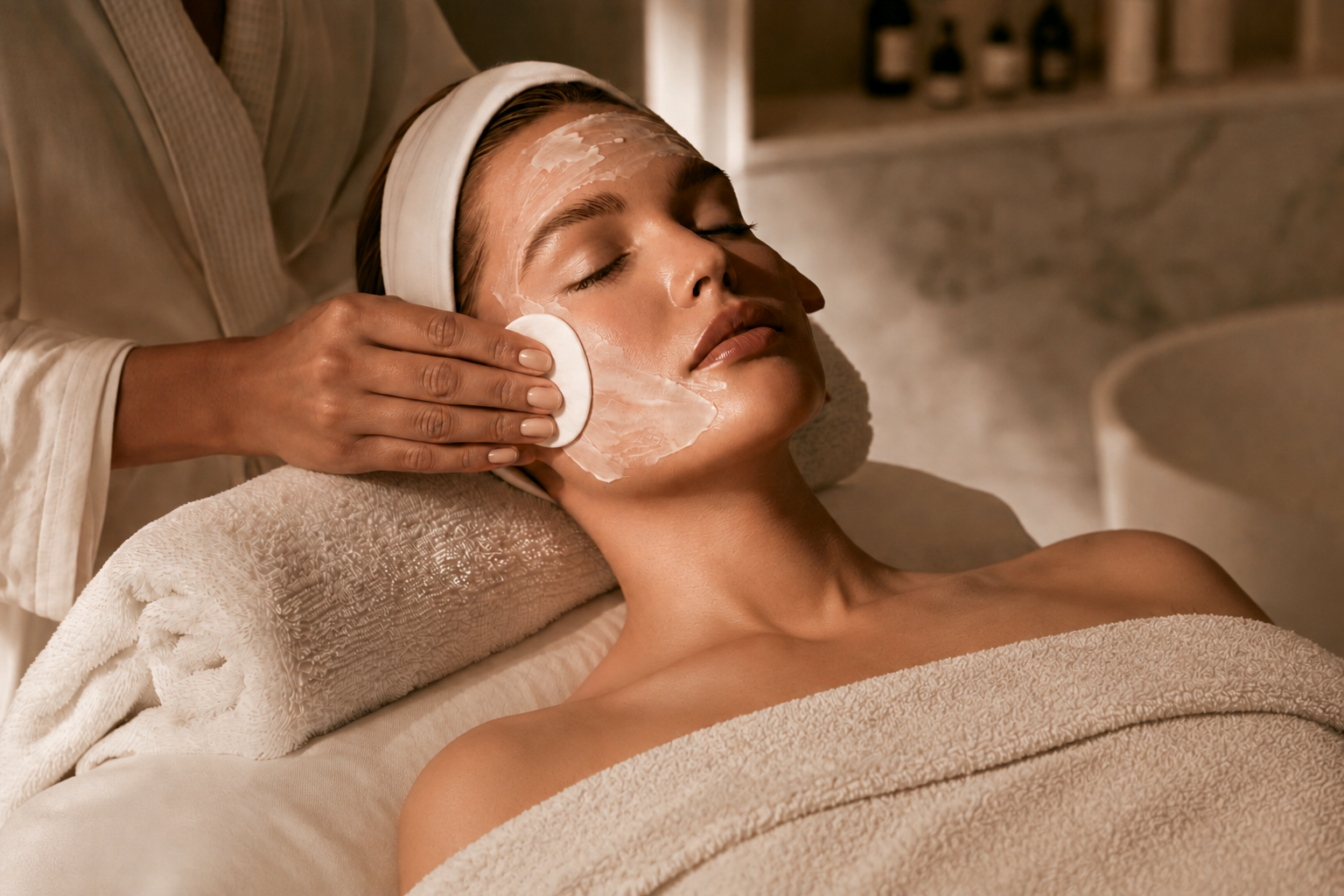
A skincare brand may arrive with an immaculate presentation, but the quality of the partnership is usually revealed later, when a therapist needs help, an order is delayed, the first operational problems surface or a guest discovers the products at a lower price online. Wildsmith Skin CEO Katherine Pye explains what spa operators should establish before signing.

With more than 18 years’ experience in senior hotel spa and wellness leadership, Lesley Bacon is Spa & Wellness Director at Good Spa Guide and a former Hotel Cateys Spa Professional of the Year. Here, she explores what today’s increasingly informed spa consumer really wants and shares how operators can deliver greater personalisation, meaningful value and a seamless guest experience.
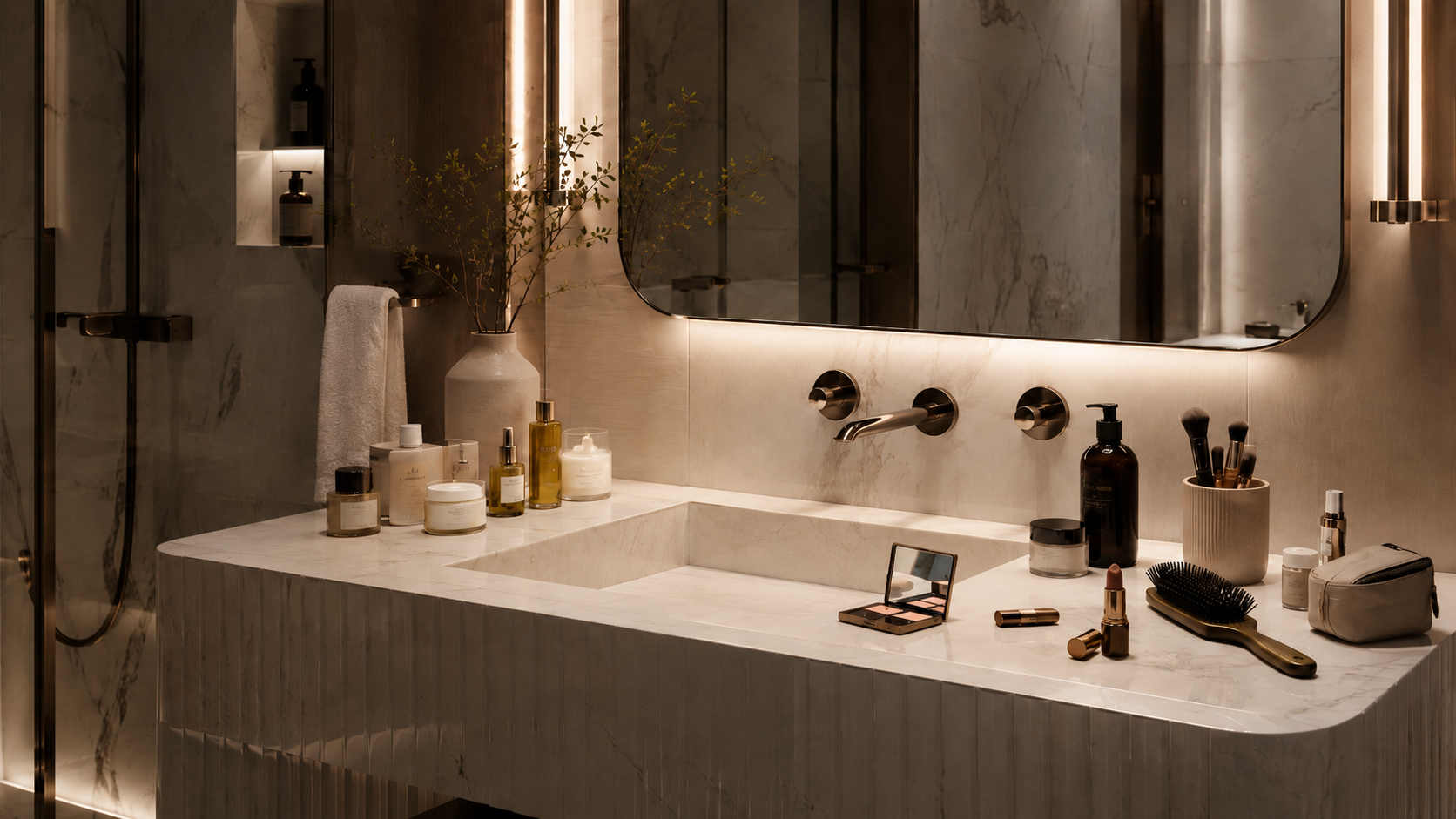
Hotels have spent a decade turning the bathroom into a design statement. Marble, brassware, rainfall showers and softly backlit mirrors now sell rooms before a guest has even arrived. Yet for anyone who actually needs to get ready in one, the hotel bathroom remains one of the most quietly frustrating spaces in hospitality.
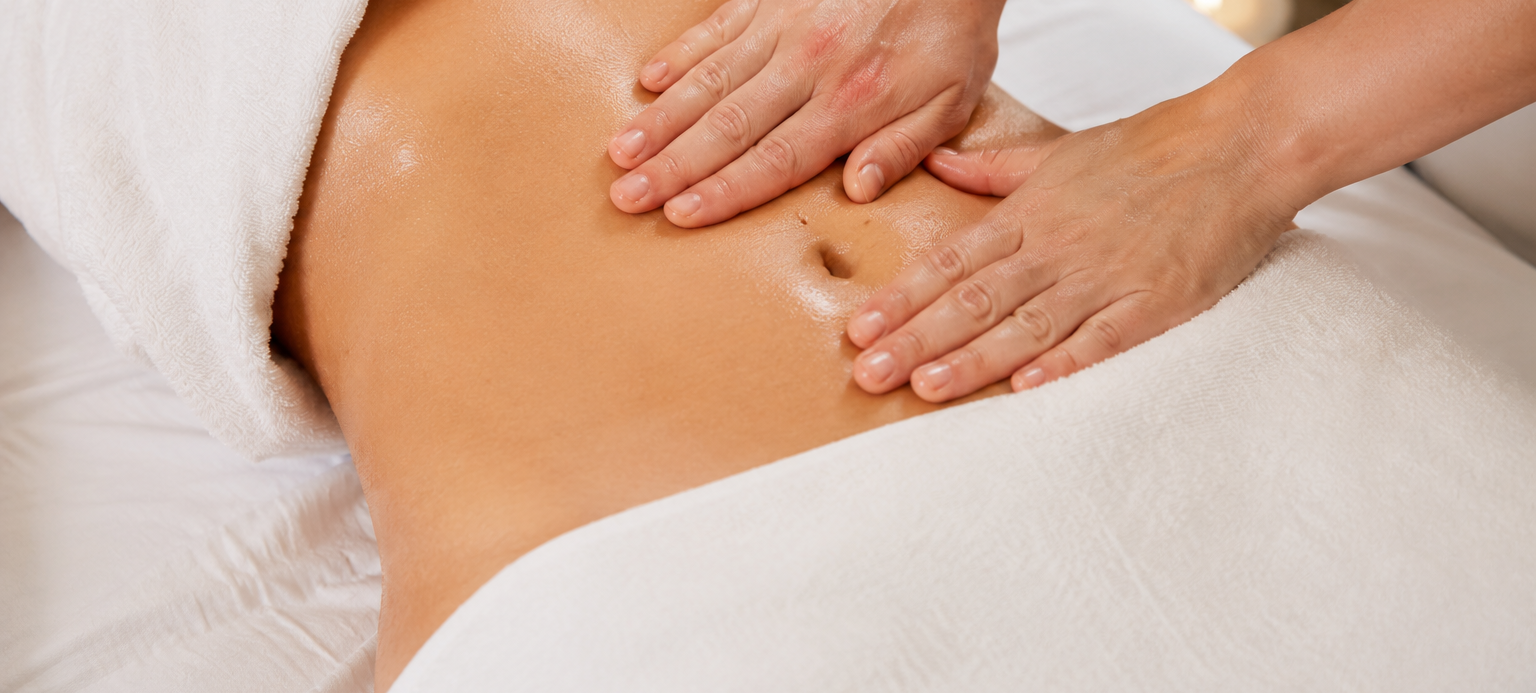
Lymphatic drainage gets sold short. It tends to sit in the same mental box as a relaxation massage, only gentler, and that framing does the treatment no favours with clients who equate pressure with value. Walk a client through what is actually happening under their skin, though, and the picture changes. The reason a good drainage treatment works has almost nothing to do with how hard you push. It has everything to do with where you push, in what direction, and at what rhythm.

The global wellness economy is still growing at pace. The Global Wellness Institute says it reached $6.8tn in 2024, up 7.9% on the year before, with further growth forecast over the rest of the decade. That is good news for spas, but it does not make the commercial picture simple. A growing market can also become a more demanding one, particularly when operators are trying to balance staffing, rising costs, guest expectations and the practical limits of room capacity.
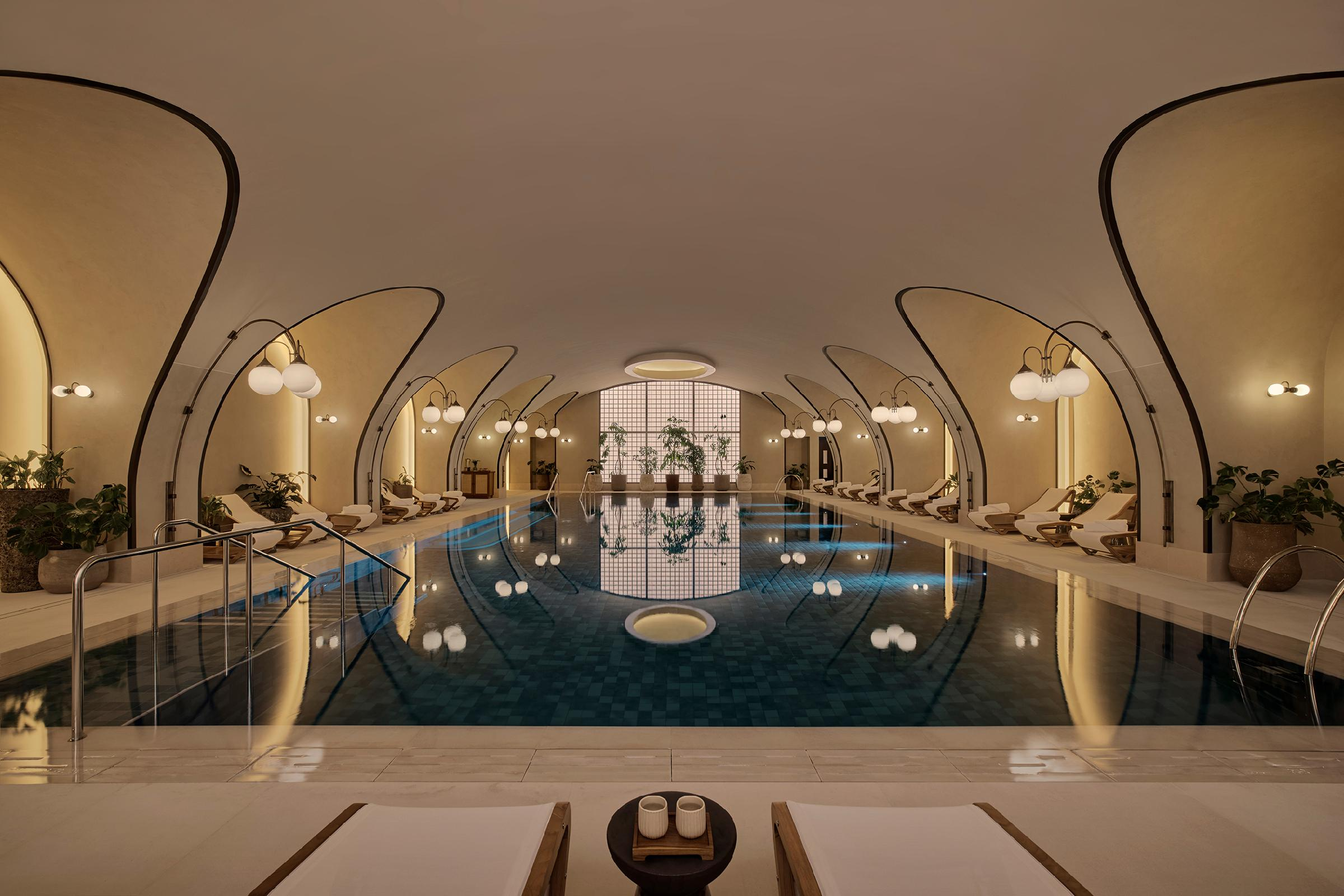
Six Senses has opened at The Whiteley in Bayswater, bringing a spa and wellness offer that is built for regular local use as much as hotel stays. The opening centres on Six Senses Spa London, a 2,300 square metre facility anchored by a 20 metre indoor pool and a dedicated magnesium pool, with a recovery focused biohacking lounge and a full scale fitness set up designed to support training, performance and downregulation in a city environment.
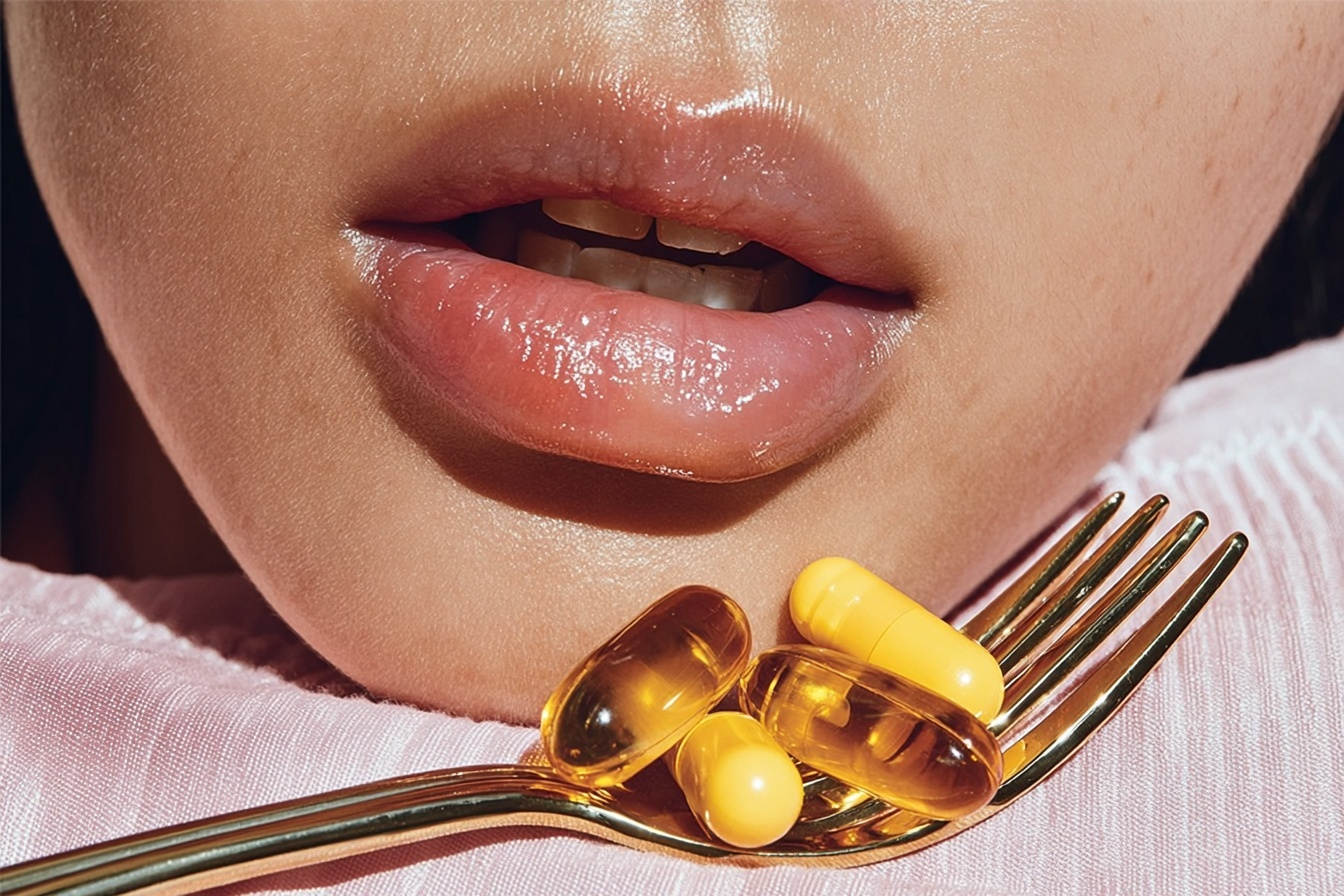
NAD, short for nicotinamide adenine dinucleotide, has become a familiar term in longevity clinics and supplement aisles, often framed as a direct “top up” for energy. The biology is real, but the language around it is frequently sloppy. NAD is a coenzyme found in every cell, constantly being made, used, recycled and broken down. Most interventions marketed as “NAD” are not a straightforward intake of NAD itself. They are, more often, ways of feeding the pathways that help the body build NAD inside cells.

Heat is having a moment in British wellness. Infrared cabins, classic Finnish saunas and hot plunge pools are moving from “nice to have” to “anchor treatment,” backed by an evidence base that is no longer just folklore from Nordic countries. For operators in the UK, the challenge is not whether heat works but how to show it works for your guests in ways that are safe, comprehensible and compliant with advertising rules.

Picture a private island where the daily routine skews towards blood panels, cold plunges and chef-led nutrition rather than beach clubs. That is the pitch behind SHA Island, a new project at AlJurf on the UAE’s Sahel Al Emarat coast, midway between Dubai and Abu Dhabi. The destination is being developed with IMKAN Properties and anchored by SHA Wellness Clinic, the Spanish brand known for clinic-level programmes that mix diagnostics with spa, movement and nutrition. Partners are marketing it as the world’s first island community built entirely around longevity and healthy living.
One ingredient, two regulatory timetables and shelves full of near-identical bottles. The new TPO rules call for a forensic look at stock, suppliers and lamps, not a panicked exit from gel. On a salon shelf, the change is almost invisible. The same orderly rows of builder gels, bases, top coats and colour remain in place, their labels as polished as ever. Yet a single line in an ingredient list now determines whether a product may enter the Great Britain market, how long existing stock may be supplied and what a salon should replace next. The three letters causing the stir are TPO. Online, the story has already been compressed into the sort of headline that travels quickly and explains very little: gel has been banned; every bottle must be binned; TPO and HEMA are the same problem but none of those statements are accurate.
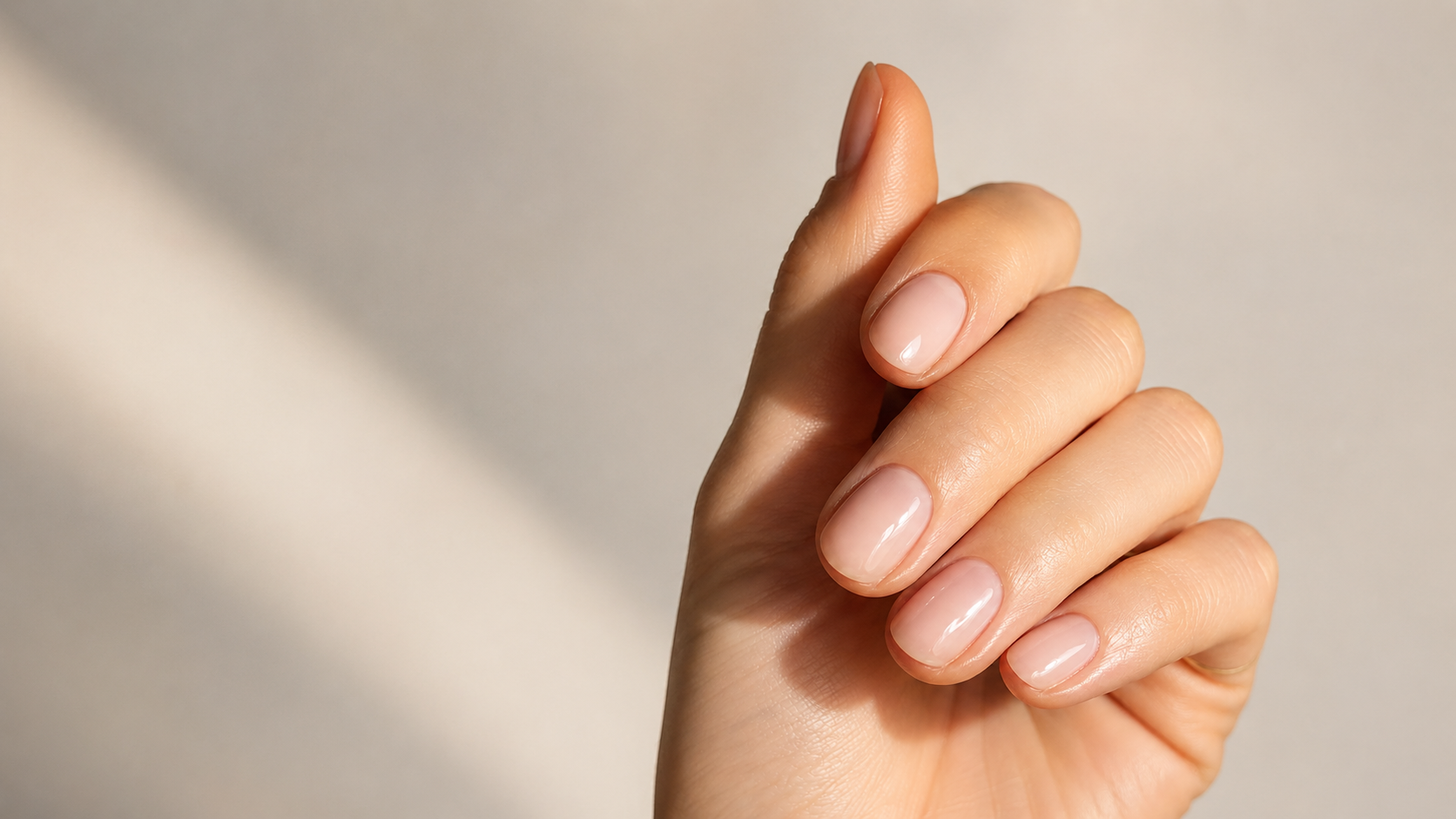
The shortest, sheerest manicure in years is having its moment, and nobody can agree on what it means. To one camp, the bare nail is the new quiet-luxury flex. To another, it's a recession indicator hiding in plain sight. The frustrating part for anyone working on the floor is that both camps may be right at once, and you cannot tell which client is sitting in front of you by looking at her hands.
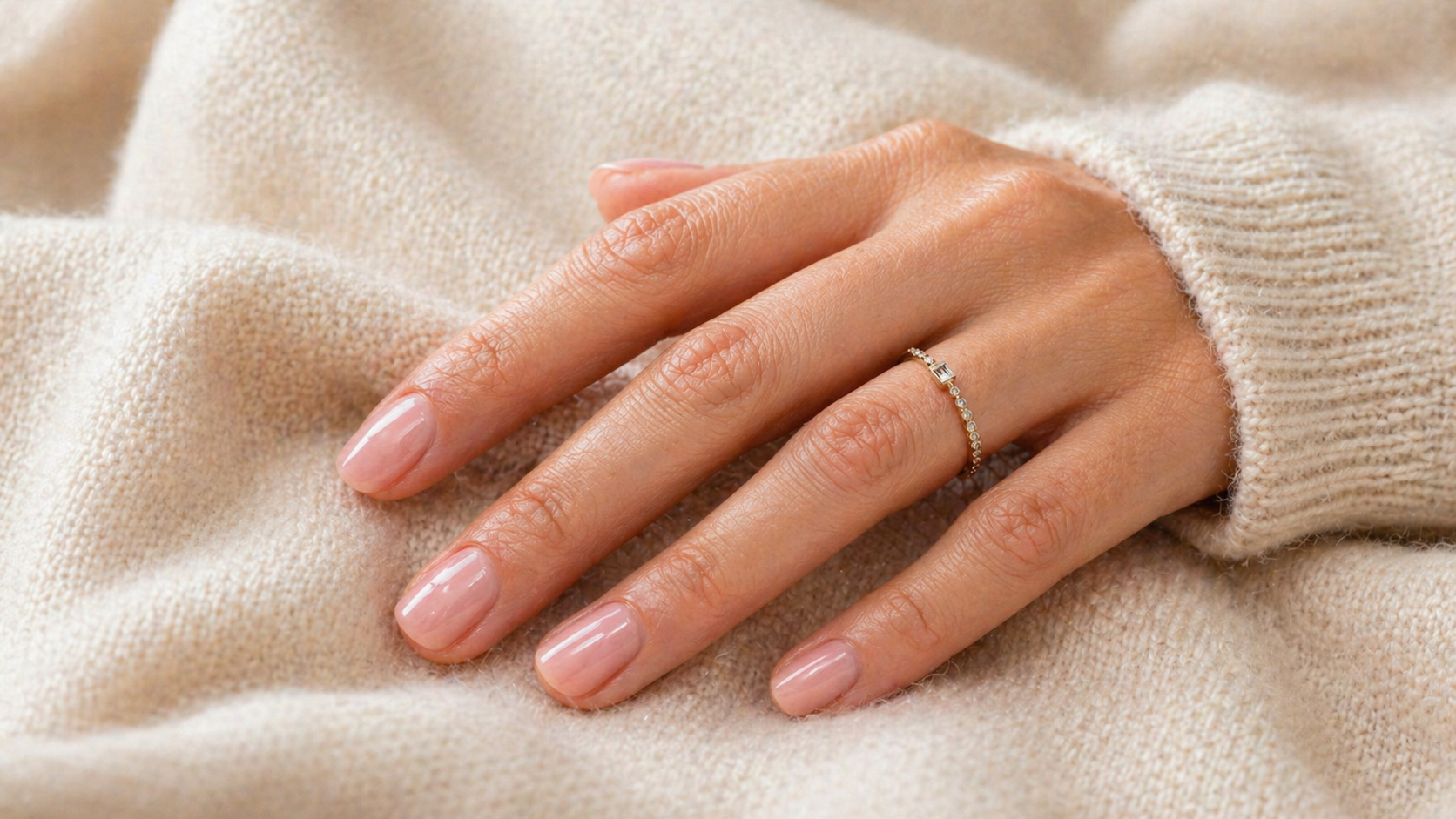
There is no complaint that ruins a working week faster than a returning client whose enhancements are peeling away at the cuticle. Lifting is one of the industry's most stubborn problems, and one of its most misunderstood. It is rarely caused by a single failure. Far more often, it is the cumulative effect of small oversights that compound across prep, application, and aftercare.
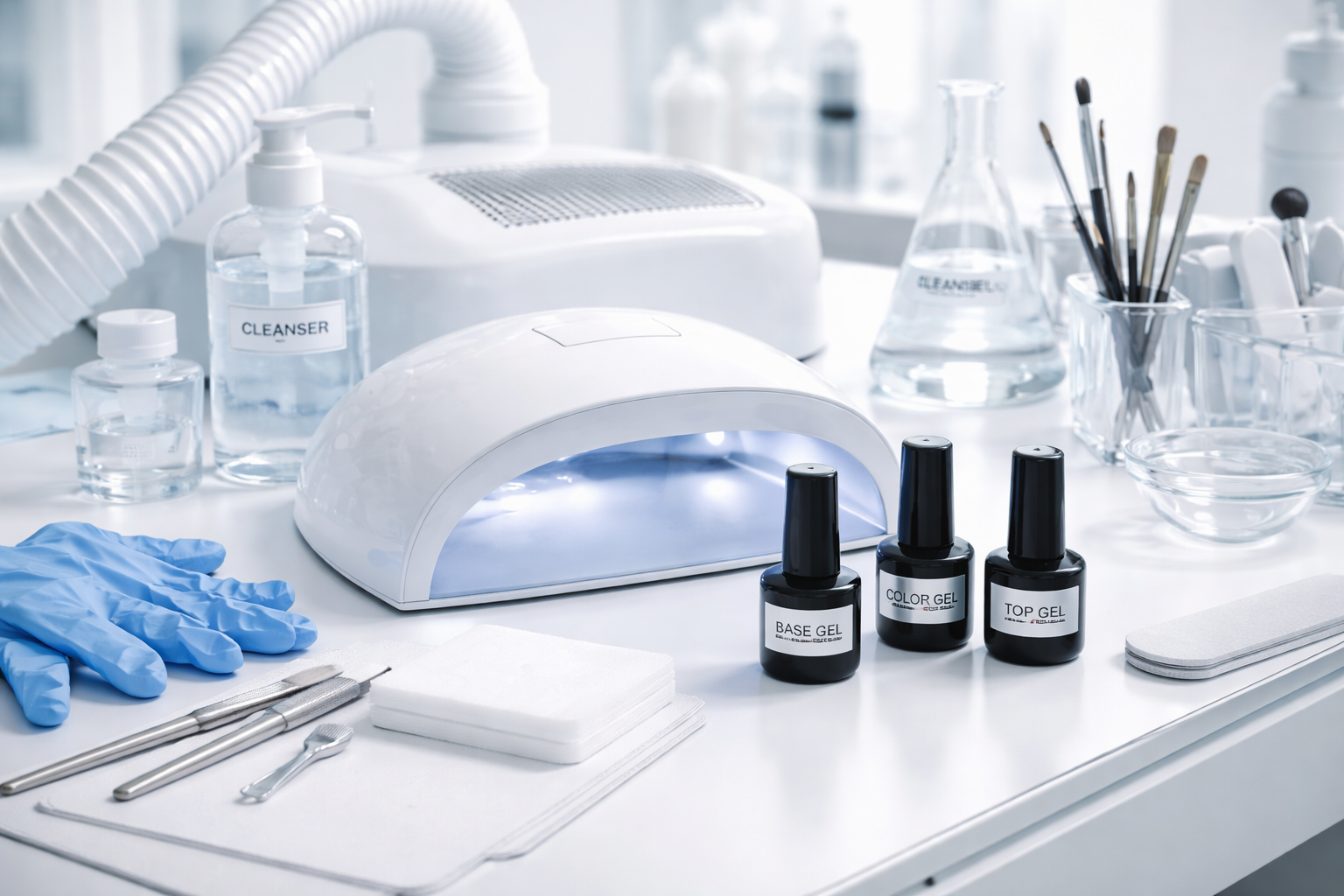
Gel allergy is often framed as a trend problem, driven by social media, DIY misuse or poor training. In reality, it is a chemistry problem first. Modern gel systems rely on reactive ingredients that are highly effective when used correctly, but far less forgiving when technique slips. For nail professionals, that distinction matters. Rising allergy rates are not simply about one ingredient or one bad set of nails. They are about what happens when reactive chemistry meets skin exposure, poor curing and inconsistent system use.
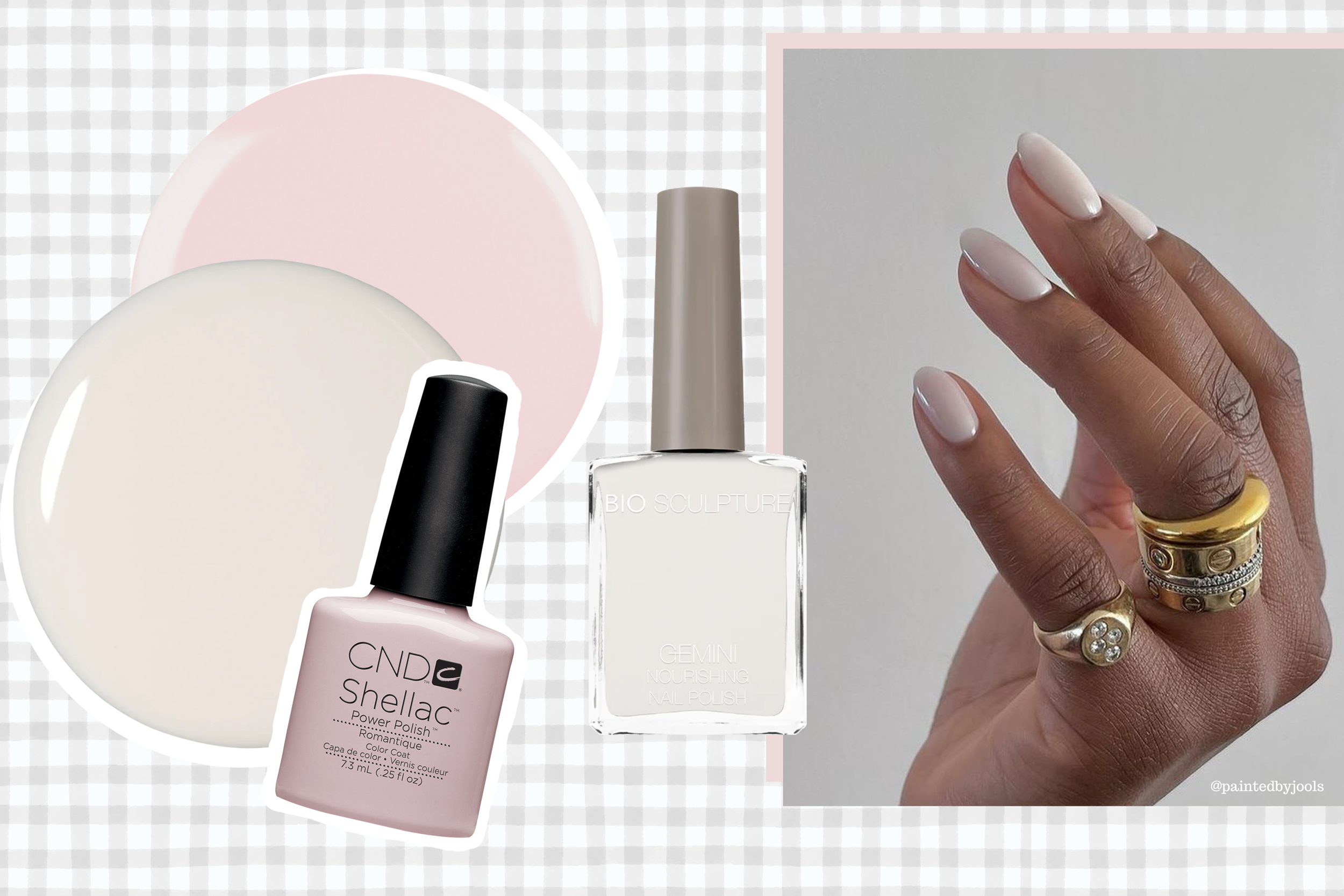
As we move through 2026, the nail industry is witnessing a move away from loud, chaotic art toward a more intentional, "refined luxury" aesthetic. For professionals, this season is less about complexity for complexity’s sake and more about mastering depth, finish, and the perfect "clean" canvas.

Christmas nails in 2025 are split between two camps. On one side, chromed, velvet and bejewelled sets that photograph beautifully under party lights. On the other, soft chiffon finishes and milky neutrals that suit clients who want something festive but boardroom safe. For salons, the commercial sweet spot is offering both, built on strong structure, excellent wear and smart retail.

Electric files can be transformative in skilled hands. They speed up product removal, refine shapes with precision and create room for meticulous cuticle work. They can also thin plates, generate heat and trigger onycholysis if used carelessly. Training is non-negotiable, and UK industry standards caution against using an e-file directly on the natural nail plate unless you have specific advanced training, with strict attention to protecting surrounding skin.

This daily physical strain contributes to a high rate of career burnout. Chronic pain and repetitive strain are primary reasons why many technicians leave the profession. Experts argue this is not an inevitable consequence of the work, but a result of workplace practices that can, and should, be changed. By applying the principles of ergonomics, the science of designing the workplace to fit the worker, professionals can move from managing pain to preventing it altogether.

The latest trend to dot your feed? Quite literally, polka dot nails. This playful, vintage-inspired manicure is officially summer’s breakout star, showing up on the fingertips of Hailey Bieber, Dua Lipa, and Sabrina Carpenter. Whether glazed, rhinestoned, or painted in punchy pastels, polka dots are popping up in every possible variation, from minimalist accents to full-blown retro statements. Nail artists are embracing the versatility, mixing black and white classics with cherry red combos or soft blush-on-blush looks. It’s the perfect crossover of fashion and beauty, echoing the season’s obsession with dotted dresses and 60s nostalgia. Call it the mani equivalent of a lemon sorbet: refreshing, sweet, and a little bit cheeky.
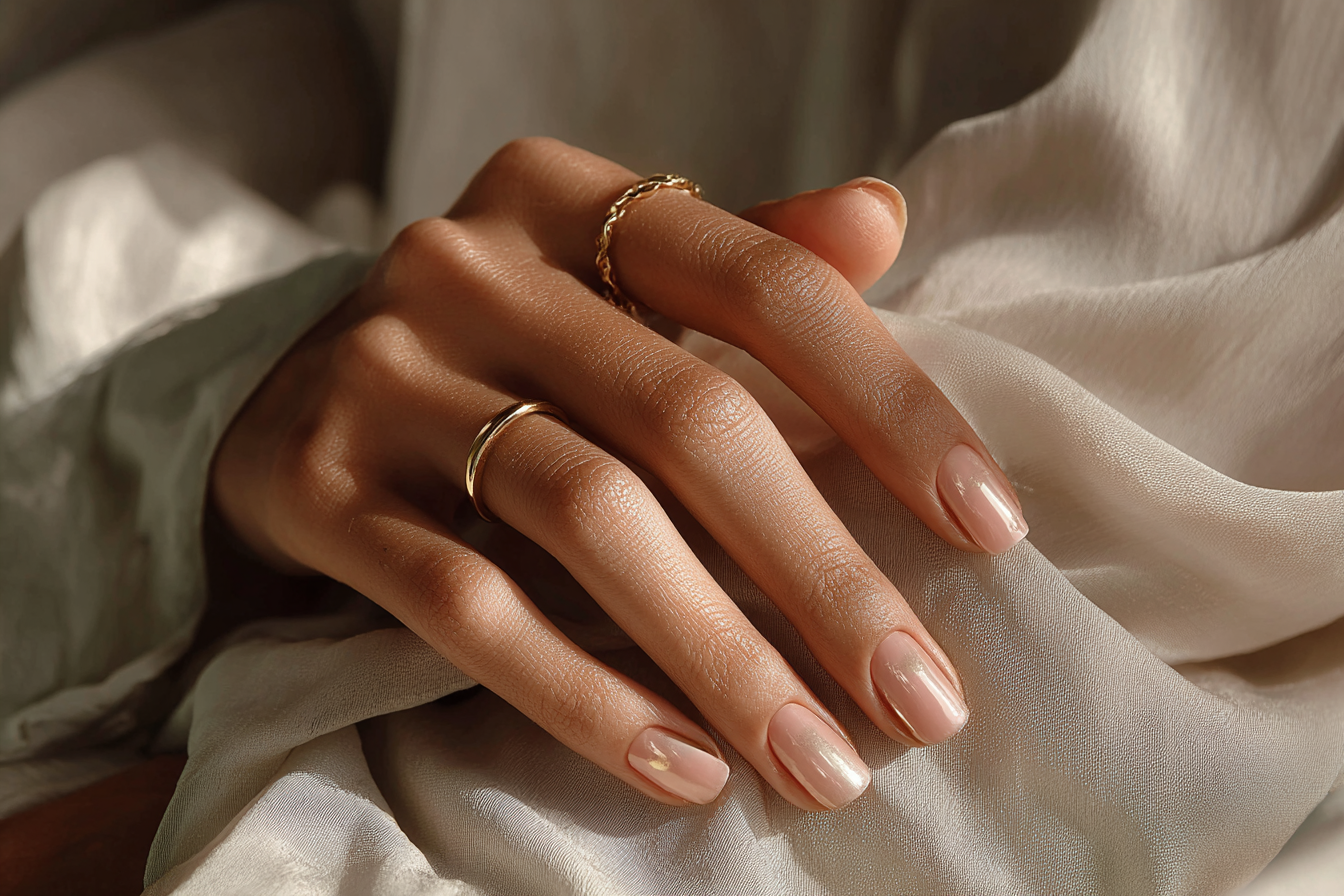
Many salon professionals have heard clients insist that their natural nails need to “breathe” between manicures. It’s a common refrain: “I’ll skip polish this week to let my nails breathe.” As well-intentioned as this advice sounds, it’s actually a myth. Nails don’t breathe – at least, not in the way people think. Let’s dive into the science of nail physiology, debunk the “nail breathing” misconception, and explain why products like gel polish and nail polish do not inherently damage the nail when used correctly. We’ll also explore how improper techniques, not the products themselves, are usually to blame for nail damage.
Joe Hill’s latest colour forecast keeps the depth associated with autumn, then brings back the light with mocha chocolate, precisely placed gold and a finish designed to glow.
Icy blonde and one-note brunette are losing their grip. According to Scullion & Scot’s award-winning colour team, the new season belongs to stone-washed blondes, smoke-veiled brunettes and copper with its brightness turned down.
There is a particular indignity in leaving the salon with a smooth, glossy blow-dry, only to feel the roots around your temples turn damp before lunch - something that has been unavoidable with the recent heatwaves, but can catch you out even without high temperatures. For women prone to scalp sweating, a hot commute, an exercise class or a menopausal flush can undo an hour’s styling in minutes.
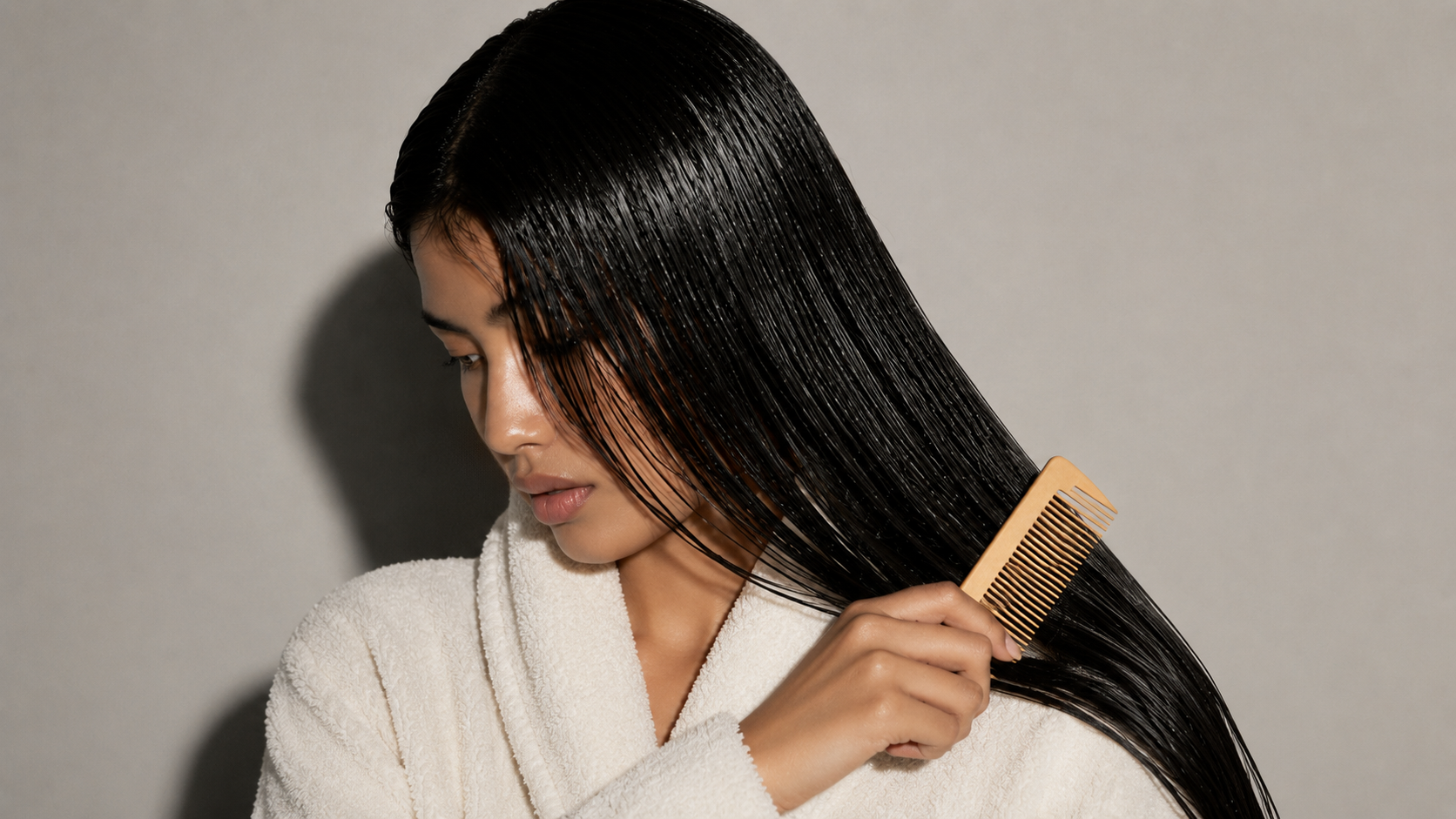
Menopausal hair thinning is becoming a major concern in aesthetic clinics and salons alike. Together with Kam Dogan, founder and clinical director of The PRP Lab, we look at why practitioners are under growing pressure to provide informed advice, successful treatments, and realistic expectations.

Party season is no longer about stiff curls and a cloud of hairspray. This year’s most requested looks are glossy, undone and quietly expensive, with a distinctly Scandinavian sensibility. Together with London salon STIL we have mapped out the key colour, cut and styling ideas that will carry clients from office hours to after hours without losing polish.

Janet Davies, biochemistry graduate and founder of Ominira Naturals, sets out why textured hair needs science, cultural respect and safer formulations to thrive. Drawing on a decade of research and her own waist-length hair journey, she tackles the industry’s underrepresentation of Black women, explains the biology behind coils and curls, and challenges the false choice between styling and scalp health. She showcases heritage botanicals paired with evidence-led formulation, community education on hormones and gut health, and a retail and media call to action that treats Afro hair as standard, not a side aisle.

The internet’s love affair with high impact hair is not slowing down. In the run up to autumn and winter, saturated “Viral Vivids” are everywhere you look, from TikTok transformations to red carpets and the AW25 runways. The mid-year outlook called it early, noting that vibrant reds would not be going anywhere for 2025, whether bold copper or deep cherry, and the prediction has landed in salon chairs across the UK.

Autumn winter 2025 is shaping up to be sleek, archive inspired and wonderfully wearable. Josh Wood Atelier’s Creative Master Colourist Jason Hogan and Principal Stylist Mike Mahoney set the tone with a season brief that prizes polish, nuance and cut discipline. As they put it, this is a moment for “effortless polish, heritage inspired hues, and timeless cuts reimagined for today.”

Step inside the world of The Devil Wears Prada: The Musical, and behind the glittering costumes and fashion-forward finesse is a quiet powerhouse making it all look effortless. Carolina Quina, Head of Wigs, Hair, and Makeup, leads one of the most meticulous departments in theatre with an eye for detail and a deep love for transformation.

A striking number of salon clients rarely wash their own hair, preferring instead to rely entirely on salon visits for scalp care, shampooing, and styling. They book weekly or twice-weekly appointments and leave the technicalities of scalp care, product selection, and heat styling entirely to the professionals.
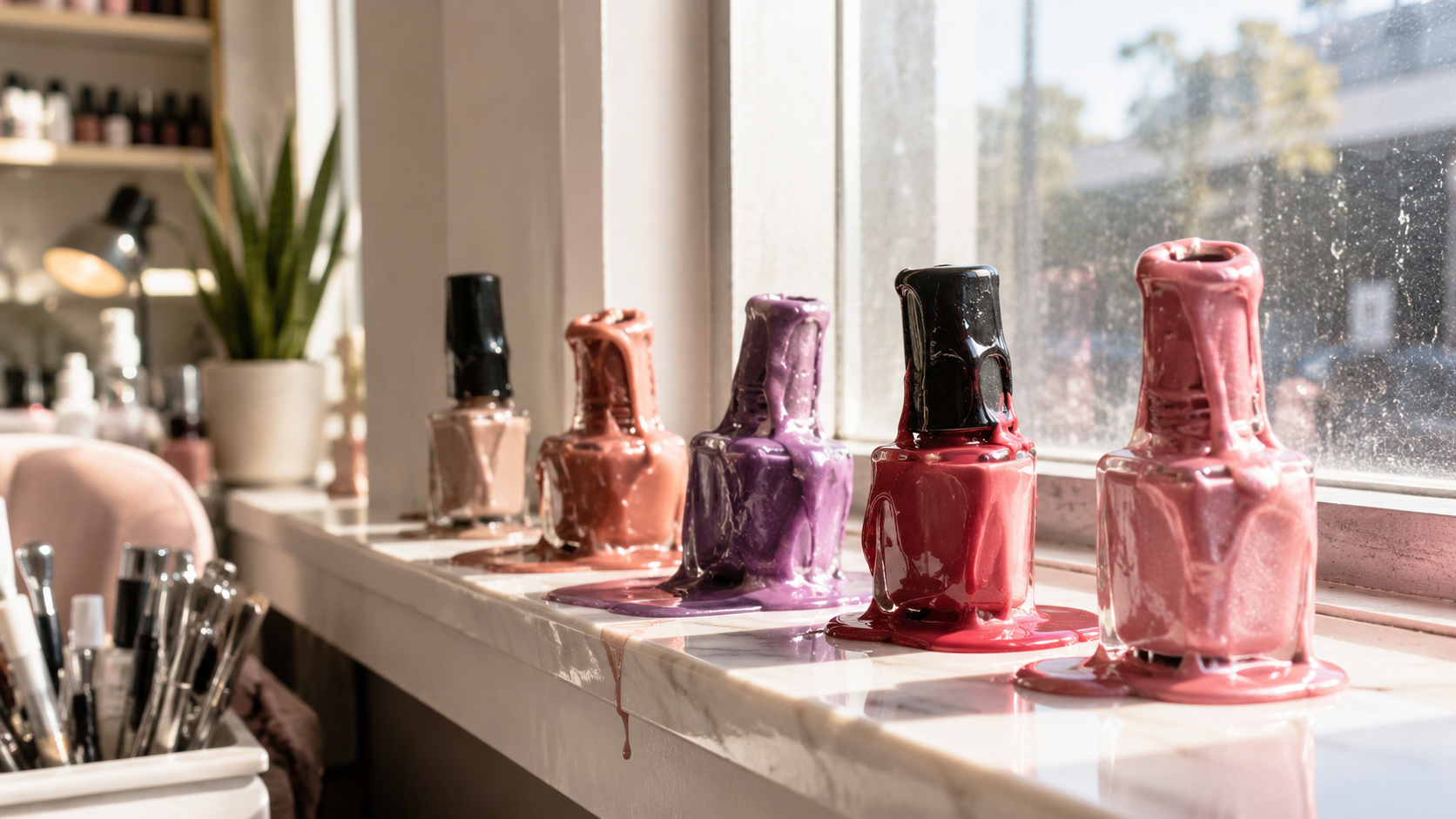
Whether you love or hate the heatwaves, either way you will be facing the same issue - how should you safely store your stock and products you work on? Heat does more than make products uncomfortable to use. In professional environments, high temperatures can alter viscosity, accelerate oxidation, affect preservatives, destabilise active ingredients and increase the risk around flammable liquids. As a general rule, cosmetics and professional products should be stored in a cool, dry, dark place, ideally at a stable room temperature between 15°C to 25°C which is the preferred range for cosmetics, gel polish and UV gels, with heat and temperature fluctuations being key causes of formula degradation.

The scandal that began with a single failed SPF test in Australia has left consumers questioning the bottle on their bathroom shelf. We asked Frances van der Velden, founder of Australian brand Airyday, how a sunscreen brand earns that confidence back, and why the country with the world's strictest sunscreen rules is where the lessons are being learned.
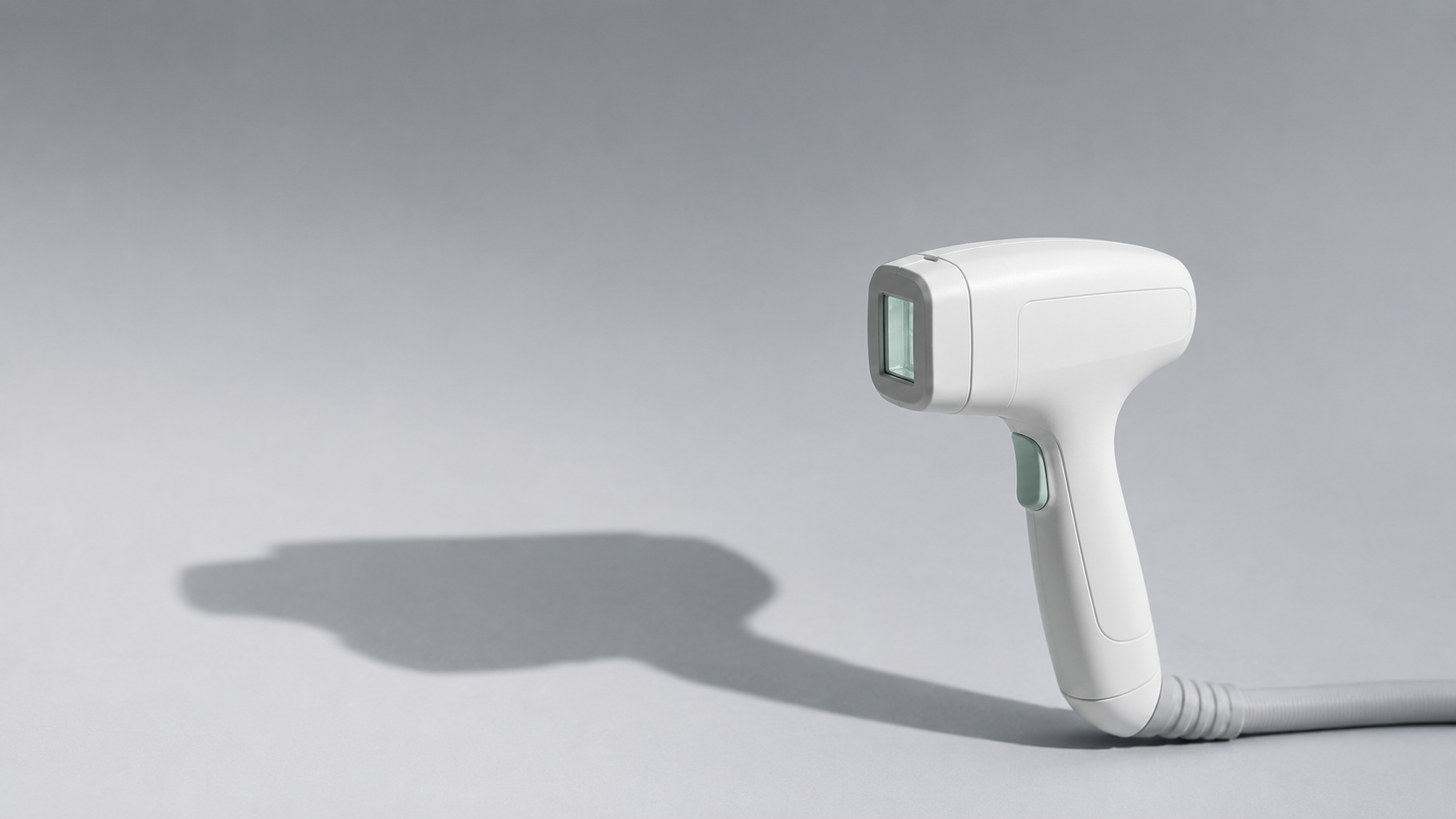
A laser burn complaint comes in. The clinic pulls the device file to send to the insurer. That is when a growing number of UK practitioners are finding out that the device they have been using is not what they thought they bought. By the time the insurer's coverage decision arrives, the practitioner is already exposed personally, and the protection they thought was in place turns out to be conditional on paperwork that does not actually exist.
Constant clock-checking tells a client you would rather be elsewhere. Here is how experienced practitioners stay on schedule without ever appearing to watch the time.
If you spend any time on the business side of TikTok, you'll have seen the videos. A creator wandering through a Guangzhou showroom, sweeping the camera across rows of laser machines, hydrafacial trolleys and cryolipolysis units. Prices flashed up that are a fifth, sometimes a tenth, of what you'd pay a UK distributor. It's good content but for any practitioner who acts on it, it is also some of the most expensive advice on the platform.
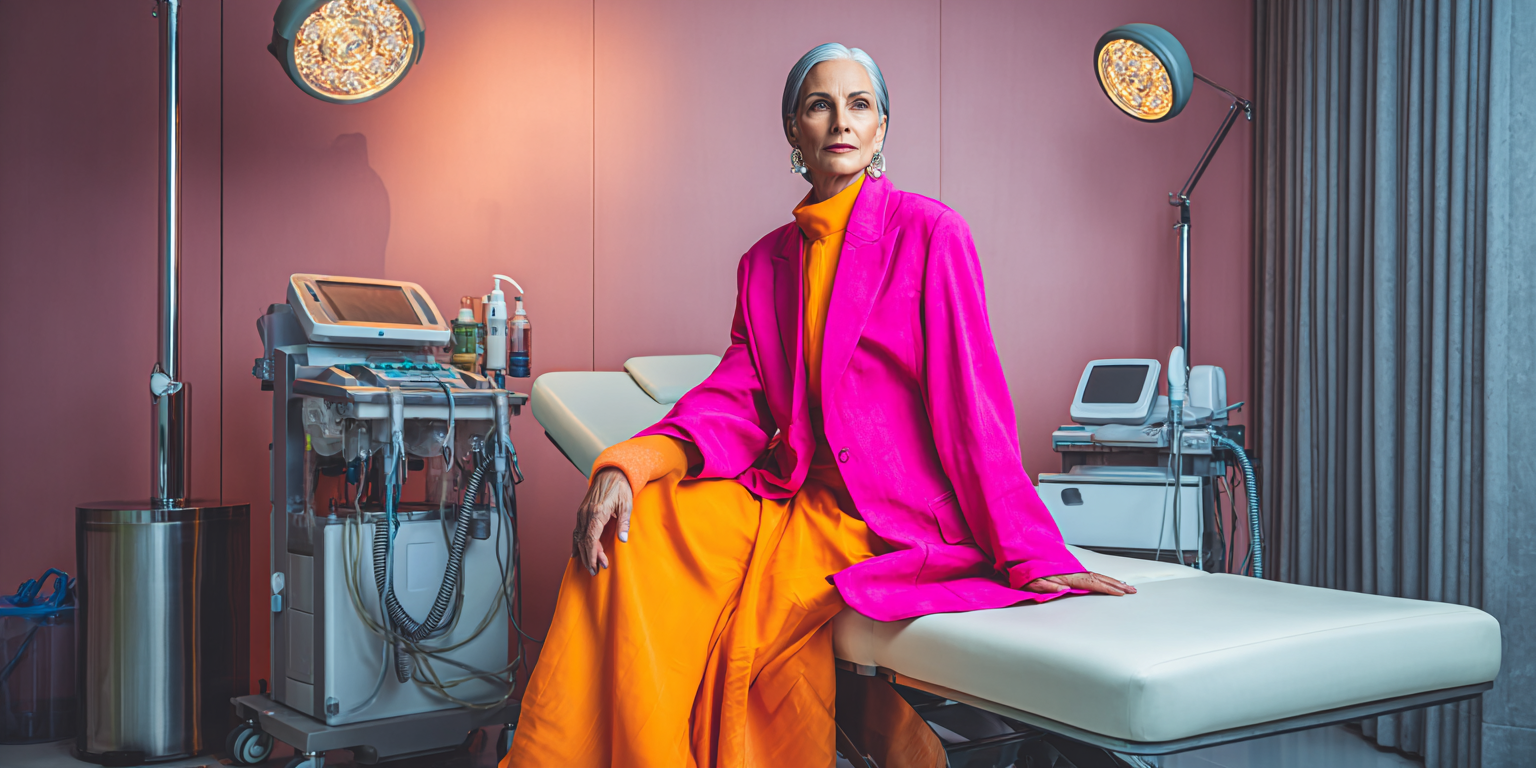
Spend enough time in aesthetics and one pattern becomes difficult to ignore. Women make up much of the workforce, much of the patient base, and much of the commercial energy behind the sector, yet that reality has not always been matched by who holds authority at the top.

Emma Elliott shares a practical guide to future-proofing business growth, drawing on more than 30 years of experience in brand building, communications and consultancy to outline the key areas founders and senior teams should review, from branding and website compliance to marketing strategy, PR, retail costs and long-term scalability.

Anna Dobbie explores why the clinics that promise less often leave the strongest impression, and what aesthetic practitioners can learn from expectation management done well.
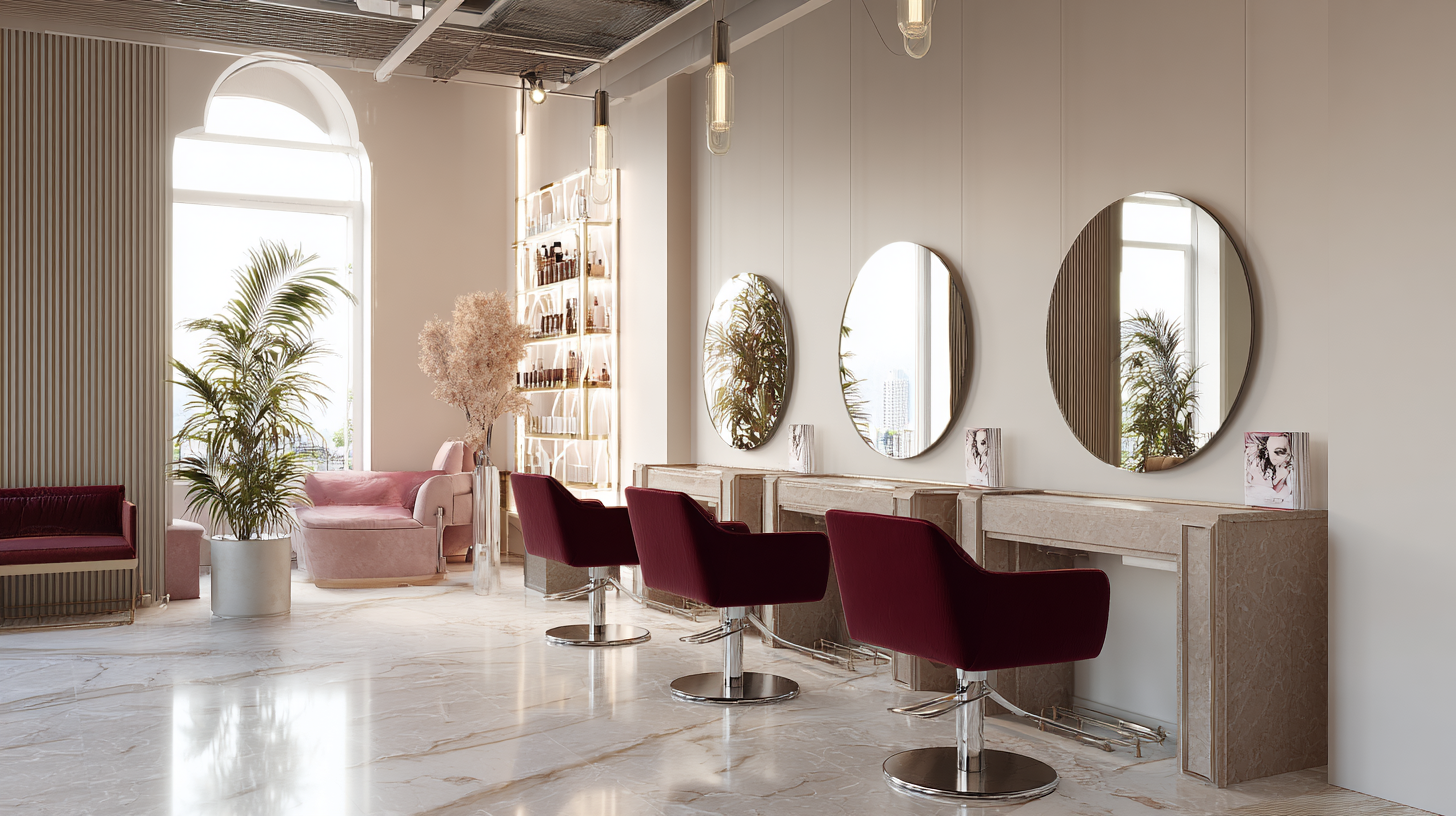
Keeping your pricing fair but profitable is a delicate balance. But with rising costs, many salon owners are considering price increases, but how do you do this without upsetting your loyal clientele? Benjamin Shipman, co-director of The Hair Movement in Sidcup, says you need to value your worth and not undersell your expertise and knowledge.

For aesthetic clinics, the legal risk around a treatment complaint is no longer confined to a poor outcome, a difficult consultation or a missing signature on a consent form. The pressure is widening. Patients are arriving better armed, faster to escalate and more able to package dissatisfaction into a polished complaint. At the same time, many clinics are operating through looser care models, with separate prescribers, visiting injectors, device operators, remote consultations and outsourced follow-up. That combination is creating exactly the sort of liability picture insurers do not like.


As research exposes widespread confusion surrounding menopause-related skin changes, the beauty and aesthetics industry faces questions about how it assesses and treats clients in midlife. With insights from aesthetic medicine specialist Dr Priya Chadha, Founder and Director of Amer Clinic and Galderma global KOL, we examine whether traditional consultation protocols are sufficiently equipped to recognise the effects of hormonal change.