
Influencers Are Telling You to Buy Your Machines from China. Here's Why You Shouldn't.
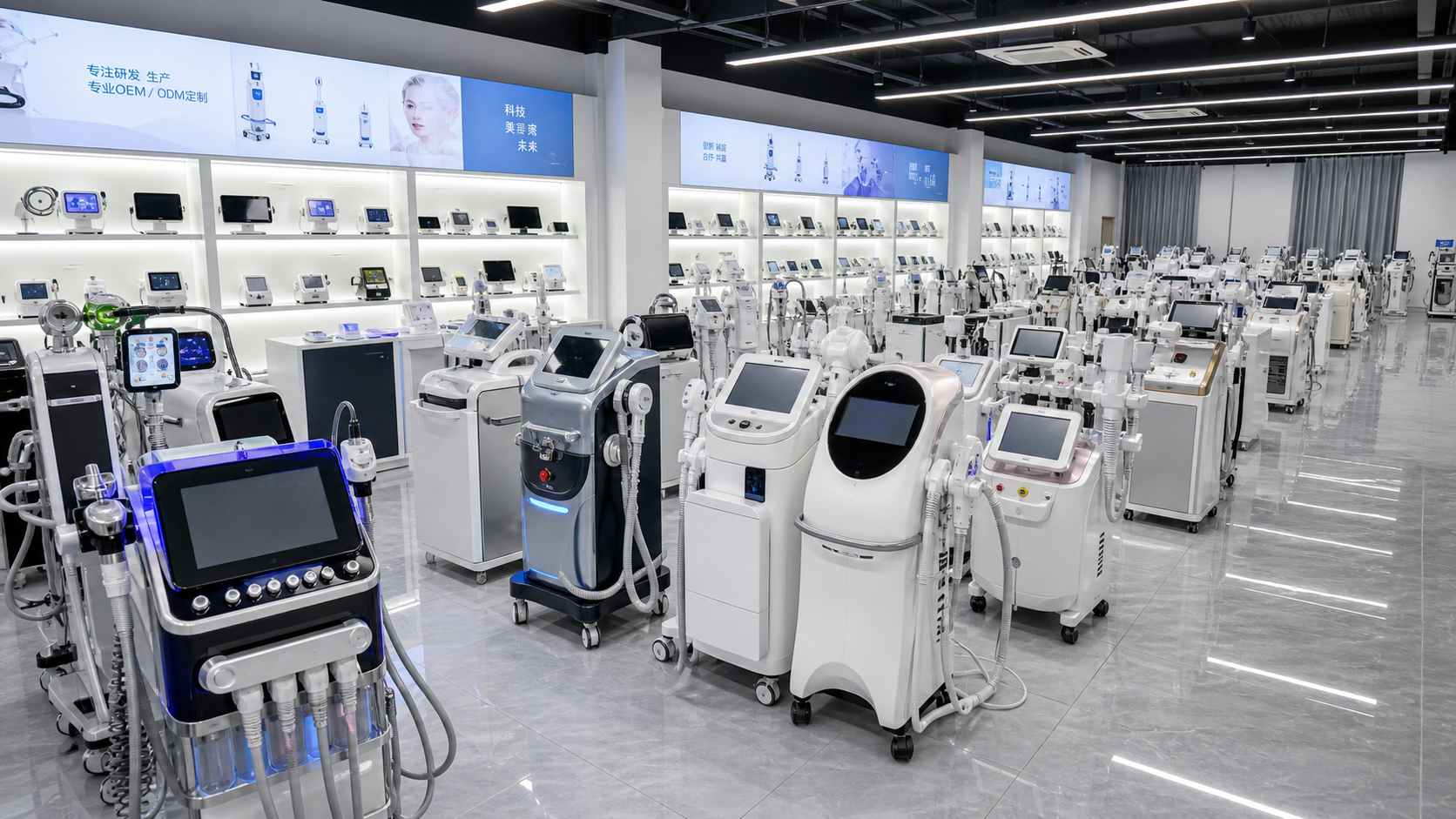
If you spend any time on the business side of TikTok, you'll have seen the videos. A creator wandering through a Guangzhou showroom, sweeping the camera across rows of laser machines, hydrafacial trolleys and cryolipolysis units. Prices flashed up that are a fifth, sometimes a tenth, of what you'd pay a UK distributor. It's good content but for any practitioner who acts on it, it is also some of the most expensive advice on the platform.
The pitch always rests on the price comparison and ignores everything else. It ignores the regulatory framework that turns the buyer into a manufacturer. It ignores the insurance conditions that quietly make the cheap kit uninsurable in practice. And it ignores the long tail of liability that lands on the practitioner, never the influencer, when something goes wrong on a treatment bed.
Becoming a legal “importer”
Here is the part the factory-tour videos don't mention. The moment a piece of capital equipment crosses a UK border with you named on the paperwork, you become the legal "importer," and under UK law this means you take on nearly all the obligations of the manufacturer.
You become responsible for making sure the machine complies with the UK Supply of Machinery (Safety) Regulations, the Electrical Equipment (Safety) Regulations 2016, the Electromagnetic Compatibility Regulations 2016, and depending on what the device does, the UK Medical Devices Regulations 2002. You must hold a Technical File and Declaration of Conformity to evidence that compliance, and produce them to market surveillance authorities on request. You must keep that file for ten years.
If the device is a medical device (and the MHRA is steadily widening that net to take in more aesthetic kit, with dermal fillers, certain energy-based devices and other "non-medical" products being pulled into scope), it must also be registered with the MHRA before you put it into service. A Chinese manufacturer cannot legally hold the UK technical file for you. You either do it yourself or appoint a UK Responsible Person, and that costs real money every year.
The Insurance problem
Most practitioners assume that if they have salon insurance and a treatment risk policy, they are covered. But here’s the catch - if you read the policy wording on a laser or IPL endorsement, you will find a list of conditions that excludes most direct-from-factory imports.
Insurers writing laser and IPL cover in the UK typically require, before they will attach the treatment to your policy:
A CE-marked machine with a four-digit notified body number. The four digits matter, because they identify the actual conformity assessment body that tested the device. A bare "CE" mark applied at the factory, with no number, is self-declaration only, and for higher-risk equipment it isn't enough.
Documented training delivered by the manufacturer or its authorised representative. Not a generic Level 4 course. Manufacturer-specific training on the actual device.
A current service report from a competent engineer, dated within the last twelve months.
A Level 4 Laser and IPL qualification plus Core of Knowledge.
Buy a machine direct from a factory in Shenzhen and you can probably tick the Level 4 box. You cannot get UK-recognised manufacturer training, because there is no UK-recognised manufacturer. You will struggle to find an engineer prepared to put their name on a service certificate for an unbranded import. The CE mark on the casing, assuming it is genuine, usually has no four-digit number against it.
In practice, the insurer takes the premium and the gap only surfaces at the point of claim. A client comes back with blistering, pigment damage or a burn. Typical settlement on a single IPL burn case in the UK is around £15,000, and treatment-risk policies are written with £1 million to £5 million limits because catastrophic claims do happen. The insurer asks for the manufacturer training certificate and the service history, and you don't have either. The claim is declined for breach of policy condition. The client's solicitor sues you personally, and the regulatory non-compliance is taken as evidence of negligence.
What does the CE Mark mean?
Practitioners often assume a CE sticker means the device has been independently tested and approved. For most categories of equipment, it doesn't. CE is a self-declaration by the manufacturer that the product meets the relevant directives. Where third-party assessment is required (and it is required for higher-risk medical and energy-based devices), the four-digit number of the notified body sits next to the CE letters. No number, no third-party testing.
There is also a well-documented problem with counterfeit or misused CE marks on goods exported from China. Whether or not you buy the so-called "China Export" theory (which the EU itself disputes as an urban myth), the practical reality is the same. A CE mark applied in a factory in Guangdong is not, on its own, evidence that anything was tested against EN standards. Compliance specialists routinely warn that counterfeit certifications are a known risk on Chinese aesthetic and electrical imports.
For sale into Great Britain, UKCA marking is the domestic equivalent, and an EU notified body cannot issue a UKCA certificate for higher-risk devices. Even paperwork that looks immaculate for the EU may not meet UK requirements once the remaining transition periods end.
For anyone running a clinic, the documentary trail required to operate legally is getting longer. Licensing authorities will start asking for evidence of provenance, testing, training, servicing and prescribing oversight, and that evidence is a great deal harder to produce if your machines came in a crate from a factory you found on TikTok.
The real price comparison is not £900 against £4,500 for the machine. It is £900 plus a UK Responsible Person, plus MHRA registration where applicable, plus an engineer willing to commission and service the unit, plus the cost of a defended claim if your insurer walks away. Set that against £4,500 for a UKCA-marked machine from a UK distributor with manufacturer training, a warranty enforceable in an English court, a serviceable supply chain and a policy that pays out.
When you cost it properly, the TikTok maths stops working. And the practitioners holding the bag at the end of it are the ones who never appeared in the videos.

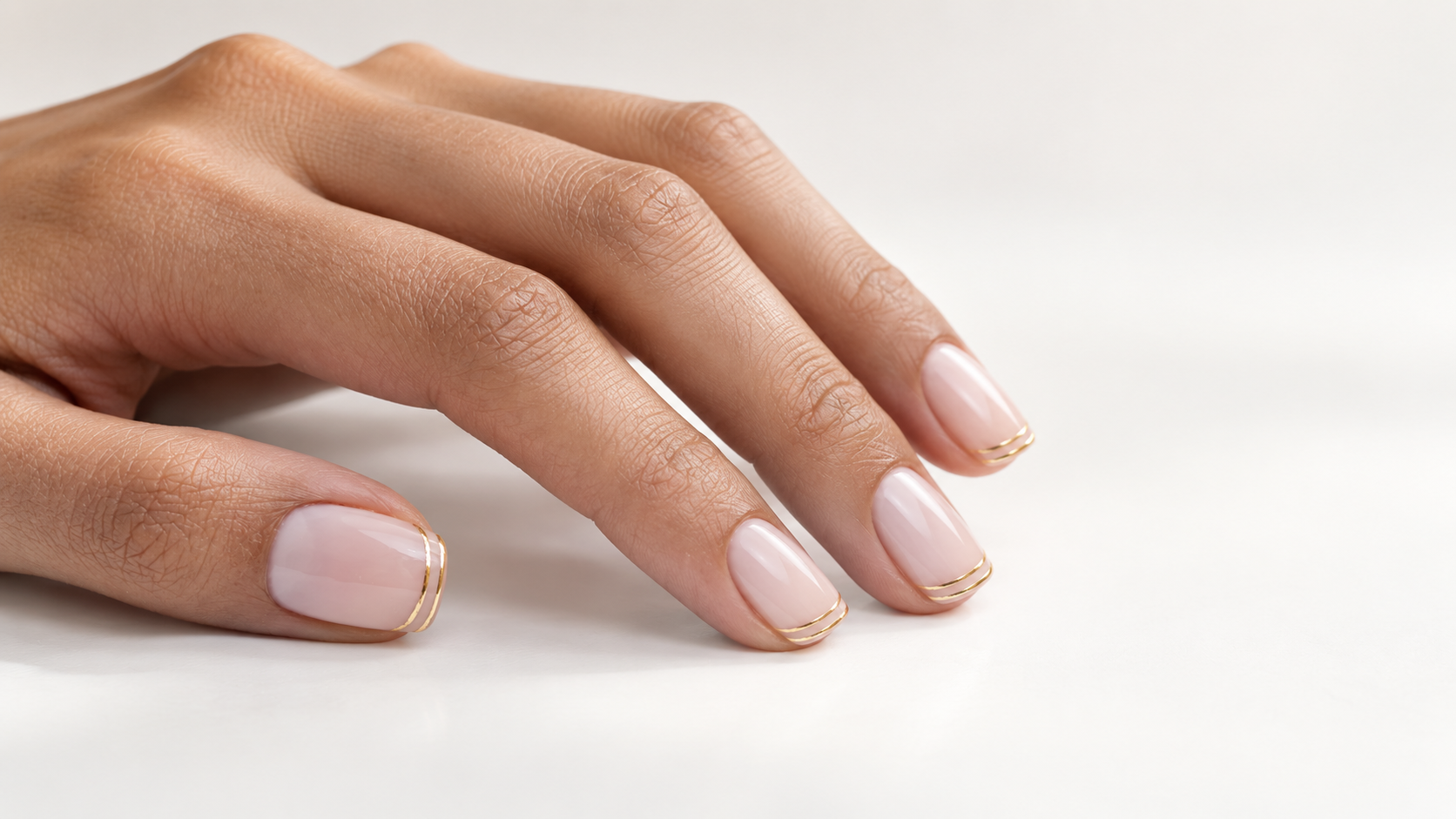







Joe Hill’s latest colour forecast keeps the depth associated with autumn, then brings back the light with mocha chocolate, precisely placed gold and a finish designed to glow.