
What Today's Spa Consumer Really Wants

With more than 18 years’ experience in senior hotel spa and wellness leadership, Lesley Bacon is Spa & Wellness Director at Good Spa Guide and a former Hotel Cateys Spa Professional of the Year. Here, she explores what today’s increasingly informed spa consumer really wants and shares how operators can deliver greater personalisation, meaningful value and a seamless guest experience.
Today’s spa consumer wants three things above all: authenticity, personalisation and value for money. They’re no longer satisfied with a generic treatment menu or a one-size-fits-all experience. They want their visit to feel genuinely built around them, and they want to leave feeling that what they’ve paid for has delivered something meaningful.
The modern spa guest is also more informed than ever. They’re researching treatments, reading reviews, comparing facilities and looking at what other spas are offering before they even arrive. As a result, expectations have changed significantly. Guests aren’t simply looking for somewhere attractive to relax; they want an experience that feels considered, relevant and worth their time and money.
This is something we see reflected in the Good Spa Guide Awards, where the spas that consistently stand out are those that deliver excellence across the entire guest journey, rather than relying on one impressive facility or treatment.
How expectations have evolved?
Consumers are far more spa-literate than they used to be. Many guests have visited a number of different spas, from hotel and destination spas to smaller day spas, and they arrive with a genuine benchmark for what good looks like.
That means the treatment itself is only one part of the experience. There’s a growing expectation of downtime too - some kind of wet, thermal or heat facility where guests can properly switch off before or after their treatment. It doesn’t necessarily need to be an extensive offering with multiple pools, saunas and steam rooms. What matters is that there is somewhere for the guest to pause, relax and enjoy the feeling of being away from their everyday routine.
For many consumers, that sense of escape is now part of what they are paying for. If a guest has travelled to a spa, they don’t necessarily want to arrive, have a 50-minute treatment and immediately leave. They want to feel that they have had an experience.
We’re also seeing a shift in who is visiting spas. Solo spa visits are becoming increasingly normal, alongside couples and small groups of friends. Each of these audiences has slightly different expectations. A solo guest may value peace, quiet and personal attention, while a group may be looking for social connection and shared experiences. Couples may want privacy or treatments that feel more indulgent and special.
The important point for operators is that there is no longer one typical spa consumer.
Across all these audiences, however, there is a sharper focus on value. Value doesn’t simply mean price. Consumers are asking: What am I actually getting for my money? What will this treatment do for me? And will I feel a difference afterwards?
That is changing the conversation around treatments. Consumers are becoming more interested in the purpose and benefit behind an experience, rather than simply choosing something because it sounds luxurious.
Personalisation is no longer a buzzword
Personalisation remains one of the defining trends in spa, but it has moved far beyond simply asking a guest whether they have any injuries or preferences before a treatment.
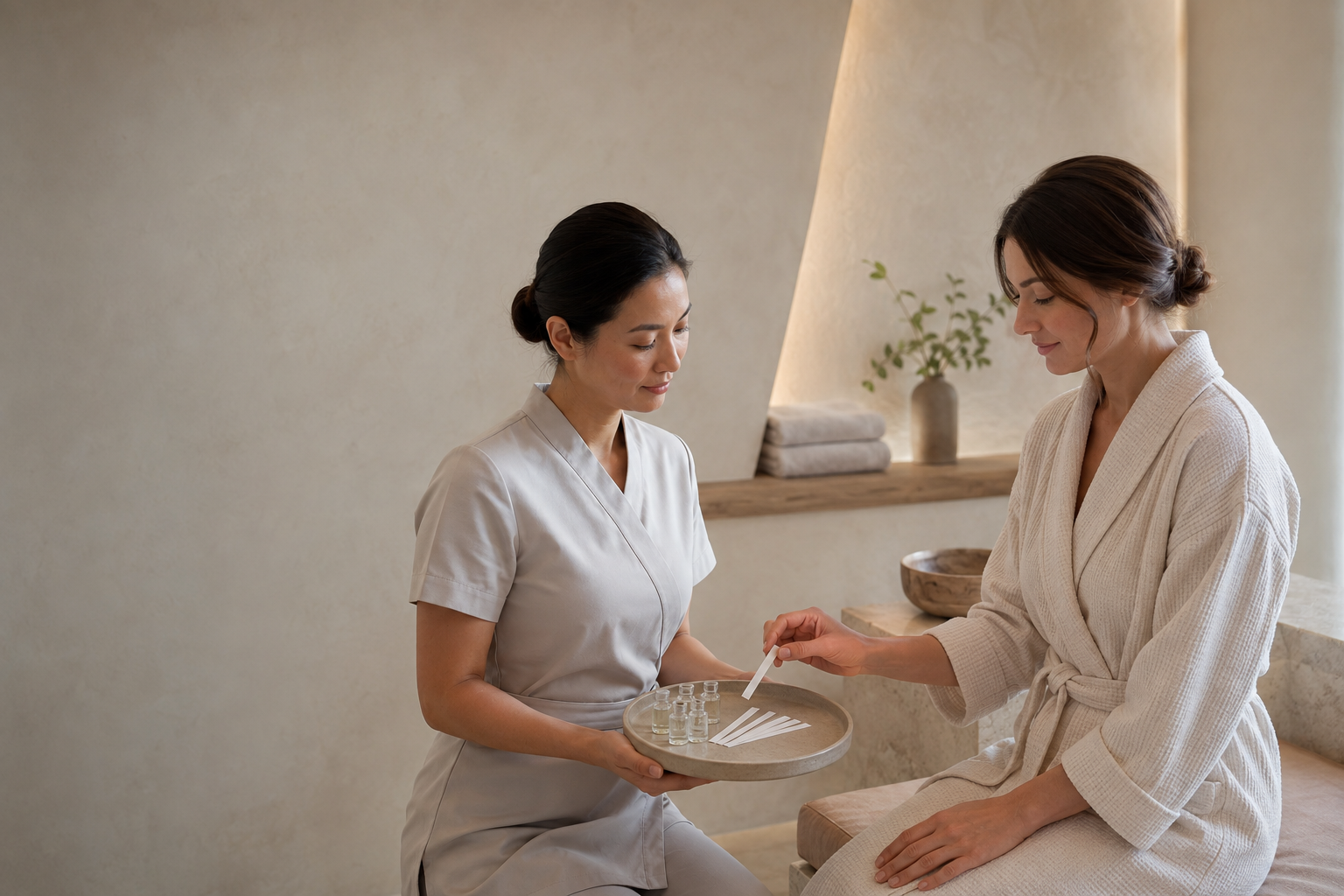
The best spas are using the consultation as the foundation for the entire experience. The information a guest provides should genuinely influence what happens next - from the treatment time and techniques used to the pressure applied, products selected and recommendations made afterwards.
Even smaller details can make a significant difference. Perhaps the guest has mentioned that they are feeling particularly stressed, struggling to switch off or have had a difficult week. That information should inform the experience. It might influence the pace of the treatment, the products used, the herbal tea offered afterwards or the aftercare advice provided.
These details may seem small individually, but collectively they make an experience feel personal.
That is the shift we’re seeing: away from a fixed programme towards a moment created specifically for the individual.
A guest should never feel that they are simply the next person on the treatment schedule. They should feel listened to.
What operators can do to respond?
The strongest response starts the moment a guest arrives.
Check-in is often an overlooked opportunity to add value. Operators who take the time to properly welcome guests, explain what is available and, importantly, explain why different facilities or experiences might benefit them are already creating a more personalised experience.
For example, rather than simply telling someone that a sauna or thermal experience is available, explain what it is designed to do and how they might incorporate it into their visit. This gives the guest confidence and makes the experience feel more purposeful.
That same approach should continue throughout the visit. The consultation needs to be more than a formality or a box-ticking exercise before a standard treatment begins. It should be a genuine conversation.
If a guest has specifically come to address tension, poor sleep, stress or simply to have uninterrupted time for themselves, the therapist should be able to respond accordingly. The treatment should feel like the answer to that conversation.
Aftercare is another important part of this journey. A guest should leave with something useful, whether that is advice on hydration, simple stretches, skincare recommendations, breathing techniques or guidance on how to maintain the benefits of their treatment at home.
This also creates an opportunity for spas to demonstrate expertise without making the guest feel they are being sold to.
Value means more than a price tag
One of the biggest misconceptions around value is that consumers are simply looking for cheaper experiences. In reality, people are often willing to pay more when they understand what they are getting in return.
A treatment can feel like excellent value if the guest feels listened to, receives a genuinely tailored experience, and leaves feeling noticeably better. Conversely, a cheaper treatment can feel expensive if it is rushed, generic or fails to meet expectations.
For operators, this means communicating the value of an experience clearly. Consumers want to understand what makes a treatment different, what benefits it can offer and why it is worth their investment.
It also means being honest. Authenticity matters. Overpromising results or using overly complicated language can undermine trust. Today’s consumer is sophisticated enough to recognise when something feels like marketing rather than genuine expertise.
The Good Spa Guide Awards are a useful reminder of this. Recognition is ultimately about delivering an experience that meets, and ideally exceeds, the expectations of the modern spa consumer. It is the combination of service, facilities, treatments, expertise and those all-important personal touches that creates loyalty and turns a first-time visitor into a returning guest.
The details make the difference
Ultimately, the spas that stand out are often those that get the small things right.
A warm welcome. A thoughtful consultation. A therapist who remembers something the guest has said. A treatment that is genuinely adapted rather than delivered exactly the same way every time. A cup of tea chosen with the guest in mind. Clear aftercare advice. A calm space where they can take a few minutes before returning to everyday life.
None of these things necessarily require a huge investment. They require attention.
This is why the spas recognised by the Good Spa Guide Awards can provide such a valuable benchmark for the wider industry. The strongest operators understand that the guest experience is not created by one department or one treatment.
The experience doesn’t feel like a series of separate processes; it feels like one seamless journey designed around the guest.
That is increasingly what today’s spa consumer expects.
The future of spa isn’t necessarily about bigger facilities, more treatments or increasingly elaborate experiences. It is about exceptional moments - ones that feel authentic, personal and purposeful.
Consumers want to feel that their time matters. They want to feel understood rather than processed. And above all, they want to leave feeling that the experience genuinely did something for them.
For operators, that presents both a challenge and an opportunity. The spas that succeed, and those that ultimately earn the recognition of programmes such as the Good Spa Guide Awards, will be those that move beyond simply delivering a service and focus instead on creating a meaningful experience.






Katie Hughes-Dawkins writes candidly about the pressures and rewards of leadership in aesthetics, drawing on two decades of experience building teams and running businesses. From hiring the right people to accepting that you won’t always be liked, she shares the lessons that have shaped her approach, including why kindness matters and when it’s time to put your own wellbeing first.