
Why Scent Can Make or Break the Salon, Spa and Hotel Experience
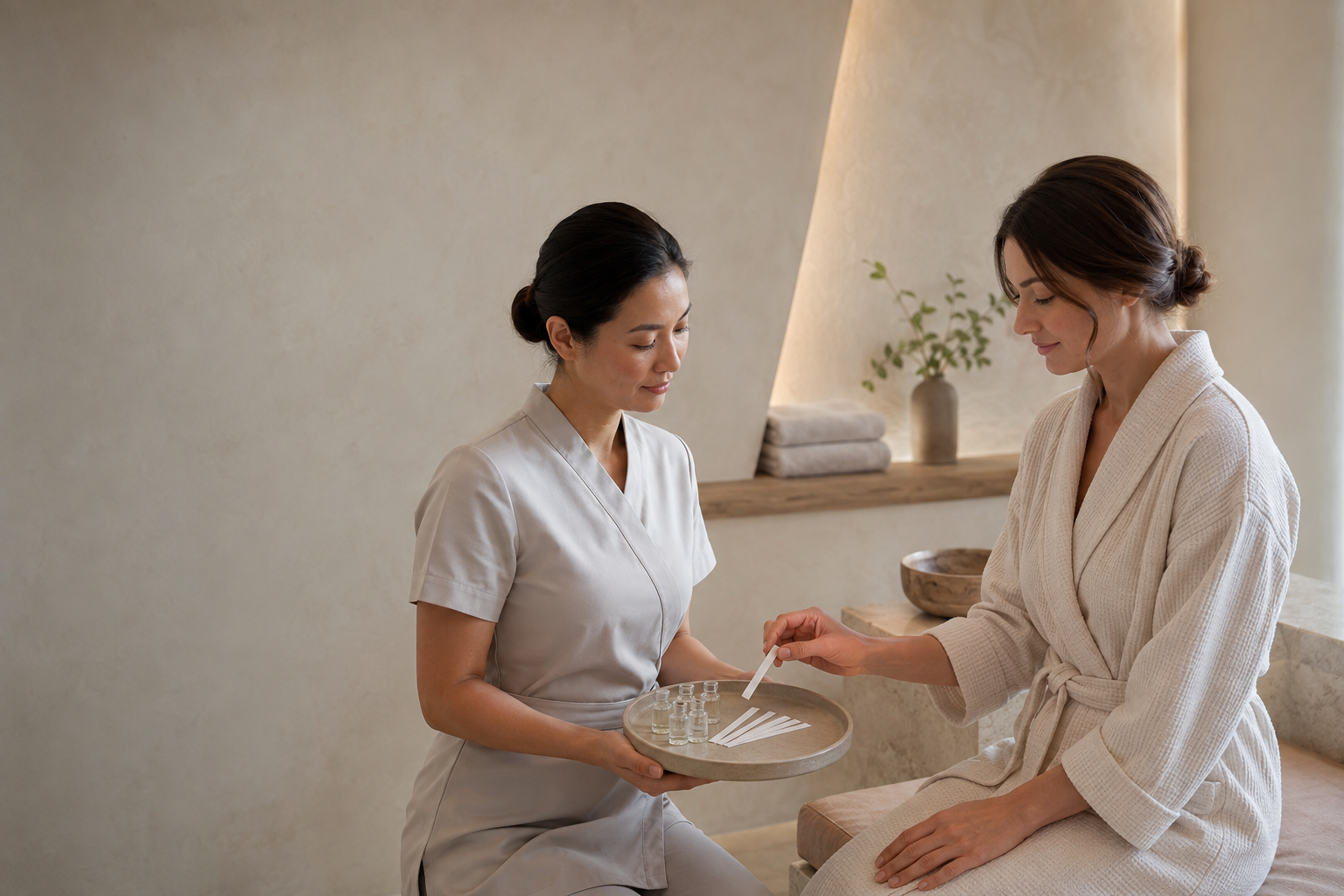
As Floral Street moves into hospitality, founder Michelle Feeney explains why fragrance deserves the same consideration as lighting, music and interiors, and why restraint is often the difference between a memorable scent and an overwhelming one.
Beauty and hospitality businesses devote considerable thought to the way a space looks. Lighting is adjusted, music is chosen and every surface is considered, yet fragrance can still be treated as a finishing touch rather than part of the experience itself. A client, however, begins forming an impression from the moment they enter, and the way a room smells can influence whether it feels calming, polished, clinical, energising or simply overpowering. It is a subject Floral Street is exploring more closely following its move into hospitality. The independent British fragrance brand has partnered with hotel amenities specialist Groupe GM to create its first exclusive hotel collection, bringing its Electric Rhubarb fragrance into hand wash, body wash, shampoo, conditioner, hand and body lotion, and soap.
The range has been developed with formulas containing up to 98% natural-origin ingredients, alongside Groupe GM’s refillable Ecofill dispenser system. For Floral Street founder Michelle Feeney, the partnership offered a way to introduce the brand to hotel guests while retaining the environmental principles on which it was built.
“When I founded Floral Street, it was always intended to be a lifestyle brand with roots firmly set in sustainability. The opportunity came to work with Groupe GM they not only recognised our beautiful scents but also our appreciation for environment. Groupe GM have a patented refillable technology, so the partnership is perfect. Fragrance in hospitality has become important for brands as we can encourage a sampling and branding opportunity with new audiences but also for the hotels who associate with a great scent experience and also great brand!!”
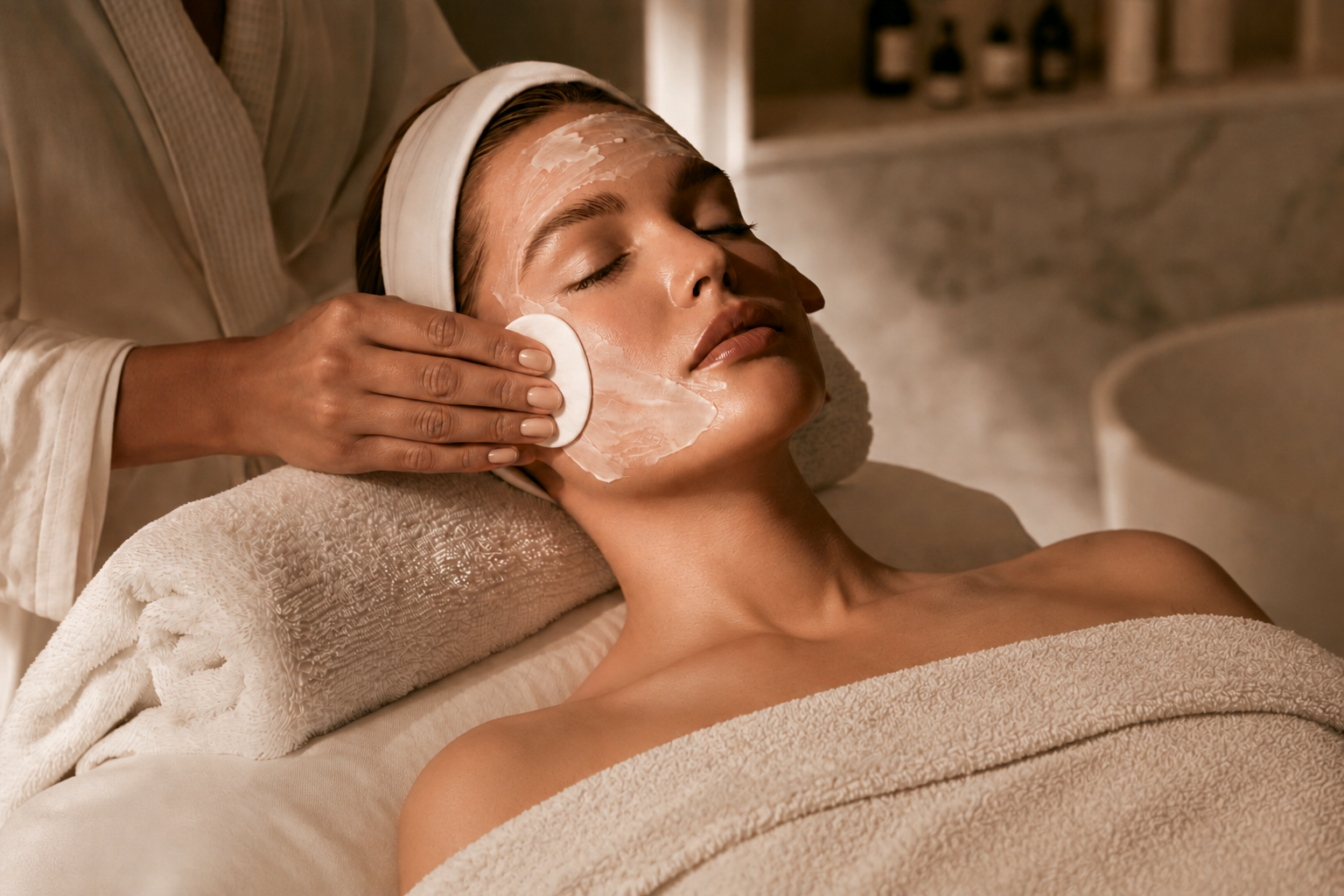
For salons and spas, choosing a fragrance should begin with the experience the business is trying to create, rather than whichever note or perfume happens to be fashionable. The scent used in a lively blow-dry bar might feel completely out of place in a treatment room where clients are expected to switch off, while a clinical skin or aesthetics setting may call for something much cleaner and more restrained.
“Sense of smell is the keenest sense we possess so that first experience is crucial - if the scent of a room is wrong it will overshadow the client experience.”
This makes scent a business decision as much as a decorative one. A signature fragrance should make sense alongside the services, interiors and personality of the brand. If the promise is rest and restoration, an intensely sweet or food-like fragrance could work against it, however appealing it may be in isolation.
“This really should be a very considered choice as the scent of a room can make or break a first experience. I would choose fragrances that best represent the experience. In a spa one expects to be relaxed and de-stressed so softer more natural notes would be preferable rather than a full-on gourmand or a fruity floral.”
The challenge is to decide how the client should feel before choosing what the space should smell like; fragrance needs to be assessed in the room where it will actually be used, taking account of its size, ventilation and the other aromas already present. Hair products, cleaning products, treatment oils and freshly laundered towels may all compete with a diffuser that seemed perfectly subtle when tested elsewhere. A recognisable scent can help a business develop its identity, but recognition does not require filling every corner of the building with fragrance. Heavy-handed diffusion can have the opposite effect, particularly when guests cannot move away from it.
Feeney draws an important distinction between fragrance forced into the atmosphere and scent encountered through products that a guest chooses to use.
“I am not the expert on this and I have encountered specialist companies or experts that create signature scents for retailers or hotels, they can probably demonstrate that the scent initially draws the customer in. Again, certain notes can be used to enliven the senses and combined with music in a store can help the consumer dwell a little longer and/or be more open to what they are seeing. Personally, I find many scents that are ‘pumped’ into the atmosphere overwhelming especially in hotel Lobby’s. and they can be cloying which means I can’t get the smell out of my clothes!! However, the in-room experience which is more personal via toiletries I find thrilling and also these can help create a scent memory of a trip.”
A fragrance experienced through a hand wash, body lotion, hot towel or treatment product allows the client to engage with it in a more personal way. It can also provide a natural link between the treatment and the retail shelf, giving clients a product through which they can recall the experience once they are home. The most effective scent may therefore be the one a client discovers gradually, rather than the one they can smell before reaching reception. Concentration should be tested during a full working day, not simply for a few minutes after a diffuser is switched on. Staff feedback matters too, since therapists and reception teams will spend far longer in the fragranced environment than any individual client.
Where smaller salons and spas can begin
Hotels and larger venues may install built-in scent systems that adjust fragrance according to the room or time of day, but a smaller business does not need complex equipment to begin thinking more deliberately about scent.
“With modern technology the options are endless many establish build systems into the space with the options to deliver different fragrance at different times of the day which is very exciting. Smaller salons of spas also have lots of simple options to deliver scent with many small electric diffusers on the market. Candles are a no no as they can be delivering toxins if they are not sustainable but also are a fire hazard. It is also important to consider the staff and therapists in the environment and what they need to maintain focus and energy. Already the best therapists and spas offer a selection of cold or smells to choose from which means the entire scent experience is tailored to your needs. I have even been presented with a music menu in a spa in NYC!!!”
For an independent salon, the sensible starting point is one fragrance used at a low intensity in a defined area. It can then be tested with staff and regular clients before being introduced more widely. Businesses should also consider whether scent needs to remain consistent throughout the premises. Reception might support a subtle ambient fragrance, while treatment rooms may be better suited to a scent selected by the client or delivered through the products used during the service. Giving clients some control is especially valuable in wellness environments, where personal preference forms part of the treatment. A choice of aromas, like a choice of music or pressure level during a massage, turns fragrance into part of the consultation rather than an assumption imposed on every visitor.
Floral Street’s entry into hospitality reflects a wider opportunity for fragrance brands and professional beauty businesses. Toiletries and treatment products allow clients to experience a scent in context, when it is tied to a particular room, service or trip. If the fragrance is then available to purchase, that emotional association can continue beyond the visit. This gives brands an option to choose a fragrance that belongs in the space, introduce it with enough restraint that clients can still breathe comfortably, and carry it consistently through the details that matter. When scent complements the service rather than competing with it, it can become one of the most memorable parts of the visit.




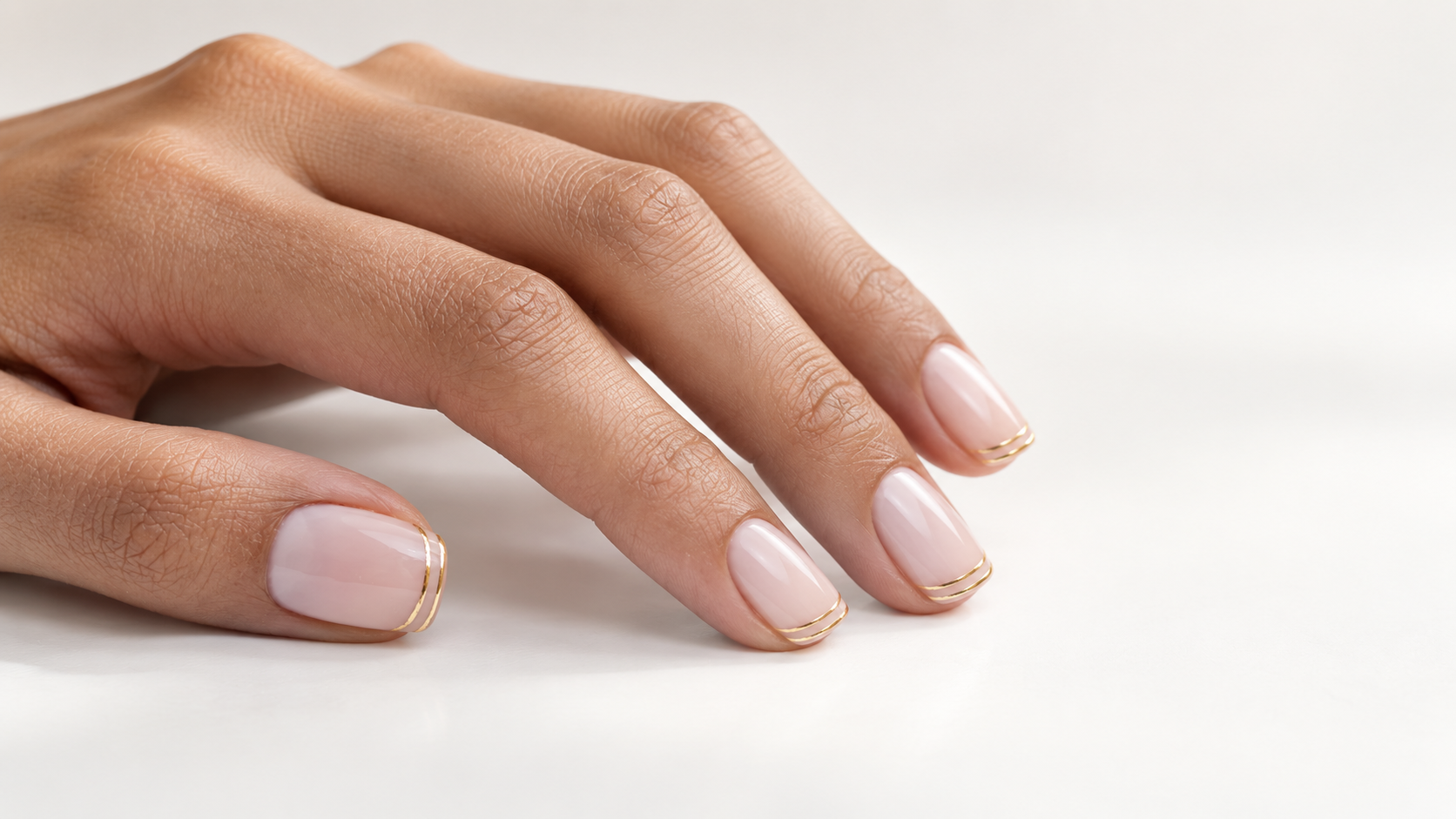

Their precise finish and promises of lasting wear have made Ukrainian and Russian manicures objects of fascination. Understanding the appeal starts with separating the treatment names from the techniques, and knowing where meticulous preparation should stop.