
How To Store Products and Stock During the Heatwave
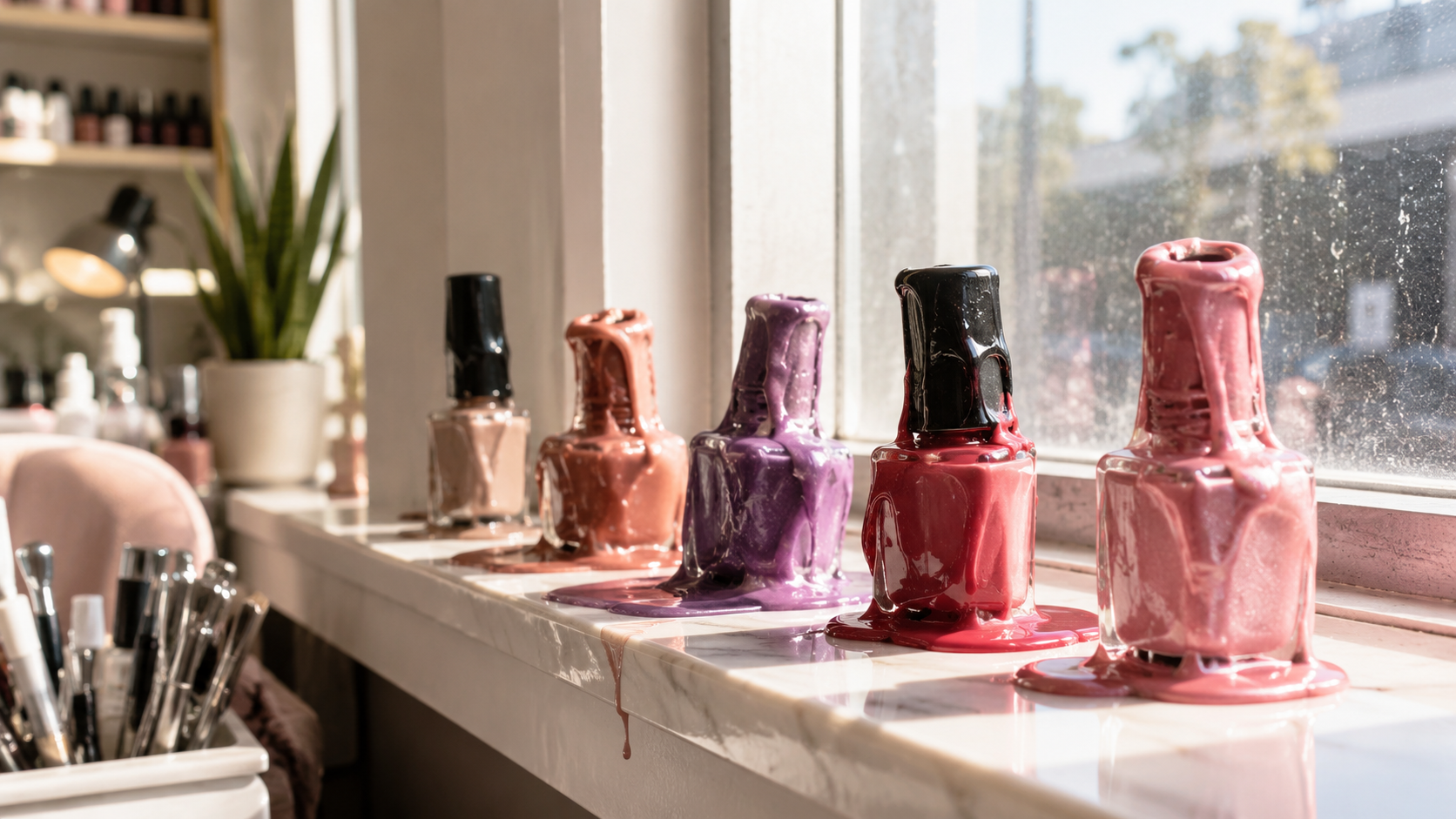
Whether you love or hate the heatwaves, either way you will be facing the same issue - how should you safely store your stock and products you work on? Heat does more than make products uncomfortable to use. In professional environments, high temperatures can alter viscosity, accelerate oxidation, affect preservatives, destabilise active ingredients and increase the risk around flammable liquids. As a general rule, cosmetics and professional products should be stored in a cool, dry, dark place, ideally at a stable room temperature between 15°C to 25°C which is the preferred range for cosmetics, gel polish and UV gels, with heat and temperature fluctuations being key causes of formula degradation.
As a key rule, beauty professionals should move stock away from windows, treatment couches in direct sunlight, radiators, towel warmers, roof lights, car boots, reception displays and rooms that become hot after closing. Products should be kept in closed cupboards, drawers, dispensary cabinets or a stockroom with the most stable temperature available. Avoid storing professional stock in bathrooms or humid treatment rooms where steam and temperature fluctuations can degrade products and encourage contamination.
A simple heatwave audit is worth doing at the start and end of every hot day. Check that lids are tightly closed, pumps are locked, jars are not left open, bottles are upright, and anything with changed smell, colour, separation, swelling, leaking, graininess, unusual thinning or thickening is quarantined rather than used on a client. A small room thermometer in the stock area is an inexpensive but useful control, especially during periods when indoor temperatures exceed 25°C.
Skincare, facial products and professional treatment stock
Professional skincare, peels, masks, serums and SPF should be protected from heat and light because active ingredients can oxidise or destabilise. Vitamin C, retinoids, acids, enzyme products, botanical formulations, antioxidant serums and SPF are especially heat sensitive. Dermalogica advises storing skincare in cool, dark places and notes that fridges can be useful for toners and masques. Amperna advises skincare should generally be stored under 30°C, with the coolest dark drawer or cupboard preferred.
Clinics should not automatically refrigerate every product. Some emulsions, peels, waxes or professional systems may separate or become too viscous if chilled. The safest approach is to follow the manufacturer’s storage instructions, usually printed on the packaging, carton or safety data sheet.
SPF and aftercare products
SPF should never be left on windowsills, in treatment rooms with strong sunlight, in cars, or in bags exposed to heat. Heat and sunlight can reduce sunscreen performance, and visible changes such as watery texture, separation, colour change or altered smell should trigger disposal rather than use. For salons retailing SPF, keep testers and retail units away from reception windows and replace testers that have been repeatedly handled or exposed to heat.
Nail products, gels and polish
Nail products are particularly vulnerable to heat because many rely on volatile solvents, photoinitiators or carefully balanced viscosities. Gel polish, UV gels, primers, base coats and top coats should be stored upright, tightly closed, in a cool, dark drawer or cabinet, away from direct sunlight and UV lamps. The recommended temperature for most polishes is 15°C to 25°C for gel polish and UV gels. Heat can cause thickening, solvent evaporation, separation, discolouration and premature degradation.
Nail technicians should avoid keeping gel polish beside a curing lamp, in a sunlit trolley, on a windowsill, or in a mobile kit left in the car. Bottles should be opened only briefly, wiped clean around the neck, and closed immediately after use. If gel has become stringy, unusually thick, grainy, lumpy, separated or difficult to cure, it should not be used professionally.
Acetone, monomer, cleansers and other flammable liquids
Heatwave storage is also a fire safety issue. Acetone, nail polish remover, alcohol based cleansers, spray disinfectants and some monomers can produce flammable vapours. HSE guidance states that flammable liquids needed for current work should be kept closed and stored in suitable fire resisting cabinets or bins designed to retain spills, located away from immediate work areas and escape routes where possible.
For nail bars specifically, COSHH guidance advises storing products securely in a cool, dry, dark place capable of retaining spills, replacing caps straight away, avoiding excess stock, and not storing more than 50 litres of flammable liquid indoors.
In practice, nail businesses should keep only the working quantity at the nail desk and store bulk acetone, alcohol and remover in a proper flammables cabinet, away from heat, direct sunlight, electrical equipment and ignition sources. Used pads soaked with acetone or nail product should go into a lined, lidded bin, not an open bin beside the workstation.
Hair colour, bleach and peroxide developers
Hair salons should pay particular attention to developers, bleach, toners and colour stock. Developers contain hydrogen peroxide, which is temperature sensitive. Bleach powders and lighteners should be kept tightly closed, dry and away from humidity because moisture can affect performance and safety. Mixed colour, bleach or developer should never be saved for later use. Some professional lightening systems also state that heat should not be applied during processing and that development times should not be exceeded.
For dispensaries, the practical advice is to keep colour stock and developers in a ventilated, cool, dry cupboard, away from windows, boiler rooms, towel cabinets and direct sun. Do not store peroxide developers in a hot back room or in a mobile hairdressing kit left in a vehicle. If developer bottles swell, leak, smell unusual, lose pressure integrity, or appear contaminated, they should be removed from use.
Wax, sugaring products and depilatory products
Wax and sugaring products should be kept away from direct heat before use. Heat can soften wax, alter texture, cause leakage and make portion control harder. During a heatwave, salons should keep unopened wax in a cool cupboard and only warm the amount required for service. Wax heaters should be monitored closely because already elevated room temperatures may alter the speed at which products soften. Products that separate, crystallise unexpectedly, smell different, or become contaminated should not be used.
Lash, brow and adhesive products
Lash adhesives, brow lamination systems, tint, lifting lotions and related products are sensitive to temperature and humidity. Heat and humidity can shorten adhesive life, change curing behaviour and affect treatment consistency. Store adhesives and treatment solutions according to the brand’s instructions, usually tightly closed, upright, away from light and heat. Treatment rooms should be ventilated and kept as stable as possible. Do not leave lash glue on a trolley in sunlight or beside a lamp.
Retail stock and reception displays
Retail stock should be treated as professional inventory and not left out as decoration. While a glass reception shelf or window display may look appealing, during a heatwave it can expose products to prolonged light and heat. SPF, vitamin C, fragrance, nail polish, oils, natural formulations and aerosols should be moved away from windows. Testers should be rotated more frequently and checked for contamination, separation and smell changes.
Mobile therapists and freelancers
Mobile therapists, session hair stylists and nail technicians should be particularly cautious. A parked car can become much hotter than the outside temperature. Do not leave gel polish, wax, skincare, SPF, tint, peroxide, acetone, lash glue or aerosols in a car between appointments. Use an insulated case for transport, keep products out of direct sun, and allow products to return to normal room temperature before use. Do not artificially heat or cool products to “fix” texture changes unless the manufacturer specifically allows it.
If products have been exposed to high heat, the safest professional response is to quarantine them, check the manufacturer’s storage instructions, inspect the packaging and product appearance, and contact the supplier if unsure. Do not use compromised products on clients, particularly acids, peels, SPF, lash and brow chemicals, colourants, peroxide, flammable liquids or products used around the eyes. Keep a note of any discarded stock for insurance, stock control and complaint prevention.
Store products between 15°C and 25°C where possible. Keep stock in a cool, dry, dark cupboard. Move products away from windows, treatment lamps, towel warmers and cars. Keep lids tightly closed and bottles upright. Store flammable liquids in appropriate fire resisting storage and keep only working quantities at the station. Do not use products that have separated, thickened, leaked, changed smell, changed colour or developed packaging damage. Check manufacturer instructions before refrigerating anything. Record and discard compromised stock rather than risking a client reaction or poor treatment result.

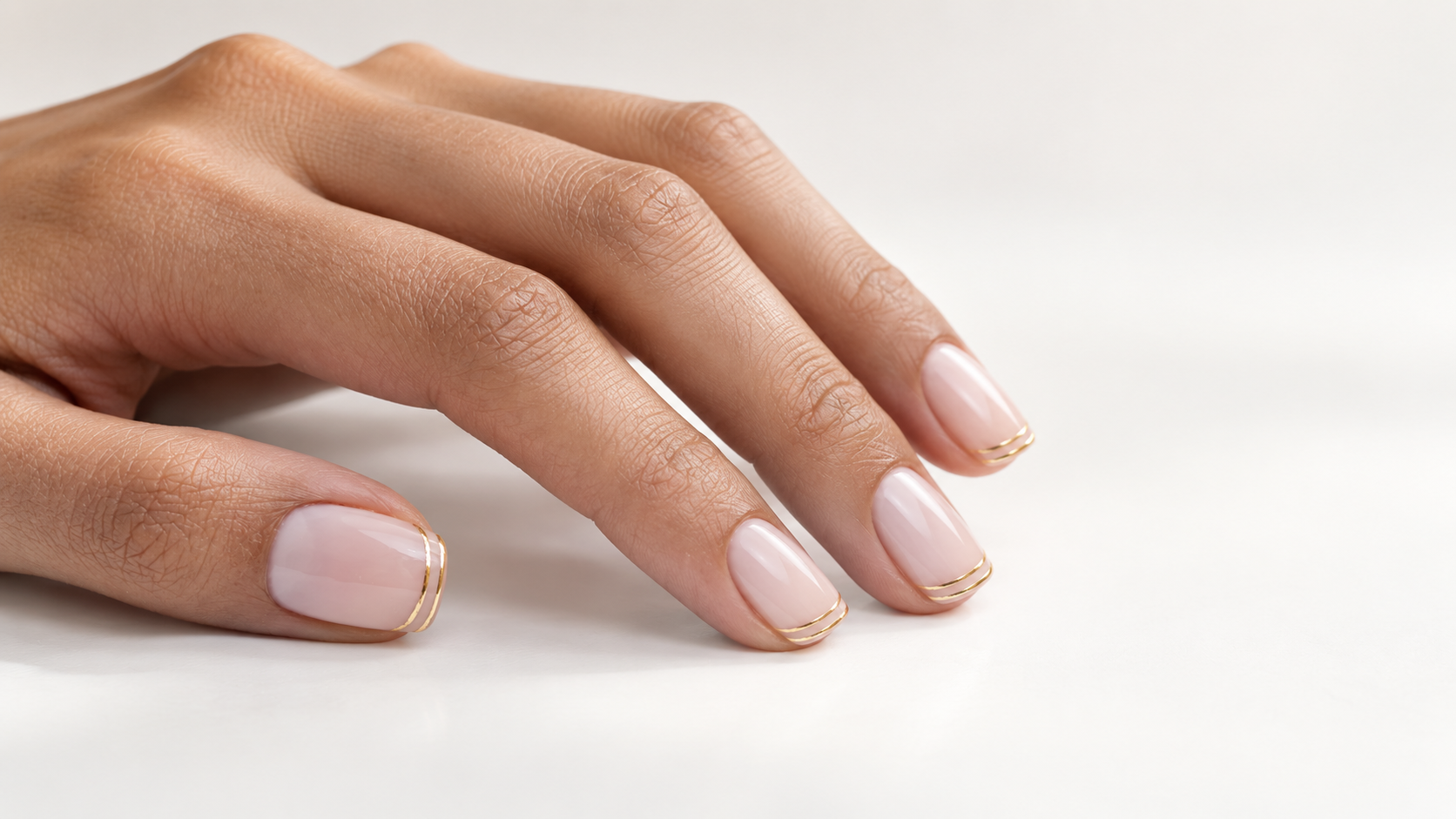






Joe Hill’s latest colour forecast keeps the depth associated with autumn, then brings back the light with mocha chocolate, precisely placed gold and a finish designed to glow.