
How To Choose The Right Skincare Brand For Your Spa
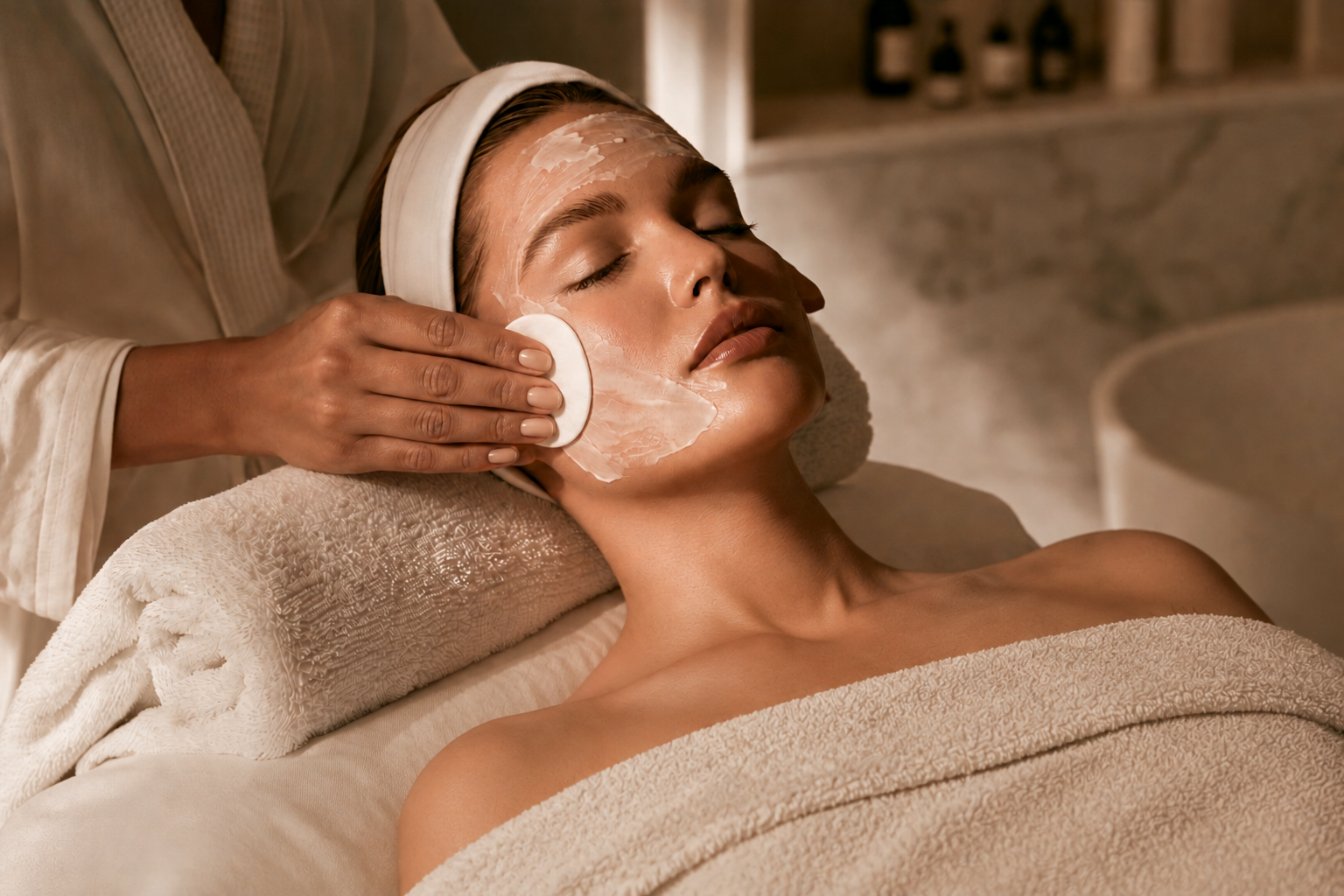
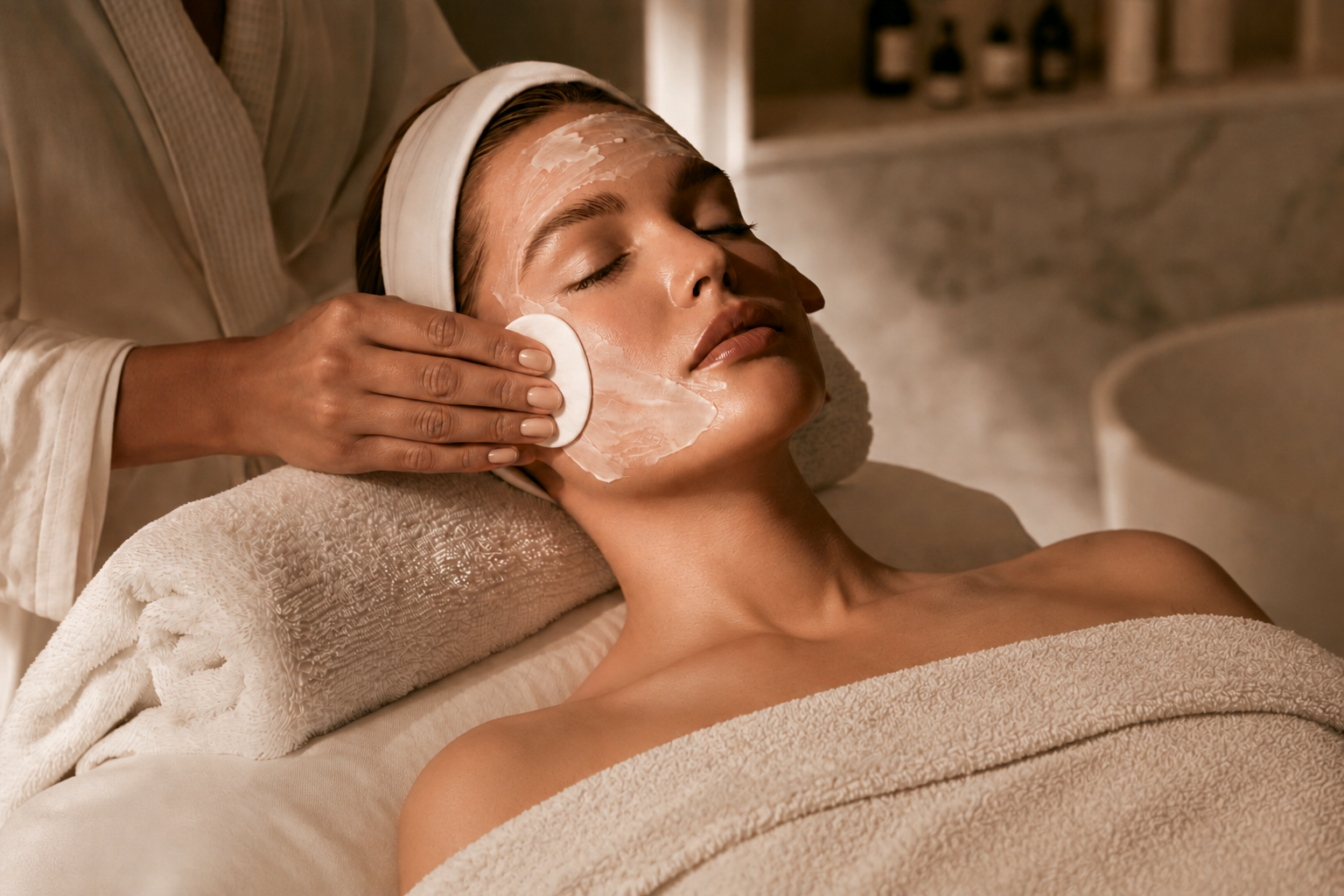
A skincare brand may arrive with an immaculate presentation, but the quality of the partnership is usually revealed later, when a therapist needs help, an order is delayed, the first operational problems surface or a guest discovers the products at a lower price online. Wildsmith Skin CEO Katherine Pye explains what spa operators should establish before signing.
A skincare partnership is at its most seductive on launch day. The shelves are immaculate, the treatment menus newly printed and the team gathered for its first training session, surrounded by the sort of polish that makes a new beginning feel assured. A more useful measure comes six months later, when a recently recruited therapist needs training, a hero product is unavailable or a guest wants to know why the moisturiser recommended at reception is considerably cheaper online. How the brand responds to those less photogenic moments tells an operator whether it has appointed a supplier or found a partner.
That distinction has become increasingly important as skincare reaches into almost every part of the spa experience. The range informs the consultation, the therapist’s language and confidence, the treatment itself, the retail offer and, often, the guest’s wider impression of the property. The familiar package of professional products, a handful of protocols and an introductory training day is no longer enough to support all of that.
Katherine Pye, CEO of Wildsmith Skin, has observed this shift from several positions within the industry. Before taking the helm at Wildsmith, where she is overseeing the brand’s expansion through British hospitality and wellbeing, her career included senior roles at The Body Shop, Neal’s Yard Remedies and Bamford.
“The relationship has become far more collaborative. A strong brand partner should contribute ongoing education, commercial insight and treatment evolution, while helping shape a coherent guest journey beyond the treatment room. It should remain close to practitioners, listen to feedback and support the spa as its needs, team and audience evolve.”
For a spa operator, this widens the scope of the questions that need to be asked before any agreement is signed. There should be a clear plan for supporting therapists after the initial training, refreshing their education and helping the team adjust a treatment when it is not quite working. The brand also needs to understand the commercial pressures of the spa, although that understanding should amount to more than a succession of conversations about targets.
Begin with the spa itself
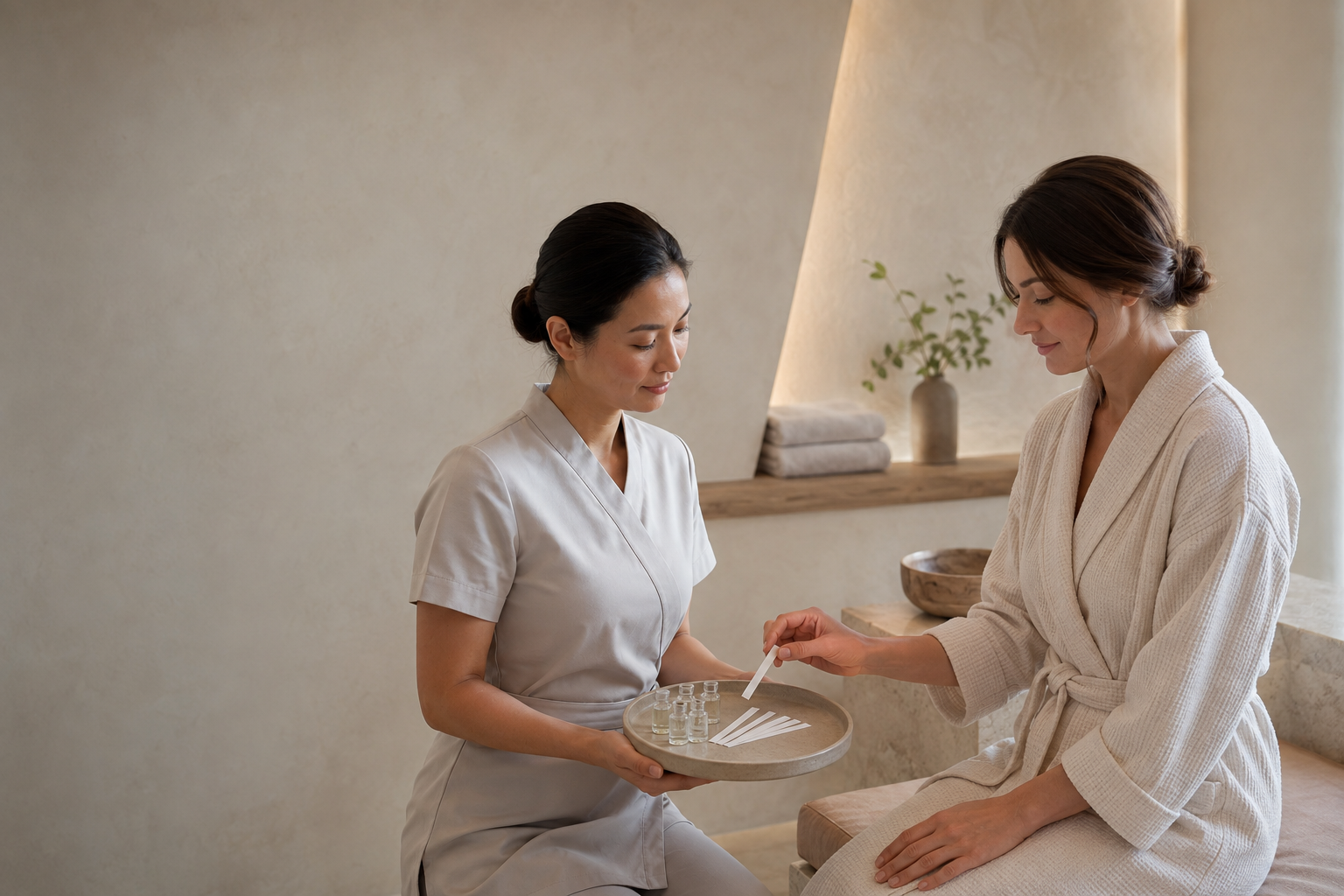
Brand presentations are designed to make desire feel like strategy. A persuasive founder story, handsome packaging and a treatment menu that arrives almost ready to print can all be compelling, but the first conversation belongs inside the spa. Operators need to be precise about who their guests are, what brings them through the door and how they hope to feel when they leave. They also need an honest view of how much time the team has for consultation, whether retail is already part of the culture and how comfortable therapists feel about recommending products for use at home. The answers will vary considerably from one property to another. A country house retreat centred on rest and reconnection has different requirements from a busy urban spa promising visible results within an hour, while a hotel with several treatment rooms and frequent recruitment will need a more responsive training structure than a small, owner-led business with a settled team.
Pye recommends testing the attraction of the brand against the realities of the operation:
“Begin with the spa’s purpose, guest and operational reality, then assess whether the brand can strengthen all three. Genuine alignment shows up in formulation standards, responsible practice, training quality and behaviour over time—not simply in presentation. I would speak to existing partners and examine how the brand responds when circumstances are complex”
Existing accounts can provide the sort of detail that rarely makes it into a pitch and help you understand how the relationship works in practice. How quickly does the brand respond when stock is unavailable? Can educators still be reached once the launch period has passed, and how readily will they return when new therapists join? Speaking to several partners, including one that has experienced a difficult period, should give a clearer picture of how the relationship behaves under pressure.
How much does brand recognition matter?
There are sound reasons for choosing a name the guest already knows. Recognition can lend a new spa immediate credibility, reassure a first-time visitor and make the retail conversation easier for a therapist who is still finding their confidence. For hotels, a familiar brand may also attract guests who use the products at home and want to experience the corresponding professional treatment.
The drawback is that familiarity can be mistaken for suitability. A widely recognised range may carry less meaning within the property than a smaller brand whose formulas, philosophy and treatment style feel properly connected to the setting. Pye believes relevance has a greater bearing on the longevity of the partnership than recognition alone.
“Recognition can reassure guests, but it is not a substitute for relevance. A lesser-known brand with credible efficacy, a distinctive point of view and genuine philosophical fit can create greater long-term value. If the partnership feels considered and the team believes in it, guests will understand the proposition—and recognition can grow through experience.”
For an emerging brand, the treatment room can make a persuasive introduction. The guest does not need to recognise every bottle before lying down, provided the therapist can explain why the products were chosen and the experience supports that recommendation. Recognition then develops through the treatment itself, rather than being borrowed from an advertising campaign.
Therapist conviction is central to this. Guests tend to notice when a recommendation has been learnt by rote, particularly at the end of a treatment that has otherwise felt personal. Before committing to a range, operators should give the people who will use it enough time to handle the products, question the protocols, experience the treatments and offer candid feedback. A partnership agreed in the boardroom still has to make sense in the therapist’s hands.
Look beyond the headline margin
On paper, a skincare partnership can appear reassuringly simple, with wholesale prices set against recommended retail margins and projected treatment revenue. The details that determine whether those figures are achievable usually sit elsewhere in the proposal. Opening orders should reflect the size of the spa, the space available for storage and a realistic treatment volume, while minimum orders, lead times, tester allowances, professional-use costs and the policy on online promotions all need to be understood in advance.
The same scrutiny should be applied to education. If a therapist leaves, is replacement training included? Will an educator travel to the property, and what support can the team access between visits? A convincing margin loses some of its shine when the spa has to absorb unplanned training fees or hold more stock than it can reasonably use or sell.
For Pye, the mistake is to allow either prestige or the headline figures to decide the matter:
“The most common mistake is choosing on reputation or margin alone, without testing operational fit. Warning signs include unclear terms, unrealistic opening orders, weak educator support, frequent discounting and little evidence behind claims. Operators should also question whether the brand can maintain supply, sustain training and support both treatment performance and retail conversion.”
Discounting is particularly difficult for spas because it undermines the value of the recommendation at the point it is made. A therapist may spend an hour assessing a guest’s skin and explaining a carefully chosen homecare routine, only for the guest to find the same products reduced online that evening. If promotions are frequent, full-price retail becomes difficult to defend and customers soon learn that waiting is likely to be rewarded.
Retail conversion, meanwhile, is rarely improved by placing a target above the reception desk. It follows more naturally from a treatment in which the therapist understands what has been used, why it was selected and how the guest can continue caring for their skin at home. The brand should help the team develop enough knowledge to make that conversation useful, without allowing the final minutes of a restorative experience to acquire the atmosphere of a sales pitch.
The partnership should belong to the property
Wildsmith’s recent partnerships with Fairmont Cheshire, The Mere and Wilderness Reserve show how one skincare brand can work within properties that have markedly different identities. Pye says Wildsmith is not searching for spas that resemble one another, but for businesses with a serious commitment to wellbeing and a management team prepared to invest in the relationship.
“We look for partners with a clear identity, thoughtful leadership and a genuine commitment to guest wellbeing. At Fairmont Cheshire, for example, its ‘Wellness Without Walls’ philosophy aligned naturally with our aim to extend wellbeing beyond the treatment room. We also consider operational readiness, practitioner engagement and whether both businesses share a responsible, long-term ambition.”
Operational readiness may be less captivating than the creative possibilities of a new treatment menu, but it has a much greater influence on whether that menu works. Therapists must be available to train, managers need to protect that time and the wider team has to care enough about the partnership to carry it beyond the first few weeks.
The treatment itself should also feel as though it belongs to the property. Hotel and destination spas are increasingly expected to convey a sense of place, which makes a standard protocol repeated without alteration in every location difficult to justify. The landscape, the facilities and the reason guests have chosen to visit should all have some bearing on the experience.
“We begin with each property’s setting, guest and wellbeing vision, then adapt treatments, training and touchpoints accordingly. At Fairmont Cheshire, that includes golfer-focused recovery; at Wilderness Reserve, circadian massage reflects its immersive natural setting. Our foundations remain consistent: clinically proven skincare, skilled touch and nature-informed wellbeing.”
This requires discipline from both sides. The skincare house must retain a recognisable philosophy, reliable standards and treatments grounded in its own expertise, while allowing the spa enough room to express the character of the property. If either identity disappears completely, the partnership begins to look generic.
Launch day may show a skincare partnership at its most polished, but an ordinary Tuesday one year later is a better test of its worth. By then, therapists should still feel engaged, training should have kept pace with recruitment and the products should be available at prices the team can defend. The account team should also remain interested in what practitioners are hearing from guests, since those conversations are often where the next treatment idea, training need or commercial problem first appears. A famous name may help bring guests through the door. A good partner gives the spa a reason to keep it on the treatment menu.





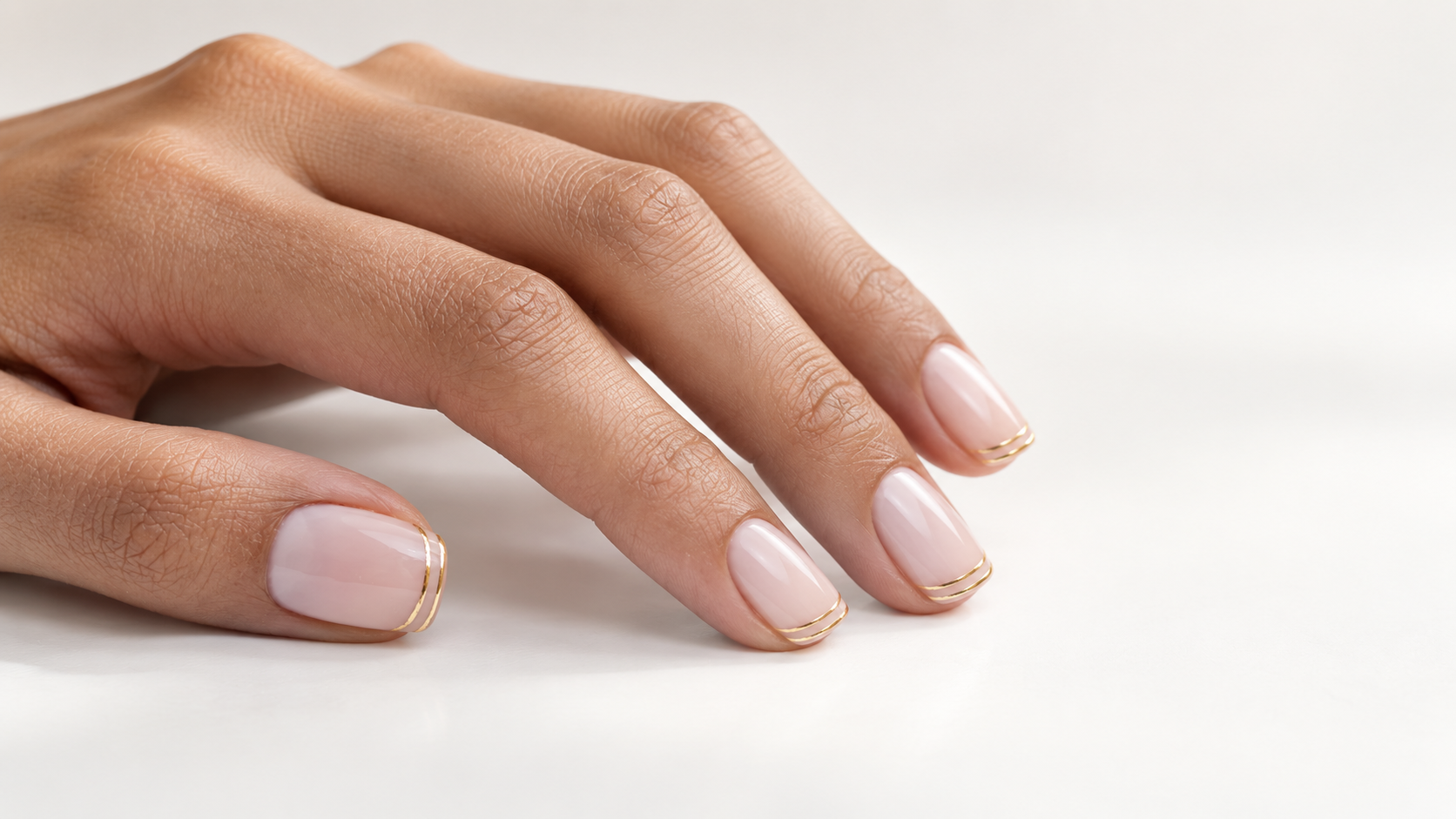


Their precise finish and promises of lasting wear have made Ukrainian and Russian manicures objects of fascination. Understanding the appeal starts with separating the treatment names from the techniques, and knowing where meticulous preparation should stop.