

Editorial consultant and not-so-dumb blonde Anna Dobbie considers the benefits of underpromising and overdelivering. A journalist with more than 20 years of experience, Dobbie is a freelance editorial consultant, editor of patient safety platform Twiqk, and former editor of Aesthetic Medicine magazine. She studied Biological Natural Sciences at the University of Cambridge, with a focus on psychology and is also an avid film fan.
Clients rarely arrive in clinic as a blank slate. More often, they turn up after hours on Instagram, TikTok or Google, with screenshots saved, influencer results in mind, and a very clear idea of what they think a treatment should achieve.
Confidence matters in aesthetics, but a quieter skill often separates good clinics from great ones. It is not the newest device or the most dramatic before-and-after photos. It is the ability to underpromise and overdeliver.
For me, one of the best examples of this principle comes from an unlikely place: Elle Woods, the protagonist of the noughties feel-good classic Legally Blonde.
Elle arrives at Harvard Law School in pink suits, carrying a tiny dog, and almost everyone assumes she is not serious. They underestimate her intelligence, her work ethic and her steadfastness. Of course, we all know what happens next. She proves them wrong at every turn.
There is something powerful about that moment when people realise they have underestimated you. In many ways, the same principle can work beautifully in aesthetics.
The problem with big promises
The aesthetics sector is incredibly competitive. Clinics and brands are constantly trying to stand out and attract new clients. Social media does not always help, because dramatic transformations and bold claims tend to grab attention first.
We see phrases such as “instant results”, “no downtime”, “perfect lips” or “wrinkle-free skin”. The temptation to promise the world in order to get the sale is understandable, but big promises can create even bigger problems.
Biology is unpredictable. Skin behaves differently from person to person. Healing varies. Lifestyle, hormones and age all play a role. Even the most experienced practitioner cannot control every variable.
When expectations are set too high, even a good result can feel disappointing to a client who was expecting perfection. Disappointment also travels fast. Word of mouth, online reviews and social media can quickly amplify the gap between what was promised and what was delivered.
The power of pleasant surprise
This is where underpromising becomes so valuable.
When a practitioner explains results honestly and realistically, something interesting happens. Clients feel safe and informed. Then, when the treatment works well, the result can seem even better than they had imagined.
Instead of scrutinising every detail, they experience a sense of pleasant surprise. Psychologically, people respond far more positively when something exceeds their expectations than when it simply meets them. That is the difference between satisfaction and delight.
The consultation is everything
Managing expectations begins in the consultation room, where practitioners can gently guide clients towards realistic goals. The language used at this stage matters enormously.
Small shifts in wording can make a huge difference to how a client perceives the final result. Instead of promising to remove lines completely, you might explain that a treatment will soften them. Instead of guaranteeing perfection, you might talk about improvement and balance.
Being clear about timelines is equally important. Many treatments do not deliver their final result immediately. Collagen stimulation, skin regeneration and healing all take time. Clients appreciate honesty when it is delivered with gentleness and confidence.
Why honesty builds loyalty
Underpromising does not mean underselling your work. It means presenting it accurately.
Clients tend to remember practitioners who made them feel informed rather than persuaded. When expectations and results match, trust grows.
In fact, some of the most loyal clients are those who arrived with unrealistic goals but were guided towards more achievable ones. When they later see the results and realise they look fresher, softer or more balanced than they expected, their confidence in the practitioner grows enormously.
Handling the social media effect
One of the biggest challenges for aesthetic practitioners today is social media.
Online spaces reward bold claims and dramatic imagery. Subtle, natural results do not always attract the same level of engagement, but clinics that prioritise credibility over hype often build stronger reputations in the long term.
Sharing educational content, explaining treatment journeys and showing realistic outcomes can help reshape expectations before a client even walks through the door. It might not go viral, but it does build trust.
The Elle Woods method
Think about two different practitioners offering the same treatment.
The first promises dramatic change, minimal downtime and flawless results. The second explains that the treatment will create a subtle improvement, that there may be some swelling, and that results might take a little time to settle. If both practitioners deliver the same outcome, which client is happier? Usually the second. The result feels better because it exceeded expectations.
That is the Elle Woods method. Let people underestimate the outcome slightly, then surprise them with something even better.





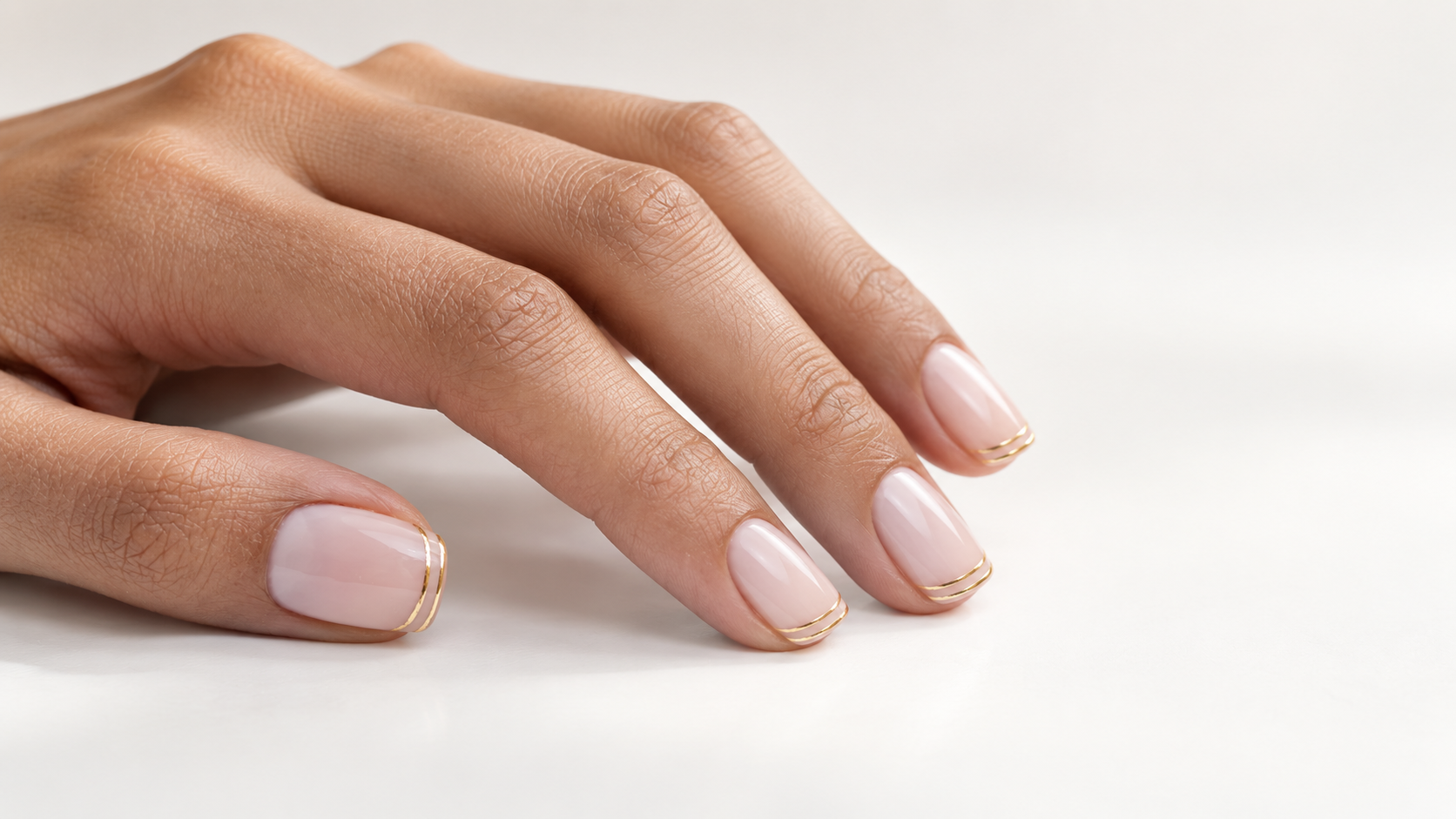

Their precise finish and promises of lasting wear have made Ukrainian and Russian manicures objects of fascination. Understanding the appeal starts with separating the treatment names from the techniques, and knowing where meticulous preparation should stop.