
Why Hotel Bathrooms Still Fail the Beauty Test
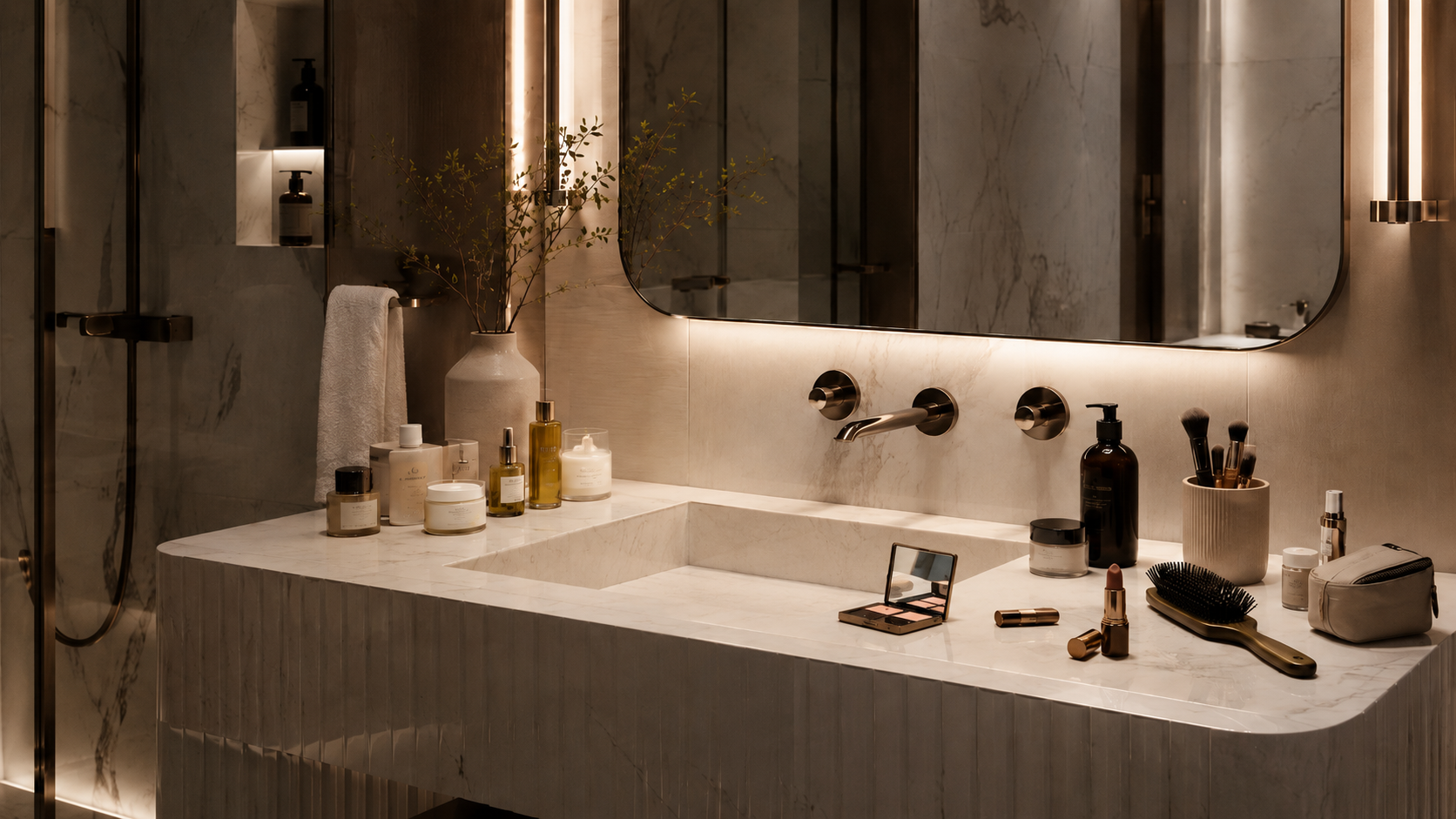
Hotels have spent a decade turning the bathroom into a design statement. Marble, brassware, rainfall showers and softly backlit mirrors sell rooms before a guest has even arrived. Yet for anyone who actually needs to get ready in one, the hotel bathroom remains one of the most frustrating spaces in hospitality.
The modern hotel bathroom is built to be photographed. It appears in booking galleries, press coverage and countless guest posts, and it does that job extremely well. What it often fails to do is support the routine that happens in it every morning and every evening: cleansing, skincare, make-up, hair, grooming and the small rituals that determine whether a guest walks out of the room feeling polished or defeated, leaving a bitter taste for guests.
Designed for the camera, not the face
Lighting is the most obvious failure, and the most universal. Overhead spotlights that throw shadows down the face. Warm, dim bulbs chosen for atmosphere rather than accuracy. A dramatic backlit mirror that flatters the room but not the person standing in front of it. The result is familiar to anyone who has matched foundation in a hotel bathroom and then caught sight of themselves in daylight, or ended up doing their make-up by phone torch at the bedroom window.
Getting ready requires even, front-facing light at a colour temperature that shows skin honestly, which is why no serious make-up artist works under a single ceiling downlight. But hotels, by and large, still do not understand this. A property can spend heavily on stone and joinery and undo the effect with lighting that makes brow work, shaving or contact lenses genuinely difficult.
Nowhere to put anything
The second failure is surface space. Minimalism photographs beautifully, but real routines are not minimal. Even a restrained traveller arrives with cleanser, moisturiser, SPF, make-up, a hairbrush, deodorant, fragrance and usually a heat tool. Add a wedding, a shoot or a week of client meetings and the product count climbs quickly.
Many bathrooms answer this with a sculptural basin that consumes the entire counter, a single narrow ledge, or nothing at all. Guests end up balancing skincare on the cistern and hair tools on the floor so while the bathroom was designed for the brochure, the guest appears to be in the way. A beauty-friendly bathroom does not need to be cluttered but it does need a dry zone by the mirror, a shelf in the shower, a socket where the mirror actually is and somewhere safe to put products down.
The forgotten category: Haircare
Hotels have made visible progress on skincare and fragrance, but hair remains the category hospitality forgot. The wall-mounted hairdryer is the clearest symbol: underpowered, tethered to the wrong wall, supplied without a nozzle or diffuser and often nowhere near a usable mirror. For guests with curly, textured, long or professionally styled hair, that single fixture can undo a salon blow-dry and sour an otherwise excellent stay.
And the luxurious rainfall shower is no different, without a handheld attachment it makes it almost impossible to shower without washing the hair, which is precisely what a guest protecting a fresh style does not want. Design has been built around one idealised version of showering, and every other routine has to work around it.
The amenity shelf is about to change anyway
Under the EU Packaging and Packaging Waste Regulation, single-use miniature toiletries under 50ml will be banned in hotels across the EU from 1 January 2030, with the transition beginning from 2026. The UK is not bound by the regulation, but the large international groups will standardise across their estates and refillable dispensers are expected to become the default and smaller brands will want to catch up to this in order to remain viewed as eco-conscious. A refillable system only works if the product inside it is genuinely good, and guests now judge amenities as products rather than freebies. Consumers notice a conditioner that will not detangle, a body lotion that sits on the skin and, above all, the absence of a proper facial cleanser in an era when almost everyone travels wearing SPF, long-wear make-up or active skincare.
It’s the final call for brands and spa directors that the failing hotel bathroom is less a grievance than an opening. Hotels are actively seeking credible wellness partners, and the bathroom is the most product-receptive space in the entire guest journey. A guest standing at that basin is already cleansing, moisturising and getting ready. A well-chosen professional cleanser, a scalp product, a post-flight mask or a QR-linked retail route turns an amenity space into a discovery point for brands that would otherwise never reach that customer.
Hotel bathrooms have been judged for too long on how luxurious they look. The next standard should be how well they perform. Until the two align, the most photographed room in the hotel will keep failing the people who use it most.


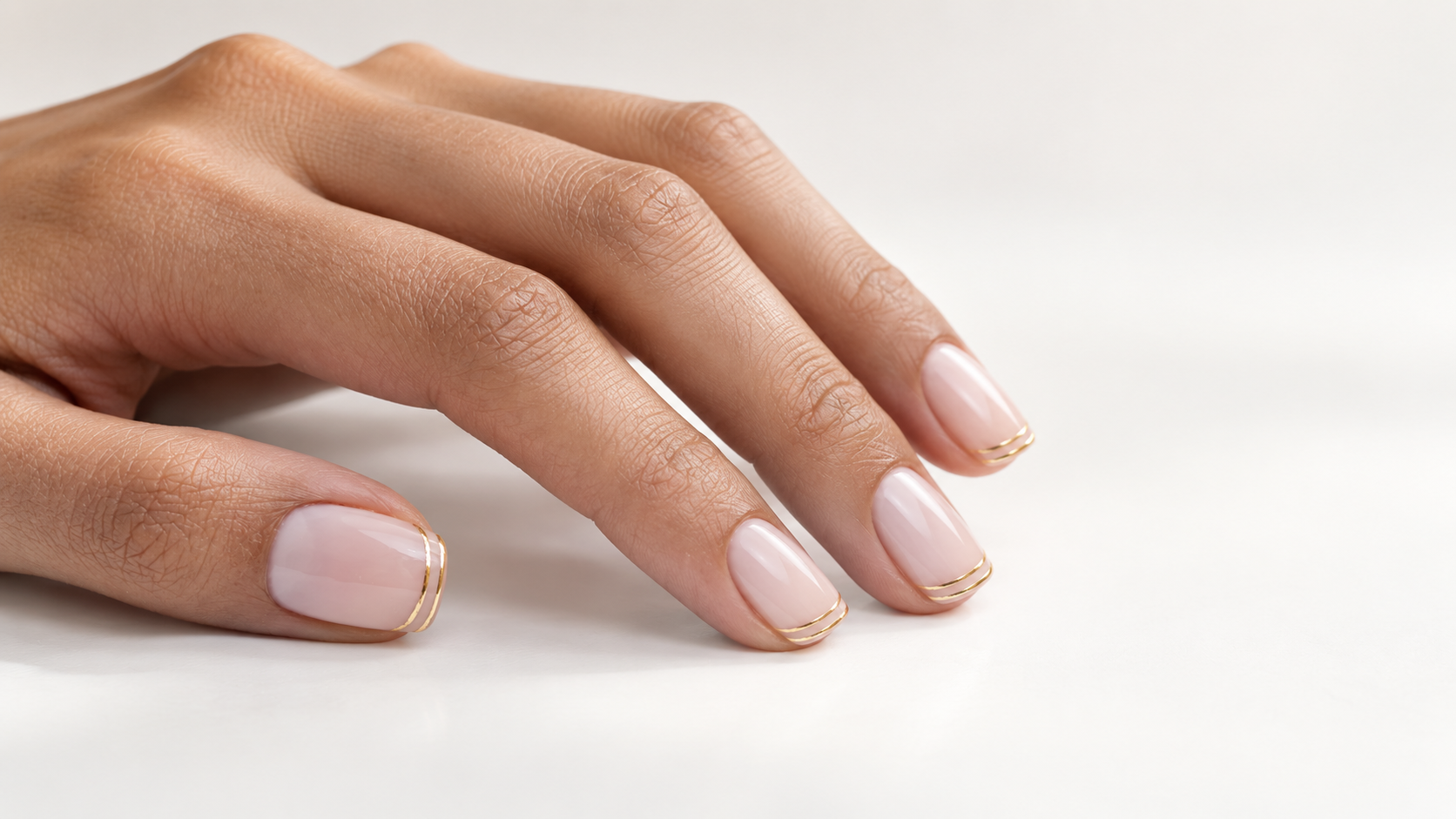

Their precise finish and promises of lasting wear have made Ukrainian and Russian manicures objects of fascination. Understanding the appeal starts with separating the treatment names from the techniques, and knowing where meticulous preparation should stop.