
The Truth About Being a Woman in the Aesthetics Industry
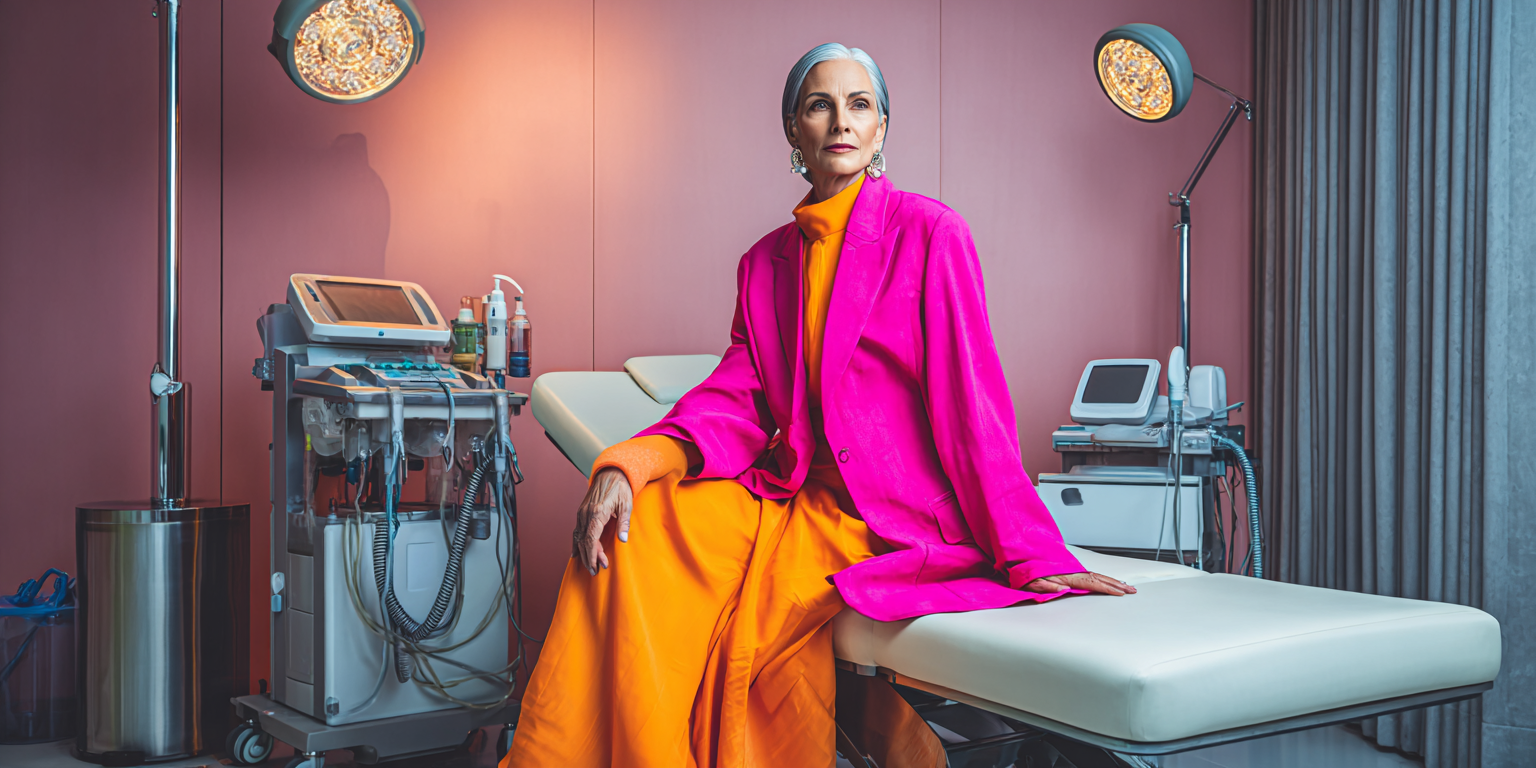
With over two decades of experience, our columnist, Katie Hughes-Dawkins is a highly respected figure in the aesthetic industry, known for her technical expertise and strategic leadership. From her beginnings as a dental nurse and aesthetic practitioner, running a chain of skin clinics, to becoming a dynamic sales leader, Katie has consistently driven business growth and elevated brand profiles on a global scale. Leveraging her extensive industry knowledge and global connections, she helps brands and clinics achieve remarkable success. A sought-after industry contributor, Katie brings her deep understanding of skin health, clinic operations, and the latest aesthetic industry trends to the forefront.
Spend enough time in aesthetics and one pattern becomes difficult to ignore. Women make up much of the workforce, much of the patient base, and much of the commercial energy behind the sector, yet that reality has not always been matched by who holds authority at the top.
Across clinics, academies, treatment rooms, brand teams and conference stages, women are highly visible. They are the practitioners, therapists, nurses, educators, clinic owners, marketers and founders who keep the industry moving on a daily basis. For all that presence, however, senior leadership has historically looked less representative. Boardrooms, executive teams and upper-tier strategy roles have too often remained male-heavy, even in a field so clearly shaped by women’s labour and expertise.
That imbalance has had a practical effect on how many women experience the profession. It is not simply a matter of job title or pay, although both matter. It also influences whose judgement is trusted fastest, whose authority is taken for granted, and whose presence in a room is still treated as something that needs to be justified.
From the outside, aesthetics is often framed through polish. Luxury branding, carefully designed interiors, flawless skin and the promise of confidence all form part of the visual language of the sector. What tends to receive far less attention is the pressure sitting underneath it, especially for women who are expected to perform clinically, commercially and socially at the same time.
For many, doing the job well is only part of what is being assessed. There is also the question of how they look while doing it, how they speak, how approachable they seem, how polished they appear, and whether they are striking the right balance between authority and warmth. In most serious professions, appearance is meant to sit somewhere in the background. In aesthetics, it rarely does.
The contradictions are familiar to almost any woman who has worked in the field for long enough. Looking highly groomed can invite lazy assumptions about vanity or superficiality. Taking a more understated approach can lead to questions, spoken or otherwise, about relevance in such a visual market. Youth can work against credibility, particularly in educational or clinical settings, while age can trigger equally reductive assumptions about pace, energy or adaptability. What makes this difficult is not just that these judgements exist, but that they often sit alongside genuine professional scrutiny, so women are being assessed on two levels at once.
There is another side to this that the industry still does not discuss with enough honesty. Women are leading businesses, treating patients, speaking publicly, hitting targets and managing teams while also dealing with hormonal change, fatigue, pain and the wider burden of care that still falls unevenly outside work. Many do so while carrying a quieter pressure that is less visible but no less demanding: the feeling that professional ambition must always be moderated by how available they remain to everyone else.
None of this suggests women are less capable. Quite the opposite. It points to the fact that success is often being delivered under conditions that are more demanding than the industry openly acknowledges, and that this has been normalised to such an extent that it is rarely even described as pressure anymore.
Even so, the picture is changing. Over the past few years, more women have moved into senior positions across brands, clinics, training businesses and distribution, and they are doing so with a greater degree of certainty than before. More female founders are visible. More women are shaping education. More are taking on strategic and commercial leadership roles rather than remaining concentrated in delivery-focused positions.
That shift matters because leadership has consequences far beyond status. It affects hiring, workplace culture, development pathways and the standards by which talent is recognised. When women hold influence at that level, it changes not only who is represented but what kind of professional behaviour is rewarded and what kind of leadership becomes legible within the sector.
At the same time, there has been a noticeable change in the way women within aesthetics are relating to one another. For years, the idea of female competition hovered over the industry, sometimes overtly and sometimes in subtler ways. It was often treated as inevitable. That mood has not disappeared entirely, but it no longer defines the space in quite the same way. In its place, there is more visible support, more willingness to share expertise, and more interest in building networks that do something more useful than simply flatter the idea of community.
Seen in that light, initiatives such as Women in Aesthetics, founded and hosted by Antonia Mariconda, matter for more than optics. Their value lies in creating room for women to speak frankly, exchange experience and be visible to one another as peers, leaders and decision-makers. That kind of space can have a real effect over time, because careers are often shaped not only by skill but by access, confidence and whether someone is willing to open a door.
For a long period, too much progress in aesthetics depended on individual women navigating structures that were never especially responsive to them. A stronger culture of support does not erase that history, but it does begin to alter the terms. It becomes easier to recommend another woman for a role, to champion her work without treating it as a threat, and to see success as something that can expand the field rather than narrow it.
As more women step into senior positions, leadership itself is also being understood differently. In aesthetics, influence is rarely built on hierarchy alone. The sector depends on trust, judgement, communication, emotional intelligence and a clear reading of patient experience, team culture and brand reputation. Those qualities are not decorative additions to business performance. They are central to it, especially in an industry where relationships and perception are commercially significant.
This has implications for those entering the profession now. When younger practitioners, therapists, nurses and founders see women occupying serious leadership roles, it changes the limits of what feels realistic. Representation does not solve structural inequality by itself, but it does affect ambition, and ambition is shaped partly by what people are able to picture for themselves.
There is still no case for complacency. Executive representation remains uneven, opportunity is not distributed equally, and appearance-based judgement continues to shape women’s working lives in ways that are both obvious and subtle. Some of the old assumptions have simply become more polished in how they present themselves.
Yet the mood inside the industry is not what it was. Women are not waiting as quietly as they once did to be recognised or included. They are founding businesses, setting strategy, directing education, leading teams and influencing the commercial future of the sector in ways that are now harder to overlook.
After decades in aesthetics, that is perhaps the most significant change to witness. The pressures have not disappeared, and neither have the contradictions, but women are claiming influence in proportion to the role they have long played in building the industry in the first place. The result is a more honest one than the sector has often been willing to tell.



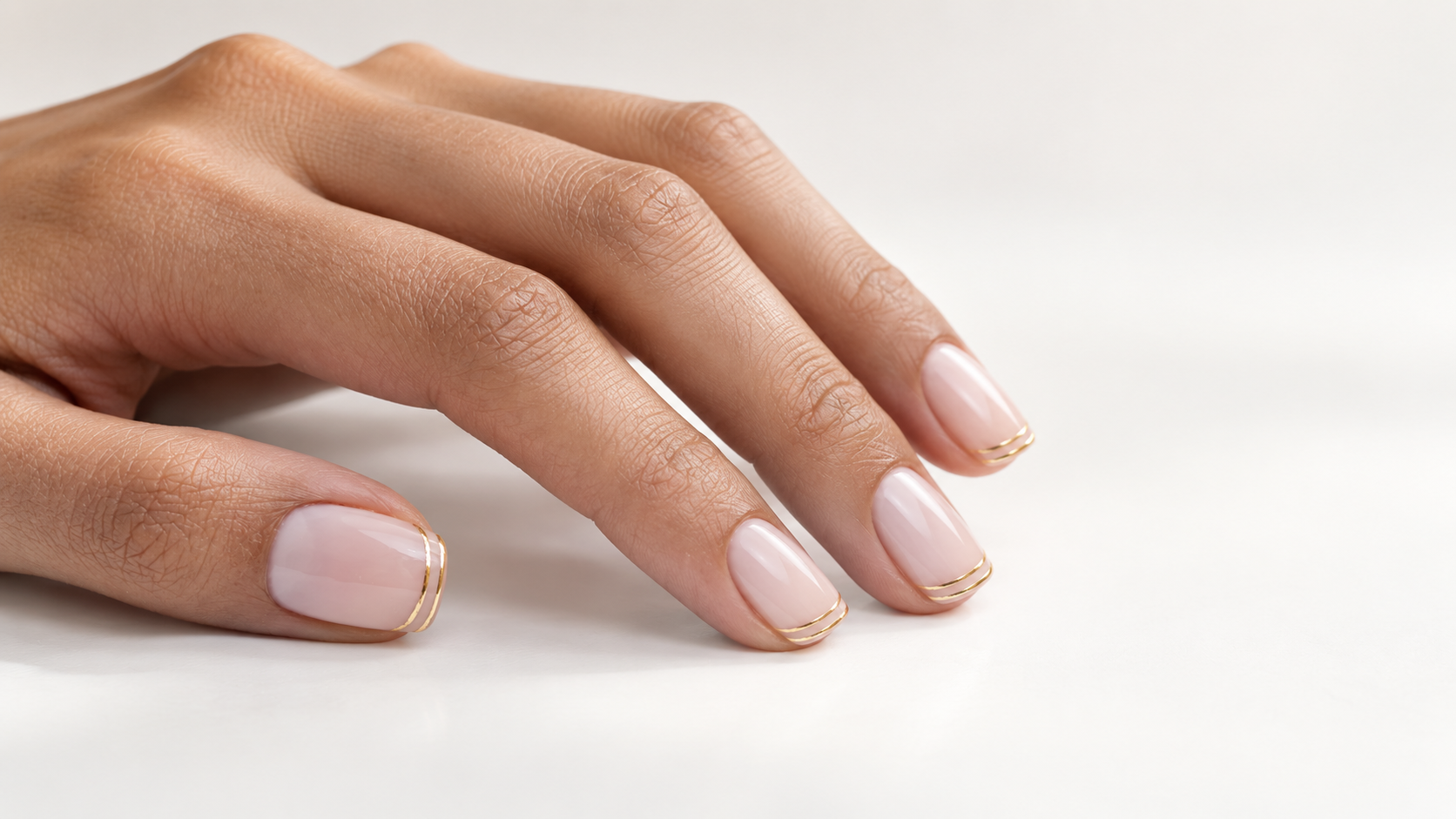
Their precise finish and promises of lasting wear have made Ukrainian and Russian manicures objects of fascination. Understanding the appeal starts with separating the treatment names from the techniques, and knowing where meticulous preparation should stop.