
Which Spa Treatments Deliver Margin, and Which Only Take Up Room Time?

The global wellness economy is still growing at pace. The Global Wellness Institute says it reached $6.8tn in 2024, up 7.9% on the year before, with further growth forecast over the rest of the decade. That is good news for spas, but it does not make the commercial picture simple. A growing market can also become a more demanding one, particularly when operators are trying to balance staffing, rising costs, guest expectations and the practical limits of room capacity.
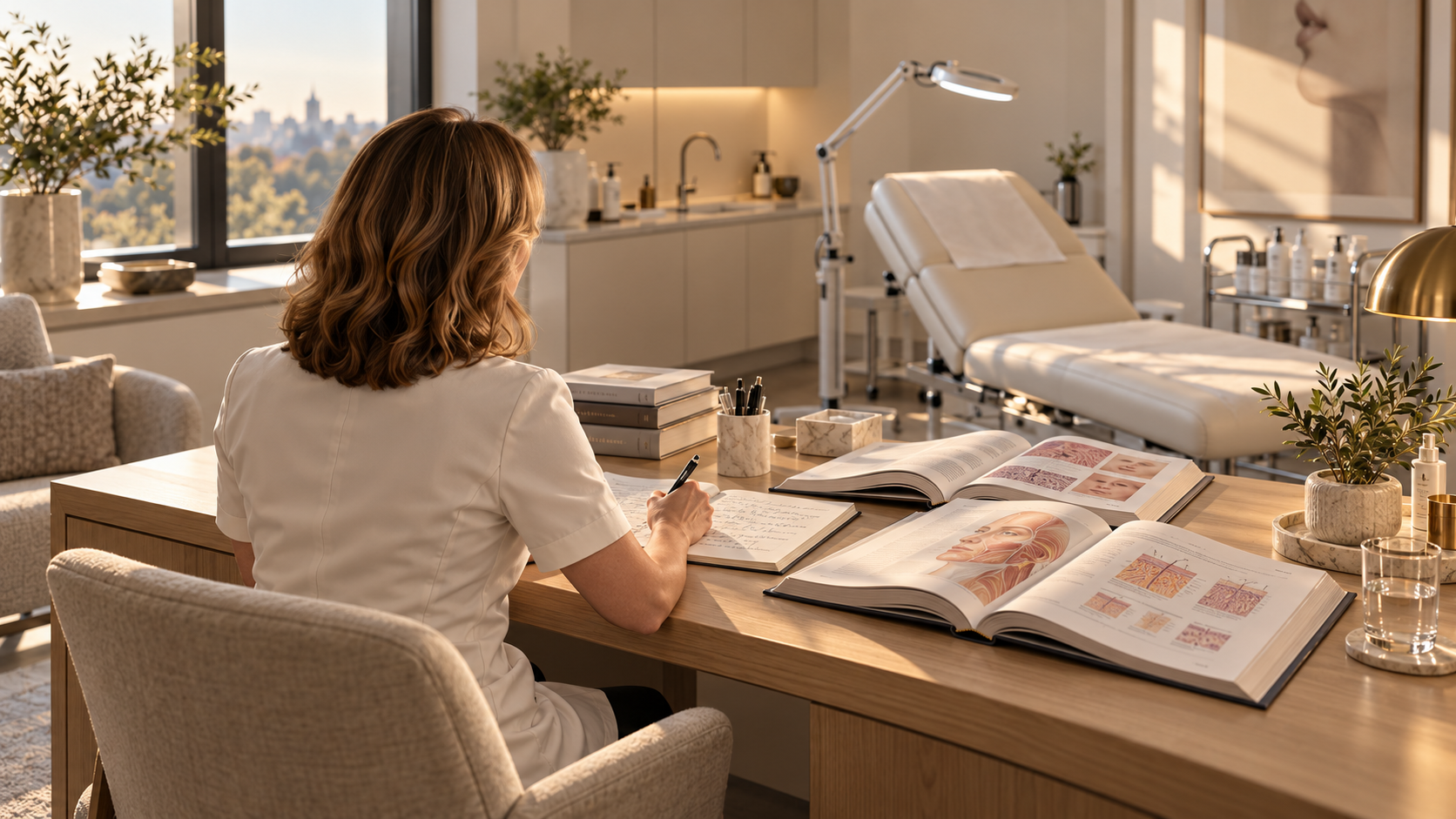
In that environment, the treatment menu deserves closer scrutiny than it often receives. Many spas still judge success by looking at headline revenue, the visual appeal of a menu, or whether a treatment feels suitably premium. None of those measures is enough on its own. A service can look luxurious, sell at a respectable price and still be a weak use of therapist time and room space once preparation, reset, laundry, stock use and follow-on value are taken into account.
That is why a proper menu audit is less about what sounds exciting and more about what the business is actually asking each treatment to do. Some services exist to anchor the diary. Some justify higher spend. Some drive retail. Some lead to repeat visits. Some do very little beyond occupying a room for an hour and a half. These are not the same thing, and treating them as if they are tends to blur the commercial picture.
Recent data from the International Spa Association suggests that menus have become longer, not leaner. In its September 2024 Snapshot Survey, 56% of respondents said they had increased the number of treatments they offer in the previous year. The same survey found that 28% offered between 21 and 30 treatments, while 25% offered more than 40. Massage appeared on 99% of menus and facials on 97%, underlining how heavily the category still depends on a small number of core services even as menus expand around them.
More choice can be useful, but only up to a point. Once a menu begins to sprawl, the costs are not only financial. Complexity affects scheduling, training, stockholding, treatment consistency and guest decision-making. It also makes it harder to see which services are carrying the business and which are there out of habit. A treatment that survives because it has always been offered is not necessarily earning its place.
Length of service is one of the clearest places to start. International Spa Association data from 2024 shows spas commonly working across 30, 50, 60, 80 and 90-minute formats for massage and facials. That sounds flexible, but the commercial effect depends on how those timings fit the working day. An 80-minute treatment may command a higher price than a 50-minute one, yet still produce weaker returns if it creates awkward gaps in the diary, reduces the number of bookable slots, or requires a more demanding turnaround between guests. The same survey includes comments from operators who moved from 60 and 90-minute formats to 50 and 80-minute formats in order to optimise room use and therapist time, while others reported changing cleanup windows from 30 minutes to 15.
This is where the distinction between revenue and margin comes in - a long signature ritual may look like a premium offer, but price alone does not tell you whether it is commercially efficient. A simpler facial with a quicker reset, lower back-bar cost and stronger retail conversion may outperform it over the course of a month. So might a shorter massage that fits neatly into the diary and leads reliably to an enhancement or repeat booking. The point of a menu audit is to stop admiring treatments as concepts and start measuring them as operating units.
Retail changes the calculation as well. International Spa Association research published in March 2024 found that nearly half of respondents said 10% or more of their total 2023 revenue came from retail sales, and 95% said front desk or spa concierge staff were involved in closing those sales. The same survey found a marked difference by service type: facials were far more likely than massage or nail services to generate retail sales. That should affect how facials are valued on the menu. If a treatment regularly produces take-home sales and gives the guest a reason to return, its contribution to the business is broader than the treatment price suggests.
Repeat business deserves the same weight; client loyalty is shaped not only by points or discounts but by convenience, consistency and the feeling of being recognised. For spas, that points towards a broader truth: profitable treatment menus are rarely built around one-off indulgence alone. They work best when the guest can see a reason to come back, whether for maintenance, a treatment course, or an ongoing wellness routine.
Viewed in those terms, the most commercially useful treatments are often not the most theatrical ones. They are the services that book steadily, fit cleanly into the day, can be delivered consistently by the team, support enhancements, and create a plausible next visit. This does not mean premium rituals have no place. It means they should be there for a clear reason, and not simply because they help a menu look more luxurious.
The same goes for therapist skill. Some treatments plainly justify a more experienced practitioner. Others do not. If a spa builds too much of its margin around services that only a small number of therapists can perform at the required standard, the menu becomes fragile. A stronger structure is one in which advanced treatments sit where they can command a premium, while the core of the business is supported by services that are easier to schedule, easier to repeat and easier to scale across the team.
For operators, the practical question is not whether guests enjoy a treatment. It is whether the service earns its keep. Does it fill valuable dead space in the diary, or block out time that could be used better elsewhere? Does it create retail, or stop at the treatment room door? Does it encourage a second booking, or remain a one-off purchase? Does it require disproportionate stock, setup or training for the return it generates? Once those questions are asked properly, many menus begin to look rather different.
A spa menu, then, should not be treated as a catalogue of everything the business is capable of doing. It is a commercial structure, and like any structure it works best when each part has a purpose. In a market where demand may be growing but margins remain under pressure, the most useful menu is usually not the longest one. It is the one where every treatment has been given a clear job, and where the business can explain, in practical terms, why that treatment still deserves the room time it takes.




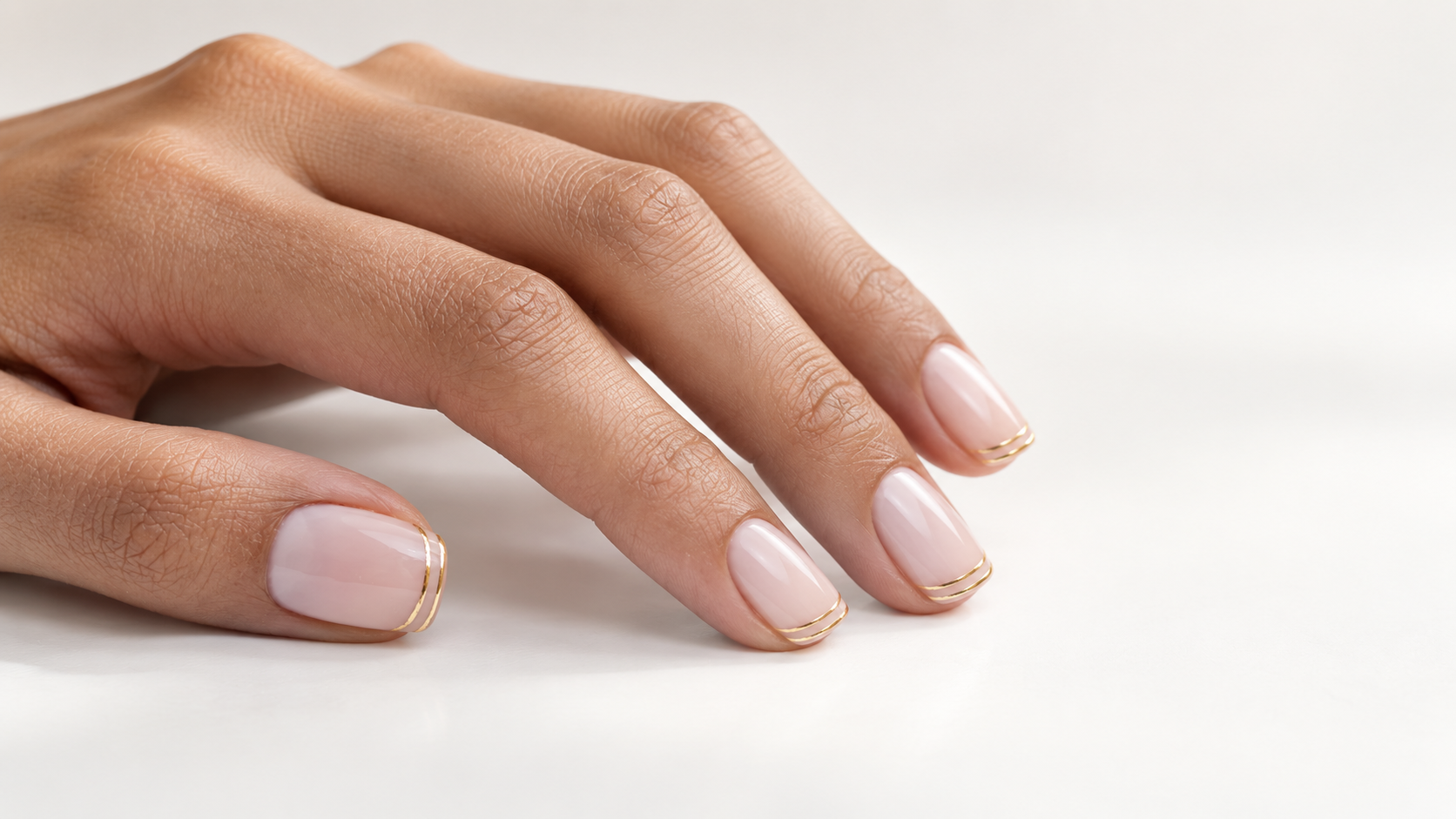
Their precise finish and promises of lasting wear have made Ukrainian and Russian manicures objects of fascination. Understanding the appeal starts with separating the treatment names from the techniques, and knowing where meticulous preparation should stop.