The Chemistry Behind Rising Gel Allergies
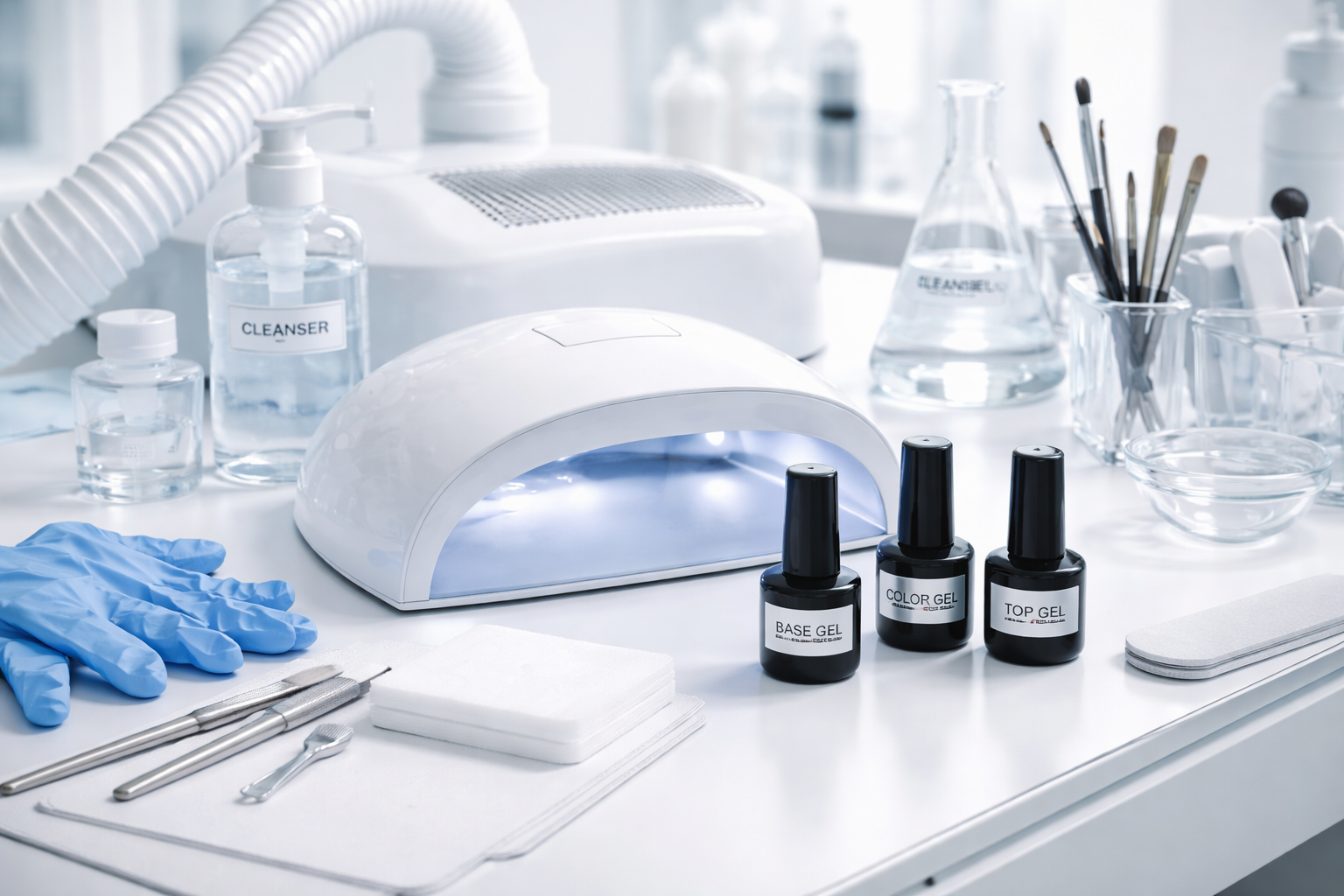
Gel allergy is often framed as a trend problem, driven by social media, DIY misuse or poor training. In reality, it is a chemistry problem first. Modern gel systems rely on reactive ingredients that are highly effective when used correctly, but far less forgiving when technique slips. For nail professionals, that distinction matters. Rising allergy rates are not simply about one ingredient or one bad set of nails. They are about what happens when reactive chemistry meets skin exposure, poor curing and inconsistent system use.
Read More
Four Fundamental Questions to Consider When Building a Brand
Emma Elliott shares a practical guide to future-proofing business growth, drawing on more than 30 years of experience in brand building, communications and consultancy to outline the key areas founders and senior teams should review, from branding and website compliance to marketing strategy, PR, retail costs and long-term scalability.
Read More
What is Platysma Botox and Why is it Having a Moment
For years, injectable conversations were dominated by the upper face. Forehead lines, frown lines and crow’s feet were the familiar entry points, while the neck was often treated as a separate problem, something to be addressed later, or surgically. Platysma Botox is moving into the mainstream of aesthetic practice as patients increasingly focus on the neck as a visible marker of ageing and seek treatment options that can soften early changes without surgery and changing the market. The treatment itself is not new, but its profile is rising as awareness grows, clinical protocols become more refined and the industry’s attention shifts towards lower-face and neck rejuvenation.
Read More
Lipoedema: What Is It and What Treatments Are Available?
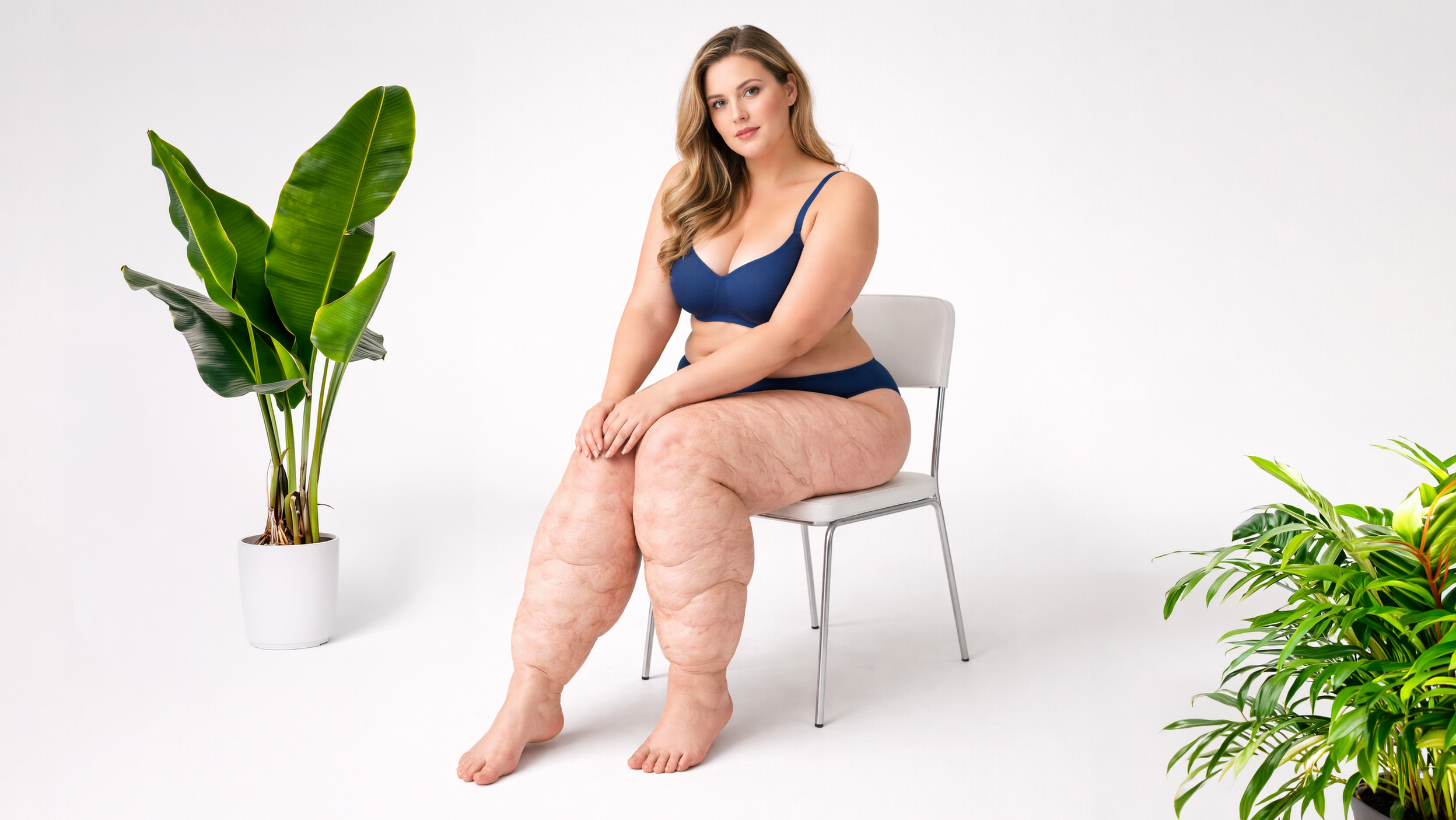
Women’s health conditions have long been shaped by delay: delayed recognition, delayed diagnosis and, in many cases, delayed research. Lipoedema is increasingly being discussed in that context, with studies suggesting it may affect around 6 to 11 per cent of women, yet it remains widely misunderstood and frequently mistaken for obesity or simple weight gain. Lipoedema is a chronic condition that affects the way fat is distributed in the body, most commonly in the legs, hips and buttocks, and sometimes the arms. It usually affects women, and is marked by a symmetrical build-up of fat that can be painful, tender and prone to bruising. The feet and hands are often unaffected, which can leave a distinct cuffing effect at the ankles or wrists. Despite this, the condition is still regularly mistaken for obesity, lymphoedema or simple weight gain.
Read More
The Big Pore Myth Broken Down by Experts
Pores remain one of the most misunderstood features in skincare. They are routinely blamed for uneven texture, shine, congestion and the failure to achieve the smooth, refined finish that has become shorthand for healthy skin. In reality, pores are not cosmetic accidents. They are functional openings within the skin, closely tied to oil production, thermoregulation and the skin’s wider protective system. The problem is not that pores exist, but that they continue to be discussed in language that is anatomically inaccurate and commercially over-simplified.
Read More
Aesthetically Blonde: The Elle Woods Approach to Trust, Treatment Outcomes and Client Satisfaction
Anna Dobbie explores why the clinics that promise less often leave the strongest impression, and what aesthetic practitioners can learn from expectation management done well.
Read More
How to Introduce Price Increases in Your Salon Business In the New Financial Year
Keeping your pricing fair but profitable is a delicate balance. But with rising costs, many salon owners are considering price increases, but how do you do this without upsetting your loyal clientele? Benjamin Shipman, co-director of The Hair Movement in Sidcup, says you need to value your worth and not undersell your expertise and knowledge.
Read More
Insurers Warn Aesthetic Practitioners of Multi-Million Pound Lawsuits As a Result of AI
For aesthetic clinics, the legal risk around a treatment complaint is no longer confined to a poor outcome, a difficult consultation or a missing signature on a consent form. The pressure is widening. Patients are arriving better armed, faster to escalate and more able to package dissatisfaction into a polished complaint. At the same time, many clinics are operating through looser care models, with separate prescribers, visiting injectors, device operators, remote consultations and outsourced follow-up. That combination is creating exactly the sort of liability picture insurers do not like.
Read More
Six Senses Debuts in London at the Whiteley With a 2,300 Sqm Spa and Longevity Clinic
Six Senses has opened at The Whiteley in Bayswater, bringing a spa and wellness offer that is built for regular local use as much as hotel stays. The opening centres on Six Senses Spa London, a 2,300 square metre facility anchored by a 20 metre indoor pool and a dedicated magnesium pool, with a recovery focused biohacking lounge and a full scale fitness set up designed to support training, performance and downregulation in a city environment.
Read More
Women in Aesthetics Then and Now with Dr Rita Rakus
PBL Magazine sits down with Dr Rita Rakus, founder of the Rakus Clinic in Knightsbridge and one of the UK’s best known figures in aesthetic medicine. A co founder and Fellow of the British College of Aesthetic Medicine, Rakus has spent decades helping shape the non surgical aesthetics sector through clinical practice, innovation, training and a strong focus on patient safety. In celebration of the upcoming International Women’s Day, we discuss how opportunities for women in aesthetics have changed, where progress still falls short, what credible authority looks like in a crowded market, and why standards, mentorship and regulation remain central to the future of the profession.
Read More
Six Breakout Niche Perfume Brands from the International Maisons of Fine Fragrance Showcase
International Maisons of Fine Fragrance took place in London last week, bringing together a tightly curated mix of independent and luxury fragrance houses in a gallery-style setting built for discovery. With 32 exhibitors this year, the event felt international in scope while still intimate enough for real conversations, proper smelling time, and the kind of close attention niche perfumery deserves. Among the line-up, six brands stood out for the clarity of their concepts, the strength of their identities, and the way they translated storytelling into scent, design and experience.
Read More
Rosacea in Skin of Colour and the Diagnostic Blind Spot the Industry Still Needs to Fix
When rosacea in skin of colour is mistaken for acne or “sensitive skin”, treatment can go in the wrong direction fast. We look at the evidence behind underdiagnosis, the role of history-taking beyond visual cues, and why better recognition is a standards issue for the aesthetics sector
Read More
How To Utilise the Era of Subscriptions in Your Clinic to Generate Profit
Walk into most clinic receptions on a Tuesday at 2pm and you’ll often spot treatment rooms sitting idle, payroll and rent ticking over, and a bookings diary that looks strong for the next fortnight but hazy beyond that. Subscriptions are one of the cleanest ways to turn that uncertainty into something you can plan around, because they convert episodic, promotion-driven demand into recurring revenue tied to long-term care habits.
Read More
Why "No Makeup" Makeup is Notoriously So Difficult to Get Right
No-makeup makeup has always been a bit of a con. It sells effortlessness while demanding control. The irony feels sharper in 2026, as bolder colour, blurrier edges and a general swing back to statement makeup keeps gathering pace. Yet the “clean girl” and no-makeup codes refuse to disappear, because they have become more than a look. They are a shorthand for polish, health, youth, money, time, and good lighting.
Read More
Why Fragrance Owns Valentine’s Day
Valentine’s Day is built around the senses, and perfume is the only gift that speaks to all of them at once. You can see it, hold it, unbox it, and then wear it in a way that changes how you feel in real time. Most importantly, scent takes a shortcut to emotion and memory. Unlike many other sensory inputs, olfactory signals have direct links into brain regions tied to emotion and memory, which helps explain why a fragrance can trigger a mood shift, a flash of recognition, or a sudden sense of closeness within seconds.
Read More
How Energy Devices “Read” the Face Layer by Layer
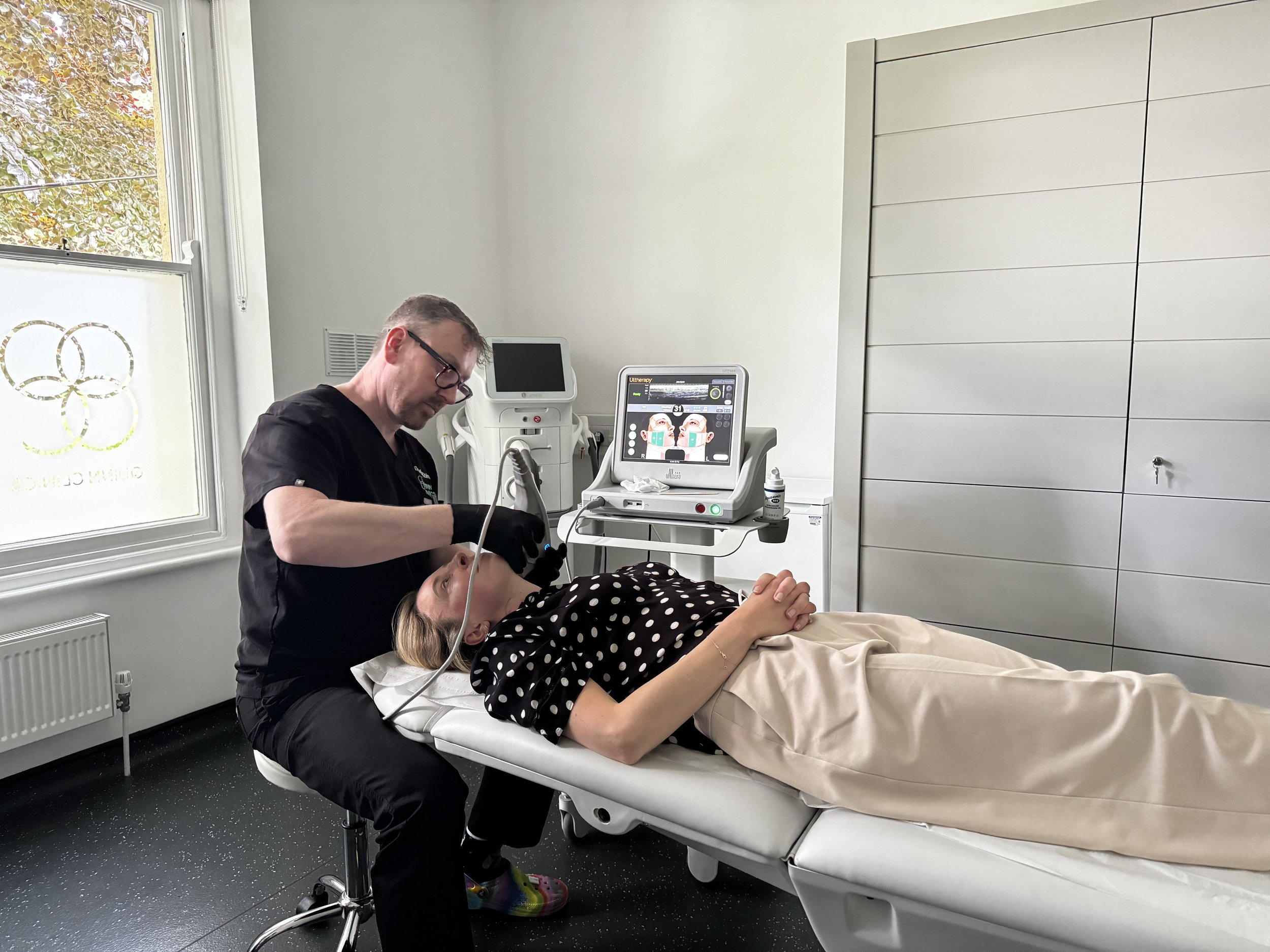
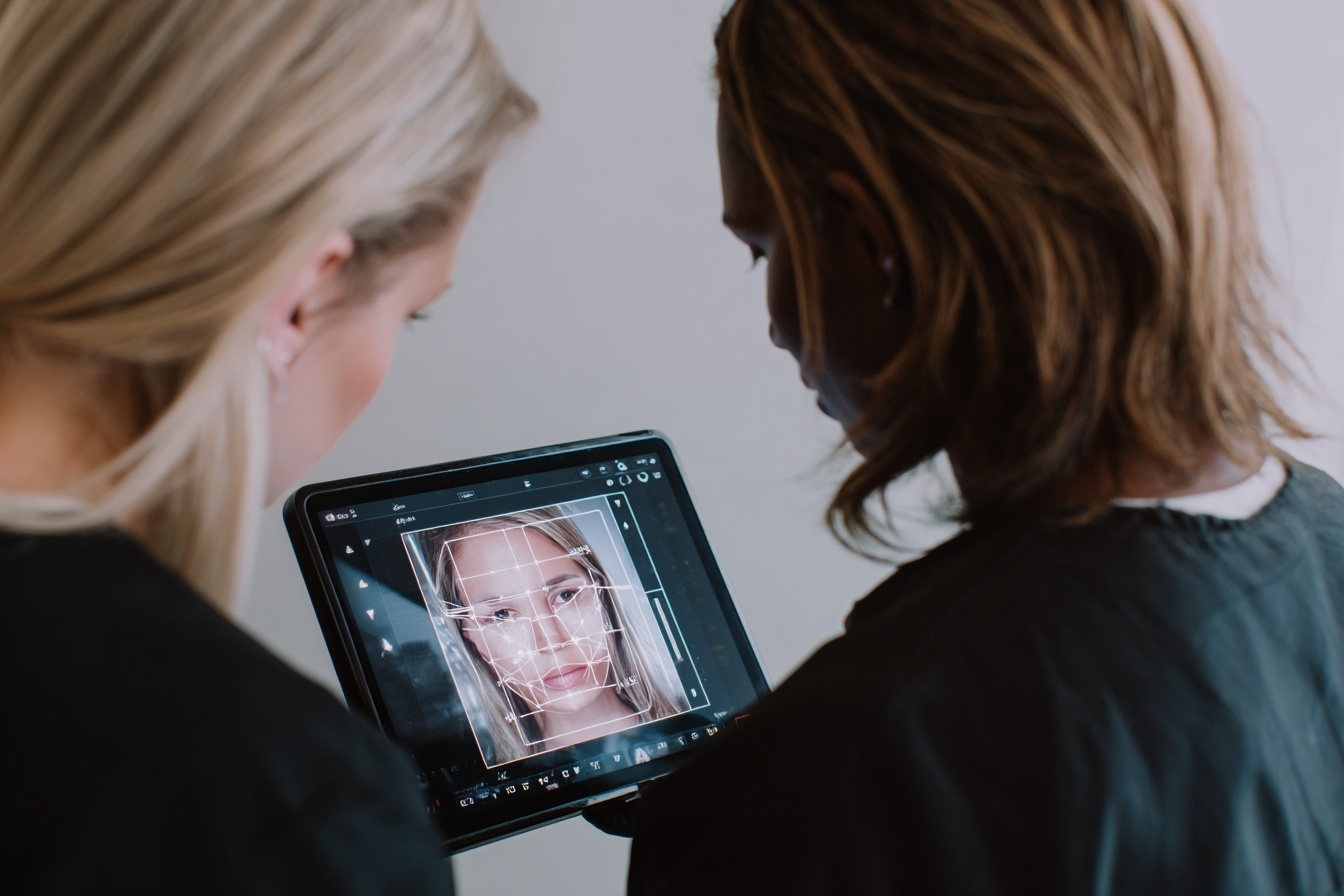
Aesthetic medicine still has a lazy shorthand problem. Patients say “laser” when they mean anything from pigment correction to dermal tightening to deep-plane lifting, and plenty of clinics let the catch-all stand because it is convenient. Dr John Quinn, founder of Quinn Clinics, argues that this is where outcomes start to drift, because the decisive variable is rarely the brand name on the console. It is depth.
Read More
The Most Coveted Nail Shades Salons Are Stocking Up On for 2026
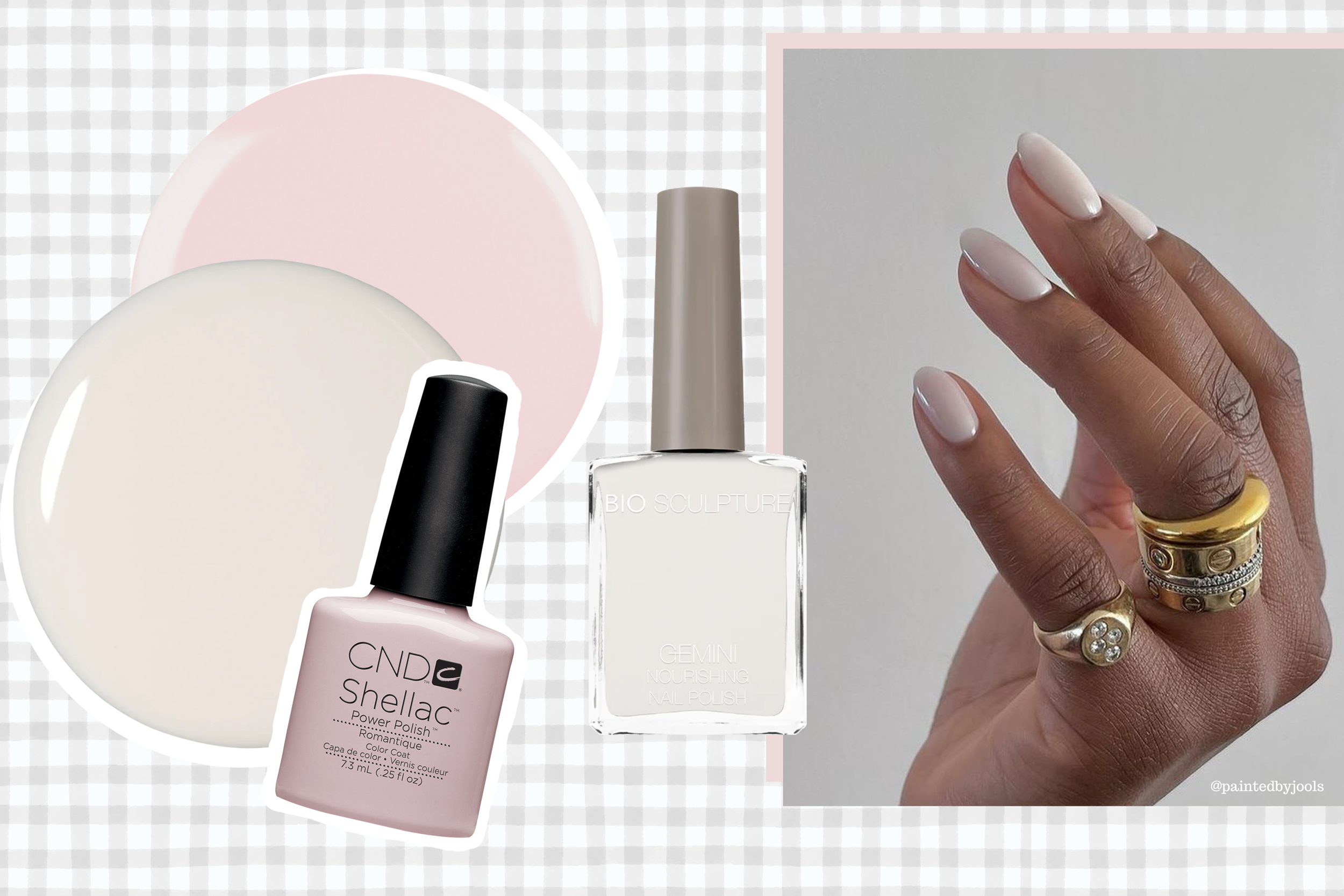
As we move through 2026, the nail industry is witnessing a move away from loud, chaotic art toward a more intentional, "refined luxury" aesthetic. For professionals, this season is less about complexity for complexity’s sake and more about mastering depth, finish, and the perfect "clean" canvas.
Read More
Neuro-aesthetics and Why “Looking Better” is Only Half the Mechanism
Neuroaesthetics is the scientific study of how the nervous system produces aesthetic experience: how we perceive, evaluate and feel pleasure (or aversion) when we look at faces, bodies, products, interiors, images and art. In the academic literature, it sits inside cognitive neuroscience and empirical aesthetics, with a consistent finding that there is no single “beauty centre”. Instead, aesthetic judgement emerges from a distributed network that integrates what the eyes and skin register, what reward and emotion circuits assign as value, and what memory and meaning systems contribute from culture and personal identity.
Read More
Areas to Ensure Salon and Clinic Compliance in During 2026
Compliance in 2026 has moved beyond the back-room filing cabinet and onto the front-line sales floor. With the Modernization of Cosmetics Regulation Act (MoCRA) in full enforcement and the UK’s licensing scheme for non-surgical procedures now dictating daily operations, the legal definition of "wellness" is narrower than ever. For clinic owners, the goal is to drive retail growth without triggering the regulatory alarms that now monitor digital and in-person claims.
Read More