
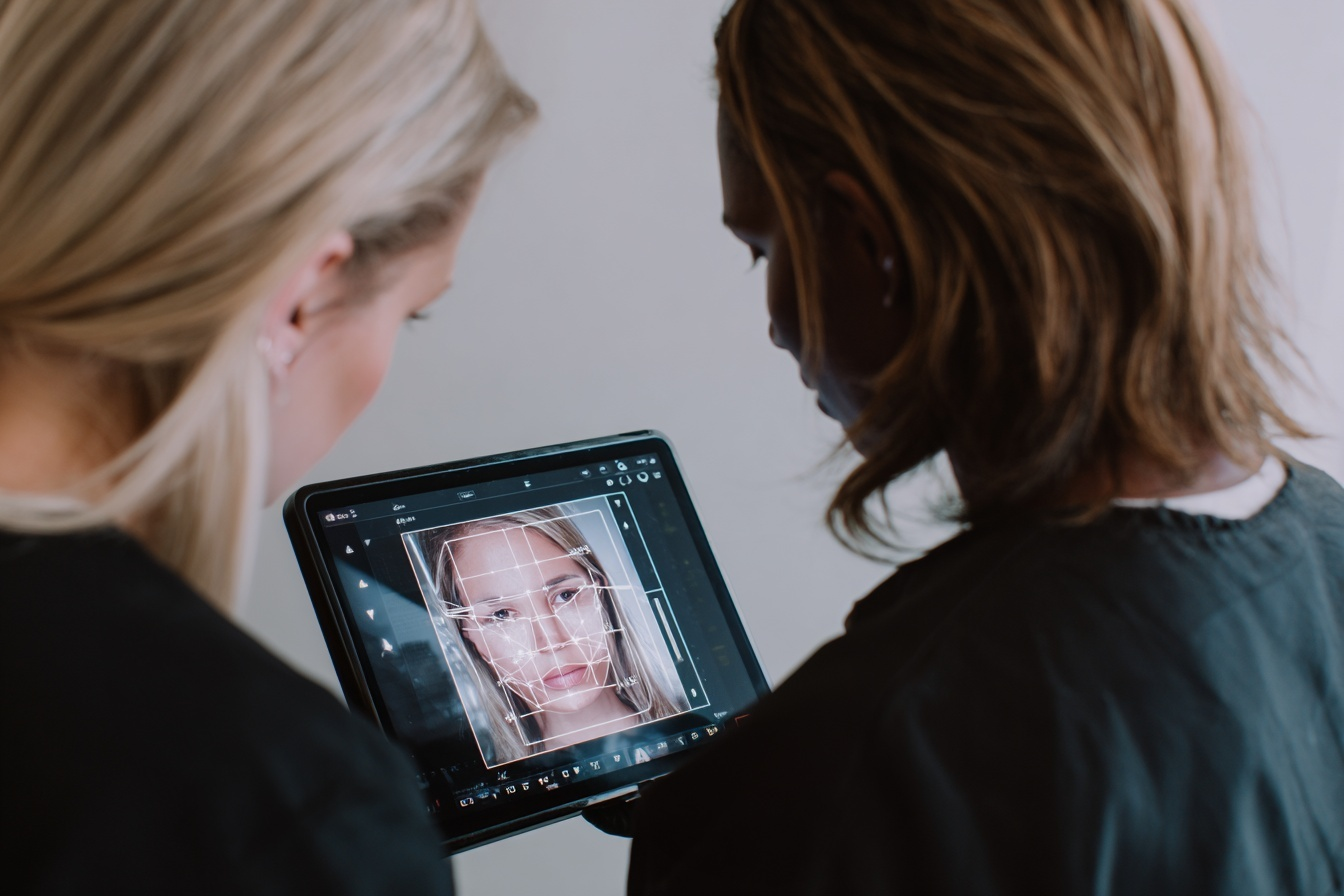
Compliance in 2026 has moved beyond the back-room filing cabinet and onto the front-line sales floor. With the Modernization of Cosmetics Regulation Act (MoCRA) in full enforcement and the UK’s licensing scheme for non-surgical procedures now dictating daily operations, the legal definition of "wellness" is narrower than ever. For clinic owners, the goal is to drive retail growth without triggering the regulatory alarms that now monitor digital and in-person claims.
Instead of generic strategy, this audit provides the specific constraints and scripts required to keep your business both profitable and protected this year.
Shelf-Side Risk: The 2026 Restricted Inventory
Regulatory bodies have transitioned from advisory roles to active enforcement. To maintain a compliant retail space, clinics must audit their stock against the 2026 "Prohibited List."
The Retinol Cap - The most significant shift this year is the full implementation of concentration limits on Vitamin A. In the UK and EU, face products are now restricted to 0.3% Retinol, while body products are capped at 0.05%. Clinics selling "professional-strength" legacy stock that exceeds these levels are now in direct violation of safety standards.
The PFAS "Forever Chemical" Ban - 2026 marks the deadline for the removal of intentionally added PFAS (Per- and polyfluoroalkyl substances) from cosmetic formulations. These were frequently found in long-wear foundations and "waterproof" primers sold in clinic boutiques. If your retail partners haven't provided updated safety data sheets (SDS) confirming a PFAS-free formula, those products must be pulled from the floor.
Digital Diagnostic Tools - If you sell at-home skin analysis kits or metabolic trackers, ensure they are marketed strictly for "tracking" rather than "diagnosing." The 2026 FDA and MHRA updates specify that any device claiming to identify a specific skin pathology (like active rosacea or hormonal acne) must be registered as a Class II medical device.
The primary risk to a clinic today isn't just the product formula; it’s the way staff describe the results. Regulatory bodies now use digital surveillance to monitor "wellness" claims in real-time. To avoid high-signal patterns that trigger audits, staff must replace abstractions with specific, perception-based language.
Avoid the "Medicalisation" of Retail Staff should never use "diagnostic" verbs such as cure, treat, or reverse. When a client presents with a condition, the conversation must stay within the "Green Zone" of wellness.
The Forbidden Claim: "This serum will treat your chronic inflammation and cure the redness."
The Compliant Alternative: "This formula is designed to support the skin’s natural barrier resilience and soothe the appearance of surface redness."
The POM Protocol In 2026, the Advertising Standards Authority (ASA) has increased its focus on Prescription-Only Medicines (POMs). It remains illegal to advertise Botox or specific brands of filler in any retail or window display. Your marketing should focus on the consultation process or the aesthetic concern (e.g., "addressing the appearance of expression lines") rather than the drug name itself.
Evidence-Based Selling Move away from "revolutionary" or "game-changing" hype, as these terms often flag content for review. Instead, use the numbers provided in clinical trials.
Instead of: "This is a revolutionary anti-aging breakthrough."
Use: "In independent trials, 85% of participants reported a visible improvement in skin texture over 12 weeks."
Successful 2026 clinics have abandoned the "hard sell" at the till in favour of Clinical Prescribing. This method positions retail as a requirement for treatment safety rather than an optional add-on.
The Barrier Protection Requirement: After high-intensity treatments (microneedling, chemical peels, or laser), the skin's barrier is temporarily compromised. Position your retail as the necessary "aftercare protocol."
The Script: "To ensure your skin recovers correctly and to protect the results of today’s laser session, you’ll need to follow this specific lipid-recovery protocol for the next 10 days. These three steps are the home-care component of your treatment."
The 12-Week Transformation Bundle: Single-unit sales are becoming less common in high-performing clinics. Instead, offer "Treatment Pathways" that bundle the service with the necessary retail. By including the cost of the "Home Care Kit" within the total price of a 3-month treatment plan, you remove the "sticker shock" at the checkout and ensure the client is using the correct actives to support your work.
To maintain compliance in 2026, clinics must move away from the "high-frequency clichés" of the past decade. Accuracy, restraint, and specific data are the new standards of professional beauty. By auditing your inventory for new chemical caps and retraining staff to avoid diagnostic language, you build a business that is not only profitable but legally resilient.







Jennifer Lawrence is the latest A-lister to enter the beauty business with mes°, a biotechnology-led haircare brand developed alongside scientist Jasmina Aganovic. And while another celebrity beauty launch might ordinarily inspire a little scepticism, this one has a backstory worth paying attention to.