
Women in Aesthetics Then and Now with Dr Rita Rakus
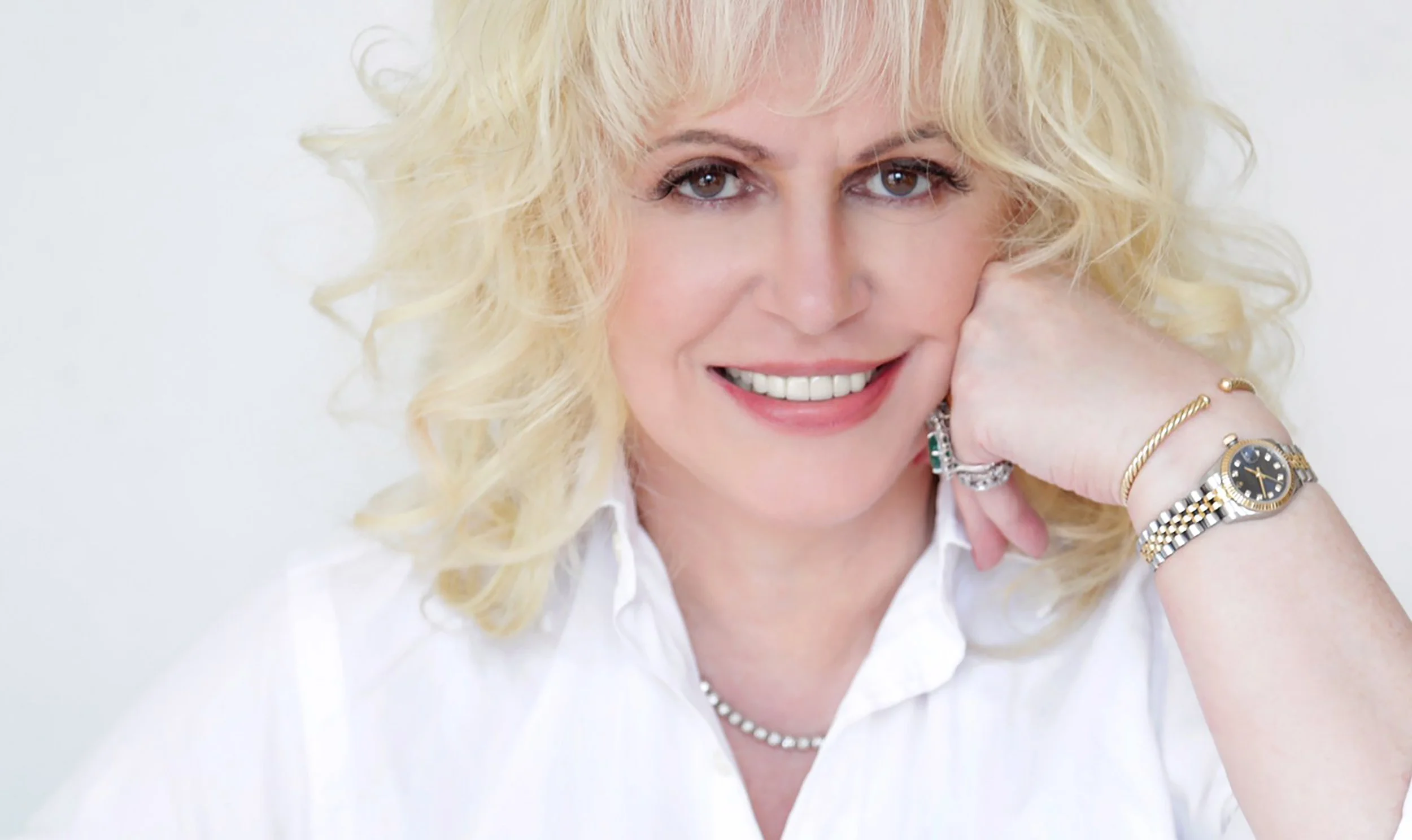
PBL Magazine sits down with Dr Rita Rakus, founder of the Rakus Clinic in Knightsbridge and one of the UK’s best known figures in aesthetic medicine. A co founder and Fellow of the British College of Aesthetic Medicine, Rakus has spent decades helping shape the non surgical aesthetics sector through clinical practice, innovation, training and a strong focus on patient safety. In celebration of the upcoming International Women’s Day, we discuss how opportunities for women in aesthetics have changed, where progress still falls short, what credible authority looks like in a crowded market, and why standards, mentorship and regulation remain central to the future of the profession.
You’ve watched aesthetics evolve over decades. What has genuinely improved for women in the industry, and what still hasn’t shifted enough?
What has improved dramatically is access to opportunity. Women now enter aesthetics with medical credibility, entrepreneurial ambition and far greater visibility than when the industry first began. They are opening clinics, leading innovation and shaping patient expectations in ways that simply weren’t possible before.
When I started out, aesthetics was dominated by male surgeons. As non-surgical treatments expanded, the landscape shifted. Cosmetic medicine is increasingly being led by women, with many female dermatologists branching into anti-ageing and aesthetics. This change is reflected within professional bodies too - since co-founding BCAM in 2000, membership has grown significantly, with women now forming a substantial proportion of both members and leadership. It has now grown to 490 members, 202 of which are women.
At the Rakus Clinic, we have always believed that authority should be earned through outcomes, training and integrity, not volume, noise or trend alignment. A long-standing commitment to clinical excellence, innovation and patient safety is what allowed us to break through early and maintain our position over decades. While progress has been significant, maintaining standards remains critical in an industry that has grown rapidly.
When you started out, what was the biggest barrier for women, and what is the biggest barrier now?
Initially, the biggest barrier was access, limited training pathways, mentorship and professional legitimacy in a field that was still forming and largely male-dominated.
Today, access is no longer the challenge. The industry has expanded quickly, but not always responsibly. Women now must work harder to distinguish themselves in a crowded, under-regulated space where excellence and mediocrity can sit side by side. The challenge is no longer entry; it is maintaining standards without compromise while continuing to innovate responsibly.
Patient demographics have also evolved. Around 25% of patients are now male, many seeking subtle, no-downtime treatments that deliver gradual improvement wanting to look refreshed and in control rather than “done”. At the same time, many women prefer being treated by female practitioners, valuing the empathy and shared understanding that comes from lived experience.
What do you think women in aesthetics still get penalised for that men are more often rewarded for?
Women are still penalised for precision. Clinical caution is often mistaken for a lack of confidence, and saying “no”, whether ethically or medically, can be perceived as a commercial weakness. In reality, that discernment is exactly what underpins safe, effective, long-term outcomes.
Historically, women were also penalised for balancing family life with leadership. This has improved significantly in recent years as practice ownership and working models have evolved, but cultural perceptions still lag behind reality. Clinical integrity, investment in education and bespoke patient care should be recognised as strengths, not limitations.
In business terms, where do female clinicians most often undersell themselves – and how do they stop?
Fees and visibility remain the most common pressure points. Many women still feel compelled to justify their pricing rather than confidently anchoring it in outcomes, experience and patient safety.
The shift comes from building systems that reflect value: premium protocols, consistent messaging, highly bespoke treatment planning and sustained investment in advanced technologies. Where areas such as financial negotiation or planning aren’t core strengths, seeking expert advice is essential. Strong clinical practice must be supported by equally strong business foundations.
What does “credible authority” look like in aesthetics today, and how can women build it without playing a persona?
Credible authority today is innovation- and evidence-led. It belongs to clinicians who fully understand the technologies they use, invest responsibly, and know how to layer and combine treatments to deliver personalised outcomes rather than one-size-fits-all solutions.
“At the Rakus Clinic, authority comes from decades of clinical practice, continual reinvestment in new technologies and an approach from our carefully curated team of medical experts centred on bespoke treatment plans. Women don’t need to perform authority, they need to embody it consistently. In a digital age, it’s easy to forget that true authority is built over time.
Key foundations include thorough training, professional memberships such as BCAM, mentorship, conference attendance and rigorous monitoring of patient feedback, safety and results.
Social media has changed who gets heard. What has it unlocked for women, and what has it distorted?
Social media has given women direct access to visibility, allowing clinicians to attract patients aligned with their expertise, values and treatment style. It has enabled ownership of narrative in a way traditional media never did.
However, it has also intensified challenges around unrealistic expectations and body dysmorphia. The responsibility to educate, set boundaries and manage psychological wellbeing now sits alongside any digital presence.
What do you want to see improve next – training standards, patient safety, regulation – and what role should senior clinicians play?
Training standards and regulation must evolve together. Clearer pathways, stronger accountability and zero tolerance for unsafe practice are essential.
Senior clinicians have a responsibility to lead visibly, through mentorship, involvement in regulatory boards, speaking out when standards are compromised, and supporting clinics, technologies and treatment approaches that prioritise safety, innovation and patient outcomes over speed or scale.
If a woman is entering aesthetics now, what are the three non-negotiables for her first two years?
First, she must be fully trained and properly experienced in every treatment she offers. Second, she should join the relevant professional bodies, including BCAM, and of course maintain the appropriate regulatory registration, because those networks matter for clinical standards, safety, insurance and peer learning. Third, she should work with a mentor, or ideally mentors, and stay close to ongoing education through conferences and professional meetings. For me personally, patient feedback is essential, and the team at the Rakus Clinic monitors this closely alongside results for each patient and, above all, safety, which has been recognised through our Lifetime Achievement Award in Safety in Beauty.




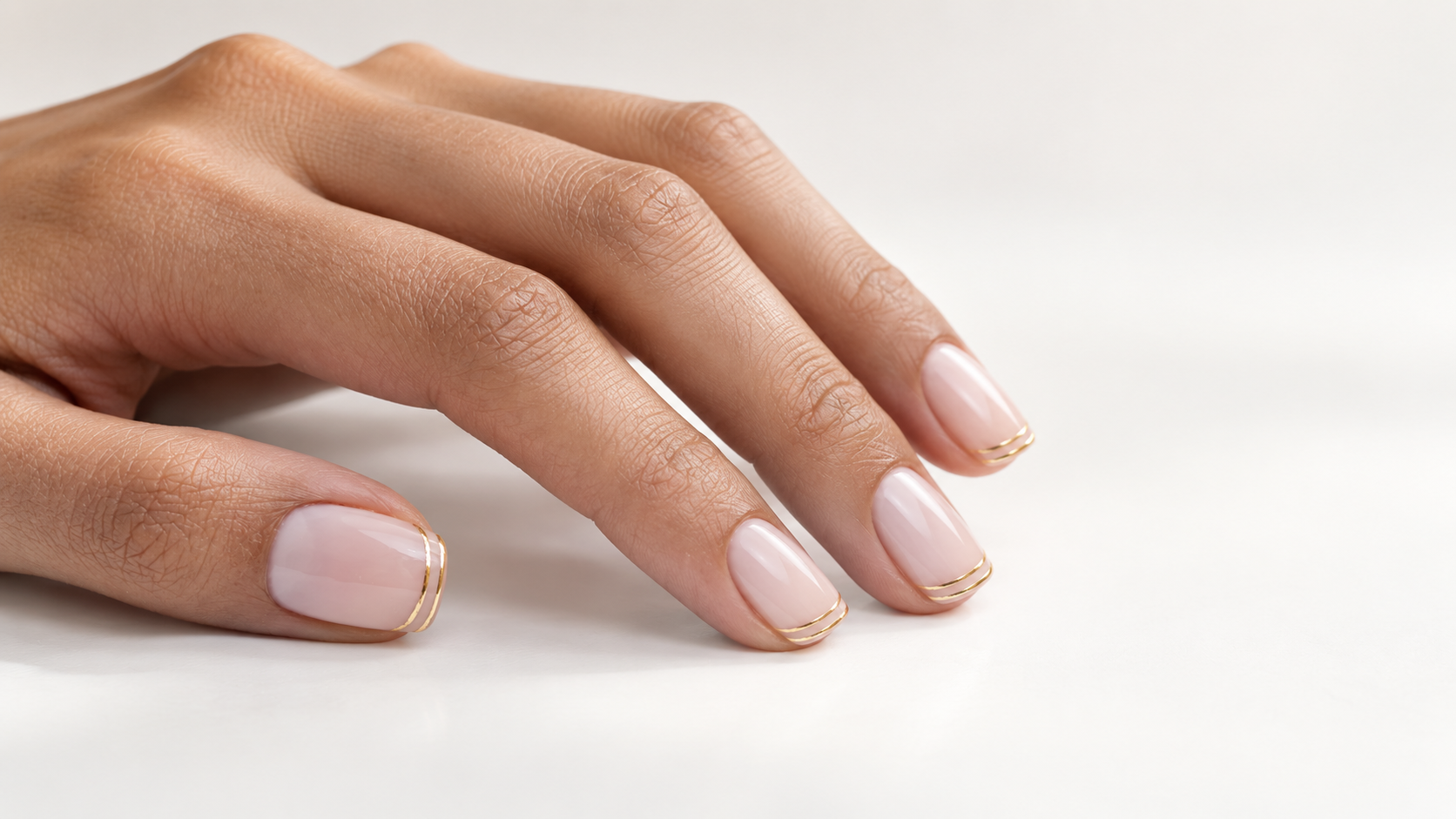
Their precise finish and promises of lasting wear have made Ukrainian and Russian manicures objects of fascination. Understanding the appeal starts with separating the treatment names from the techniques, and knowing where meticulous preparation should stop.