
How Energy Devices “Read” the Face Layer by Layer
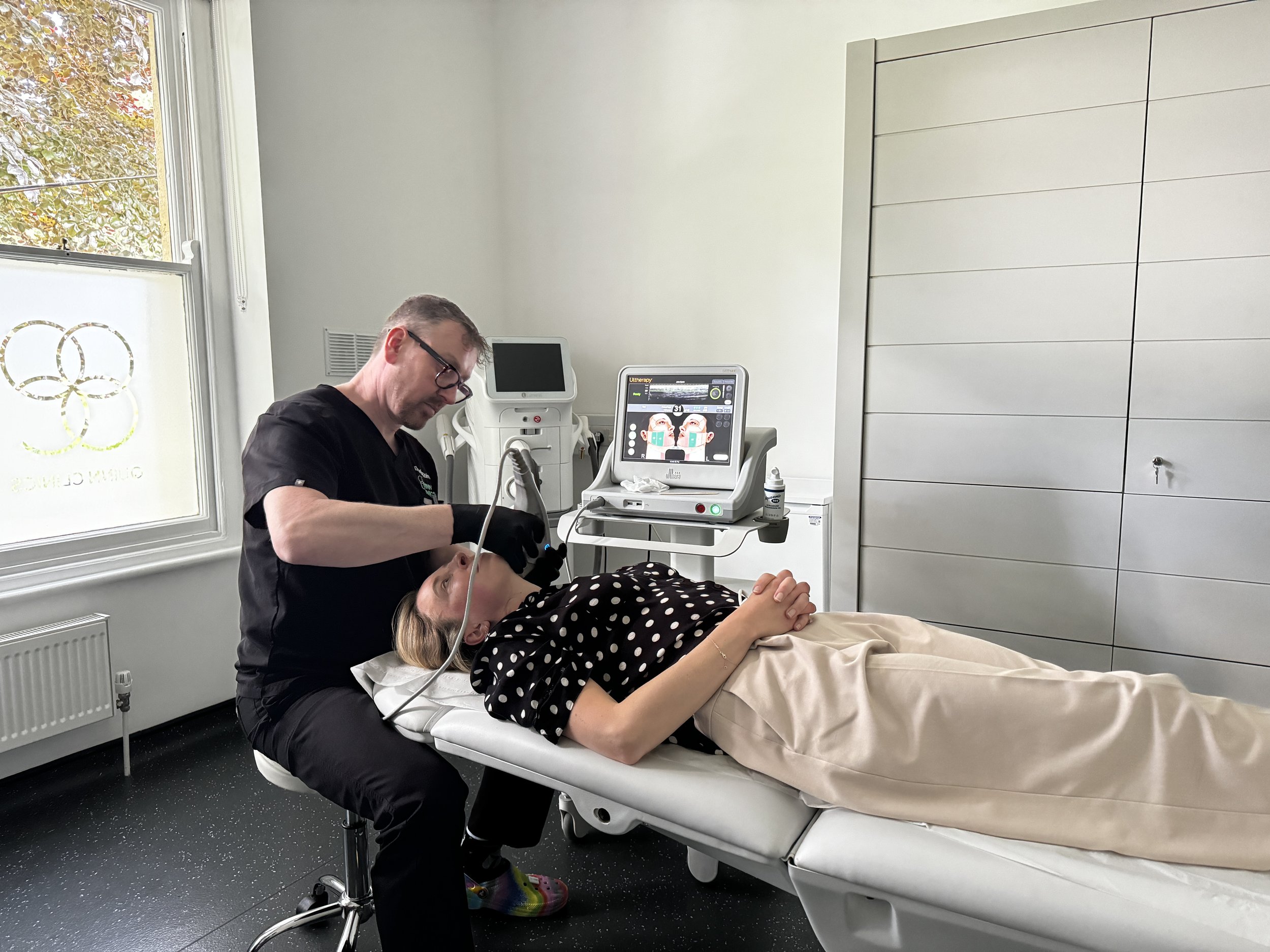
Aesthetic medicine still has a lazy shorthand problem. Patients say “laser” when they mean anything from pigment correction to dermal tightening to deep-plane lifting, and plenty of clinics let the catch-all stand because it is convenient. Dr John Quinn, founder of Quinn Clinics, argues that this is where outcomes start to drift, because the decisive variable is rarely the brand name on the console. It is depth.
The useful way to think about today’s energy based category is as an anatomy-led language for facial change. When you map technology to tissue, the either injectables or devices debate starts to feel dated. Injectables can sculpt and soften quickly, but they do not resurface, rebuild sun-damaged collagen architecture, or contract lax fibrous planes in a way that mimics surgical vectors. Devices, at their best, behave like targeted biological cues: thermal, acoustic, plasma or light-driven signals that prompt remodelling in specific compartments. That compartmental thinking is also where safety lives, because depth mistakes are how you get burns, scarring, fat loss, nerve injury, or the quietly catastrophic outcome where “tightening” becomes deflation.
The deep plane
If there is one layer a professional should be able to describe with confidence, it is the SMAS, the fibromuscular scaffold surgeons lift in facelift surgery and the reference point for focused ultrasound. Its relationship to fat compartments and fascia is part of why vector and depth matter.
High intensity focused ultrasound is designed to create discrete thermal coagulation points at set depths, including deeper planes that sit well beyond epidermal glow territory. This is where energy devices earn their place in lift conversations thanks to their power in targeting structural support. To create a lift in the deepest plane, which is unreachable by surface lasers or radiofrequency, consider HIFU treatments like Ultherapy.
Fascia and support tissue
Between skin quality and lift sits the material patients rarely name but always feel: the fibrous support network that dictates snap-back, jawline clarity and how a face holds itself when volume shifts with age or weight change. This is where radiofrequency-based tightening and hybrid approaches compete (think FaceTite or Exilis Ultra 360), because radiofrequency is essentially a controllable way to deliver heat, and heat is the signal that makes collagen contract and remodel. When clinicians talk about internal support, they are often talking about how consistently they can hit these fibrous tissues without overheating the surface.
The closer you work to supportive planes, the more your treatment becomes an engineering problem: thermal dose, duration, impedance, contact, cooling, and patient-specific variables such as adiposity, laxity pattern and skin thickness.
Subcutaneous fat and contour
Aesthetics has entered an era where snatched is not always the goal. Patients are arriving with a sharper eye for fat loss, sometimes because weight loss has already changed the midface, sometimes because they have seen what aggressive energy can do when it drifts into adipose. This is the layer where your consultation needs adult language. “It’s about more than looking good in the short term,” Dr Quinn explains. “It’s about improving how the skin functions, so results last longer, look natural, and maintain overall skin health.”
When radiofrequency microneedling or deeper radiofrequency devices are used without meticulous parameter control, the consequences can be far more than a bit of swelling. The downside can be burns, scarring, fat loss, disfigurement, and nerve injury. For clinics positioning contour-focused radiofrequency, it’s key to consider - are you selling tightening, or are you selling controlled remodelling with a plan for volume preservation?
Deep dermis
This is where resurfacing stops being a marketing term and becomes histology. Ablative fractional resurfacing is a classic example; it creates columns of ablation and thermal injury that can extend into the dermis at measurable depths depending on settings. In real-world terms, this is the layer for etched lines, acne scarring, dermal elastosis and textural ageing that cannot be filled, frozen or hydrated away.
To soften wrinkles, scarring and deep set dermal ageing, focus on treatments such as Neogen Plasma or Lumenis UltraPulse CO2 DeepFX.
Don’t romanticise downtime. Be precise about what you are buying with it. Deep dermal work is where you can change the way light sits in the skin because you are changing the architecture that light hits.
Upper dermis
If the deep dermis is the structural renovation, the upper dermis is finish and feel: crepiness, early laxity, pore texture, fine lines, subtle pigment changes that look worse under bathroom LEDs than they do in daylight. Radiofrequency microneedling sits here as a workhorse category because it can heat the dermis while minimising epidermal disruption.
This is also where the market gets noisy (with options like Laser Genesis, PicoStar Rejuvenation, LaseMD and Lumenis Ultra ActiveFX ), because in recent years collagen banking language has appeared everywhere, which elaves a professional to consider how this translates to an in-clinic setting and how to educate clients. Upper dermal work can be positioned honestly as incremental remodelling that stacks over time, especially when paired with sun behaviour, topical retinoids, and barrier-respecting maintenance.
Epidermis
At the surface, the main goals are to target pigment, redness, diffuse tone, and that difficult-to-define quality patients call radiance. IPL and vascular lasers live here (such as Lumenis M22 IPL, Cutera xlv, Ultrapulse CO₂ (light modes) and PicoStar Sskin rejuvenation), and they tend to be underestimated because they do not promise a dramatic lift. Yet epidermal and superficial vascular improvements are often what make a face look well, even when the patient cannot point to one dramatic change. This is where patient satisfaction can be won quietly.
Energy stacking, as a concept, is a corrective to single-treatment thinking. “Each device targets a specific layer of the skin, and it’s the combination of depth and energy type that ultimately determines the result. When you treat the right layer with the right energy, outcomes become predictable, natural, and genuinely regenerative” shares Dr Quinn. When used and stacked correctly - energy devices can provide transformative, long lasting natural results that imrpove skin health. They shouldn’t be considered as alternatives to injectables so much as they are different verbs. Injectables shape and relax. Devices remodel and refine. When you stop forcing one modality to impersonate the other, you get better outcomes, cleaner patient expectations, and fewer complications disguised as normal swelling.
The clinics that win the next phase of energy based aesthetics will be the ones that can look at a face, describe the primary layer of the complaint, match it to a mechanism, and explain the trade-offs with confidence. Depth is the story patients have been missing, and it is the story that makes energy devices read less like gadgets and more like medicine.

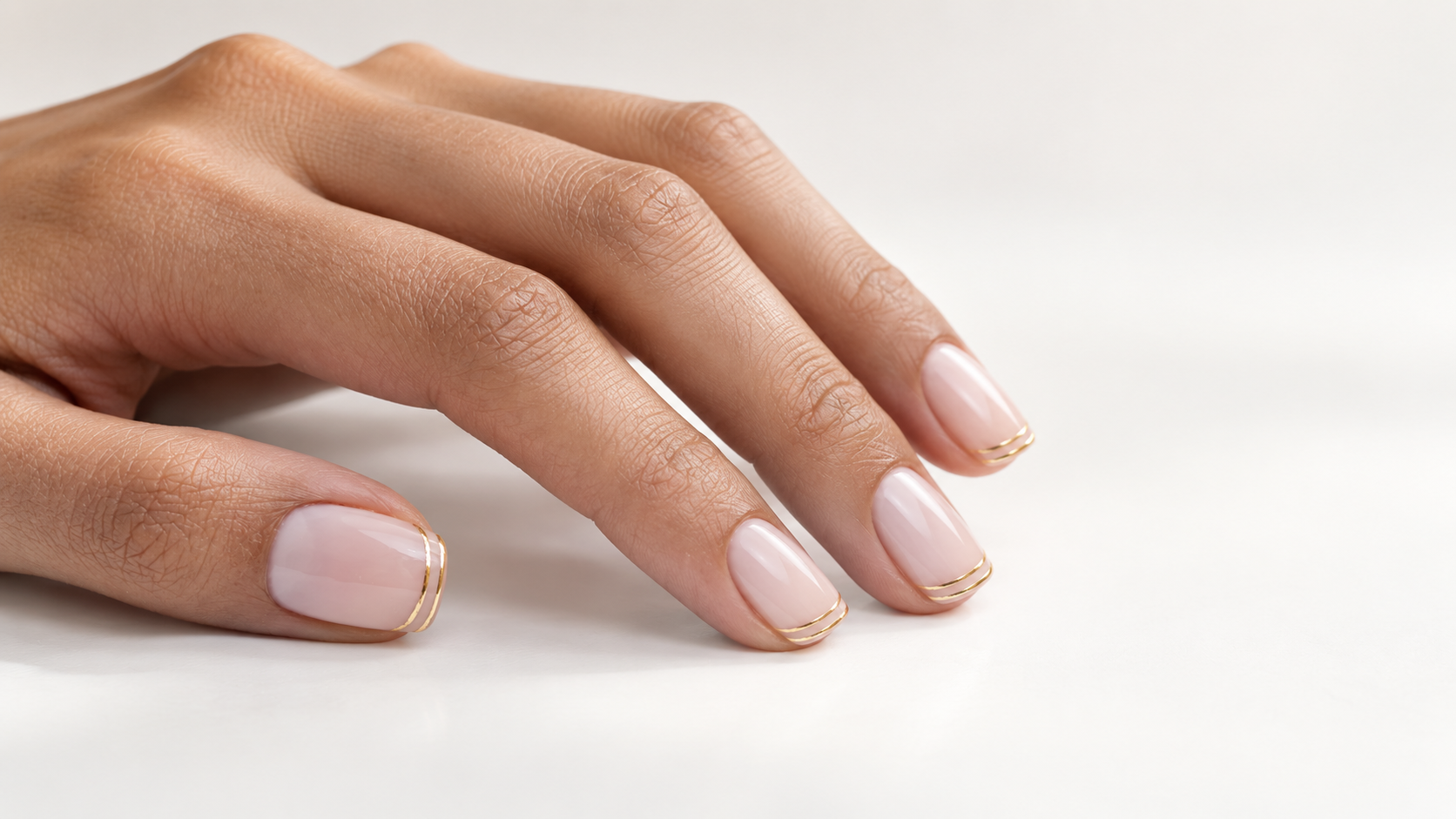

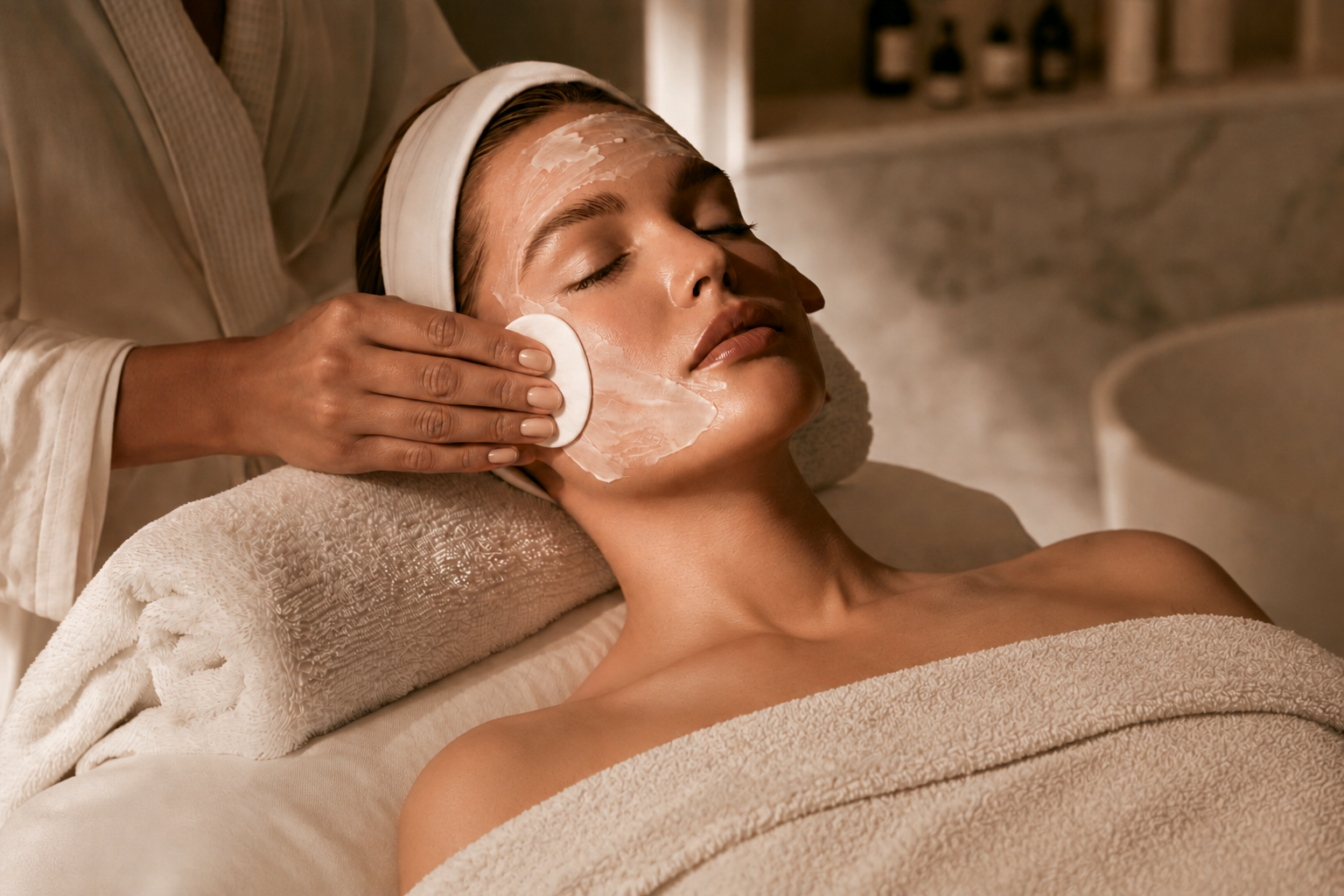




Joe Hill’s latest colour forecast keeps the depth associated with autumn, then brings back the light with mocha chocolate, precisely placed gold and a finish designed to glow.