
Rosacea in Skin of Colour and the Diagnostic Blind Spot the Industry Still Needs to Fix
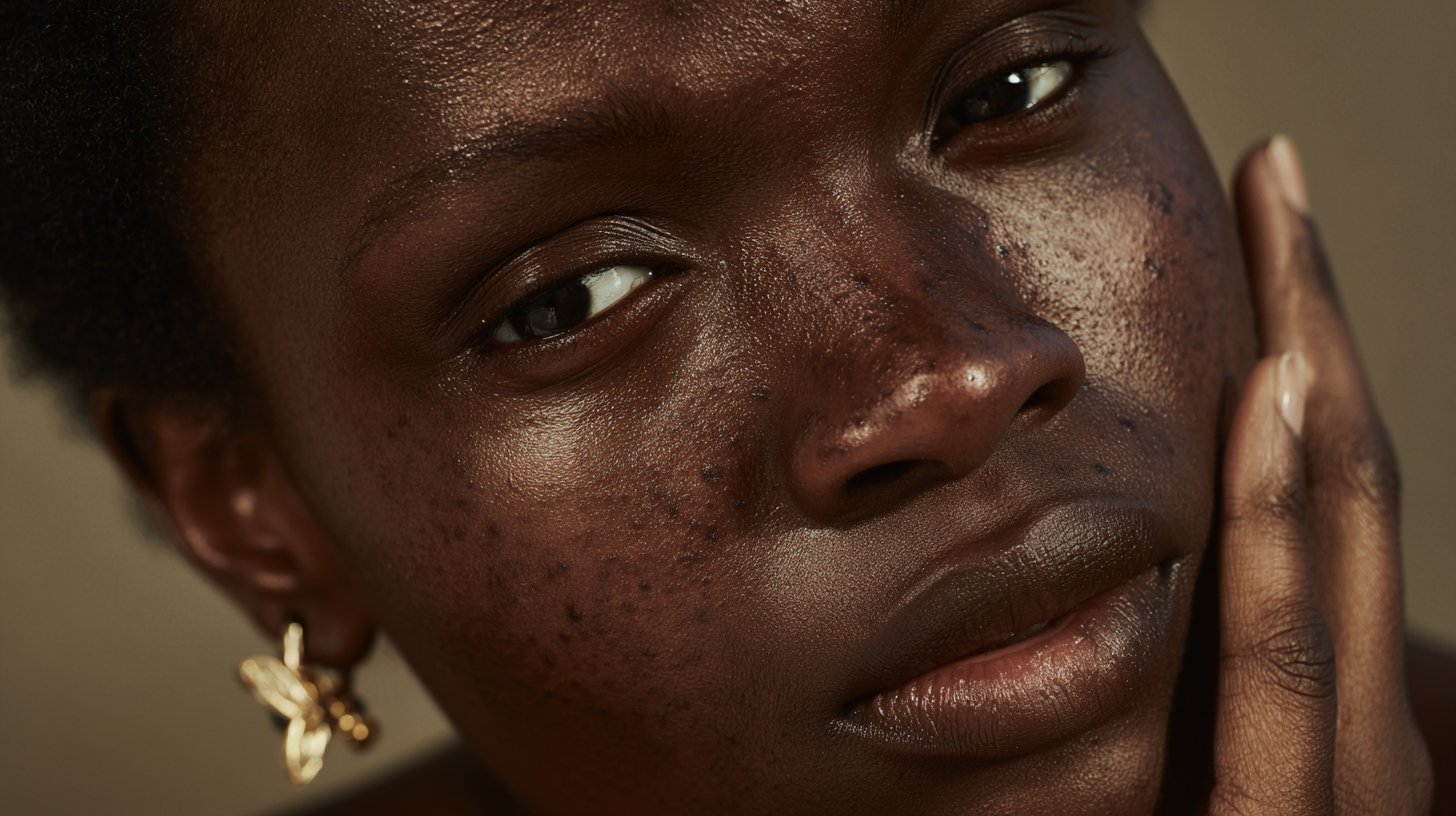
Rosacea still carries a stubborn visual stereotype in professional education, product marketing and even clinical conversation. It is too often taught as a condition of fair skin, recognised by persistent facial redness and visible vessels, then mentally filed under a narrow patient profile. That framing has never been good enough. It is now actively unhelpful.
The truer position is that rosacea is diagnosed more often in lighter skin, but in skin of colour it is frequently underrecognised, underreported and diagnosed later, in part because hallmark visual features such as persistent erythema and telangiectasia can be harder to detect. Reviews in JAAD and other dermatology publications have been saying this for years, and the message has only become more relevant as aesthetic clinics serve increasingly diverse patient populations.
Dr Ginni, co-founder and Medical Directior of ESK Skincare addresses the core misconception directly: “Rosacea is often described as a condition of fair skin, but newer data tells a different story. In a 2025 US cohort, nearly 70% of rosacea patients were people with skin of colour.”
That newer evidence has sharpened the conversation. A 2025 JAAD International cross sectional study in a diverse San Francisco primary care cohort found that around 70 percent of rosacea patients in the analysed group were from skin of colour populations. The authors also reported higher oral therapy use among some skin of colour groups and discussed this as a possible marker of more moderate to severe disease, while noting limitations in using treatment patterns as a proxy for severity.
Dr Ginni also highlights the severity concern in plain terms: “Not only does rosacea occur in skin of colour, it may present more severely. Black patients in the study had more than five times the odds of moderate to severe disease compared with White patients.”
This does not mean prevalence and severity are now “settled” across every population or setting. It does mean the industry can no longer rely on old shorthand. The visual stereotype has outlived its usefulness and can actively delay recognition.
Dr Kai is equally clear on this point: “Rosacea is absolutely not an exclusively a condition affecting only fair skin. As Dr Gini has highlighted there is significant emerging evidence suggesting rosacea may be just as prevalent in skin of colour as those with Caucasian skin tones.”
Where things become especially difficult in practice is presentation. Dr Kai explains why rosacea is so easy to miss in earlier stages in richer skin tones: “There are however, important differences in how it may present. Although the distribution may be similar, in skin of colour, particularly in the early stages, visible redness may be minimal or absent. With little to see, often resulting in dismissal of any issues (even by medical professionals). The first presentation may even be hyperpigmentation resulting from inflammation ( post inflammatory hyperpigmentation).”
For beauty professionals who are often the first point of contact for rosacea - especially in undiagnosed skin of colour, it’s key to recognise the condition and shift assessment away from a redness first model and recognise the limitations of traditional descriptors built around visible redness when applied across pigmented skin tones.
If visible erythema is not a reliable entry point, consultation quality becomes the deciding factor. This is where a symptom led approach is necessary. Dr Ginni states it plainly: “The real issue isn’t rarity, it’s recognition. Redness can be harder to detect in darker skin tones, so rosacea is often diagnosed later.”
She then points to the practical adjustment clinics need to make: “It's important to go beyond just visual diagnosis and pay closer attention to symptoms such as burning, stinging, and sensitivity.” This is exactly where history taking needs to become more deliberate. Published reviews on rosacea in skin of colour repeatedly stress the importance of symptom pattern, triggers and sensory complaints, particularly where patients present with central facial papules and pustules that do not behave like acne.
Dr Kai reinforces that process in clinically useful language: “This highlights the importance of thorough history taking. Targeted question of symptoms is crucial; including burning, stinging or irritation and explore potential triggers such a as heat, cold, alcohol, stress or spicy foods.”
In practice, this is where many treatment plans go wrong. A patient with inflammatory lesions may be funnelled into acne protocols, exfoliation or repeated barrier stress, while the underlying rosacea pattern remains underrecognised. In skin of colour, that carries an added risk because inflammation and irritation can drive post inflammatory hyperpigmentation, which may become the most visible complaint while the inflammatory process continues. Reviews focused on rosacea in skin of colour discuss this risk and the need for careful treatment selection.
Dr Ginni offers a concise clinical checkpoint that belongs in every consultation room: “When patients with skin of colour present with mid-facial papules plus burning or stinging, rosacea must be considered. It is not a ‘pink skin only’ condition.”
Dr Kai also underlines the value of early action once suspicion is raised: “In my experience, early intervention is key with careful identification of triggers and a focus on both anti inflammatory and anti pigmentation products to prevent permanent skin damage .”
Rosacea education needs to move beyond a single visual template. Training materials should include symptom based recognition in diverse skin tones, not only high contrast images of erythema. Consultation forms should capture trigger history and sensory symptoms. Referral pathways should be clear, especially where there is recurrent inflammation, treatment resistance, or possible ocular involvement.
The misconception persists because it has been repeated for years in teaching language, brand messaging and visual references. That is exactly why it needs to be corrected at trade level, where many clients enter the care pathway first.
Dr Ginni’s final point is the one the sector should keep front of mind: “It's impossible to treat what remains undiagnosed. If we persist in presenting rosacea solely as a condition of fair skin, we won't recognise or diagnose it in people with skin of colour.”







Their precise finish and promises of lasting wear have made Ukrainian and Russian manicures objects of fascination. Understanding the appeal starts with separating the treatment names from the techniques, and knowing where meticulous preparation should stop.