

April marks Rosacea Awareness Month, a time to shed light on a chronic skin condition that is often misunderstood, yet affects a staggering number of people. In the UK alone, an estimated 1 in 10 people experience rosacea, with symptoms ranging from persistent redness to dryness, patchy texture, and visible blood vessels. Globally, that number reaches approximately 415 million individuals, many of whom struggle with flare-ups that can affect confidence and quality of life.
While there’s no permanent cure for rosacea, a consistent and carefully chosen skincare routine can make a significant difference. With the right approach, it’s possible to soothe irritation, strengthen the skin barrier, and minimise flare-ups over time. OBAGI Medical, a dermatologist-recommended brand, offers targeted solutions formulated specifically for sensitive, rosacea-prone skin. This science-led routine not only calms visible symptoms but also supports long-term skin resilience and restores confidence through daily care.
Step One: Cleanse With Care
A solid skincare routine begins with cleansing — but for rosacea-prone skin, not just any cleanser will do. Harsh foaming agents and exfoliants can strip away essential moisture and aggravate sensitive areas. The Obagi Nu-Derm Gentle Cleanser offers a kind yet effective alternative. Formulated with soothing natural ingredients, it lifts impurities without disrupting the skin’s protective barrier.
Used morning and evening, this cleanser helps create a calm canvas for the rest of your skincare, preparing the skin to receive moisture and nutrients without irritation.
Step Two: Defend With Vitamin C
Many with rosacea shy away from serums, fearing sensitivity — but the right formula can offer protection without provocation. The Obagi Professional-C Serum 10% is designed specifically for delicate, dry, or irritated skin. Its moderate concentration of Vitamin C delivers antioxidant defence against environmental stressors, brightens the complexion, and reinforces the skin's natural repair processes.
Applying this serum in the morning can help mitigate the effects of pollution and UV exposure — two common contributors to rosacea flare-ups — while enhancing overall radiance.
Step Three: Deliver Deep Hydration
Hydration plays a central role in managing rosacea. Dehydrated skin is more reactive, more prone to redness, and slower to heal. The Obagi Hydrate Facial Moisturizer offers up to eight hours of continuous moisture, calming dryness and restoring comfort without clogging pores.
This moisturizer is rich enough to provide relief, yet lightweight enough for everyday use. It’s particularly effective after cleansing and applying serum, locking in hydration when the skin is most receptive.
Step Four: Strengthen and Soothe
For an extra layer of nourishment, the Obagi Daily Hydro-Drops Facial Serum is a valuable final step. Featherlight in texture but potent in performance, this serum delivers botanical oils and antioxidants that support the skin barrier and maintain hydration levels throughout the day. Especially useful during colder months or in dry climates, Hydro-Drops offer a cushion of calm for inflamed or irritated complexions.
Step Five: Protect From the Sun
Sun protection is essential for anyone with rosacea, as UV exposure can trigger flare-ups. The OBAGI Sun Shield range is ideal for sensitive skin, offering broad-spectrum protection that shields your skin without causing irritation. Make sunscreen a daily habit to safeguard your skin and prevent flare-ups.
*
Rosacea may be unpredictable, but it’s certainly manageable. With the right skincare routine and a little patience, you can not only alleviate symptoms but also embrace the confidence to face the world. This Rosacea Awareness Month, OBAGI Medical encourages you to see sensitive skin as an opportunity for deeper care and innovation. By committing to a simple, targeted routine, you can glow through the flare, supporting your skin’s health and resilience every step of the way.
All products mentioned are available at skinstation.co.uk.
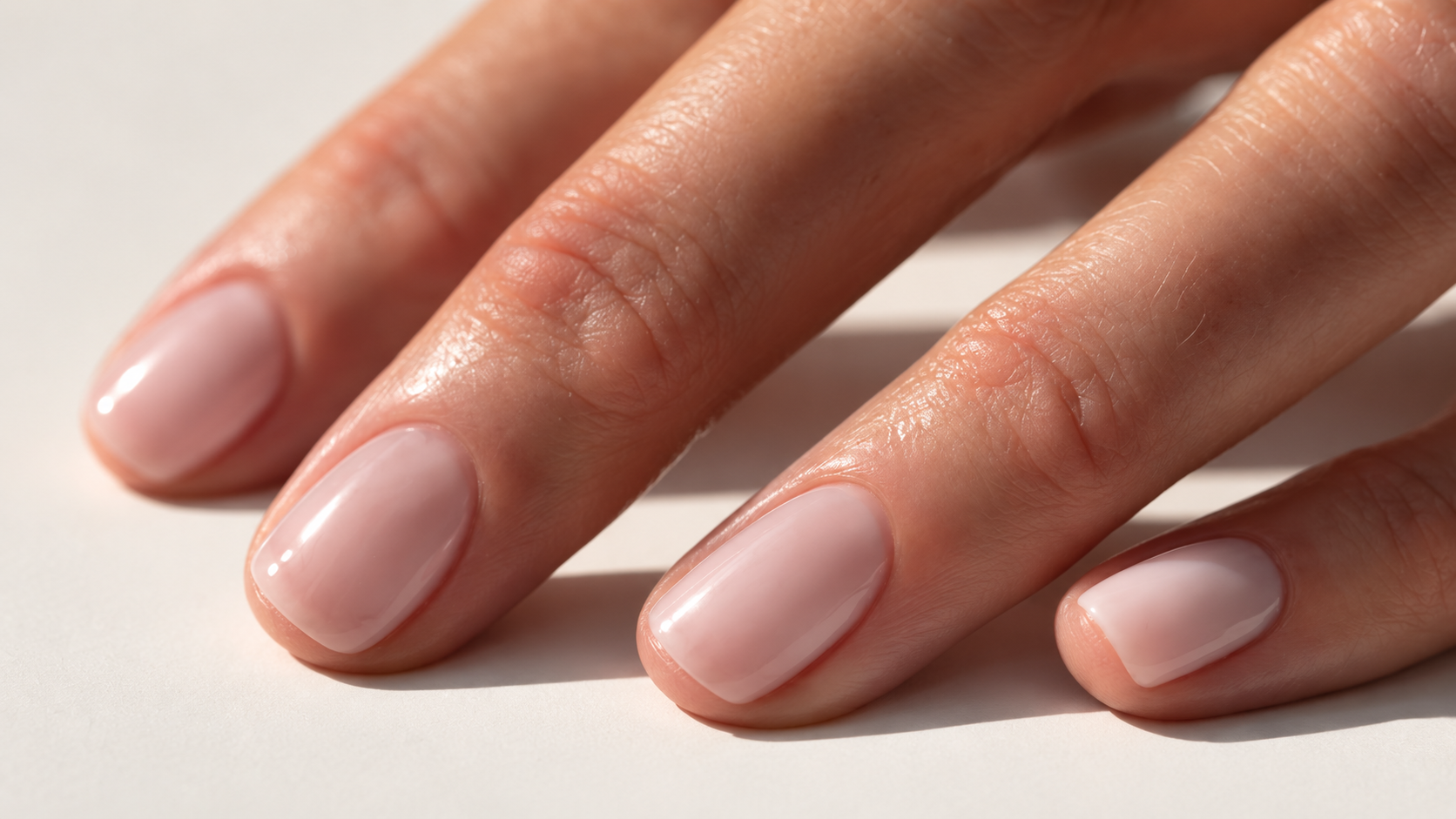
Their precise finish and promises of lasting wear have made Ukrainian and Russian manicures objects of fascination. Understanding the appeal starts with separating the treatment names from the techniques, and knowing where meticulous preparation should stop.

Katie Hughes-Dawkins writes candidly about the pressures and rewards of leadership in aesthetics, drawing on two decades of experience building teams and running businesses. From hiring the right people to accepting that you won’t always be liked, she shares the lessons that have shaped her approach, including why kindness matters and when it’s time to put your own wellbeing first.

From digestive health to the changes that accompany menopause, food has an important part to play in how we feel. Registered dietitian Laura Tilt explains what eating for your health can realistically achieve, and how to make the advice work beyond the shopping list.

Six Senses, Rosewood, Equinox and Nammos are shaping a Saudi coastal destination where longevity programmes, sleep and recovery, Arabian spa rituals and social wellbeing sit within one ambitious masterplan.

Joe Hill’s latest colour forecast keeps the depth associated with autumn, then brings back the light with mocha chocolate, precisely placed gold and a finish designed to glow.
Once tights come back into circulation and the holiday suitcase is put away, the waxing appointment that seemed essential in June can start to look easy to postpone. Taking a break is entirely a matter of preference, but anyone who enjoys the results of regular waxing may find that their first appointment back in spring feels different from the ones they remember.
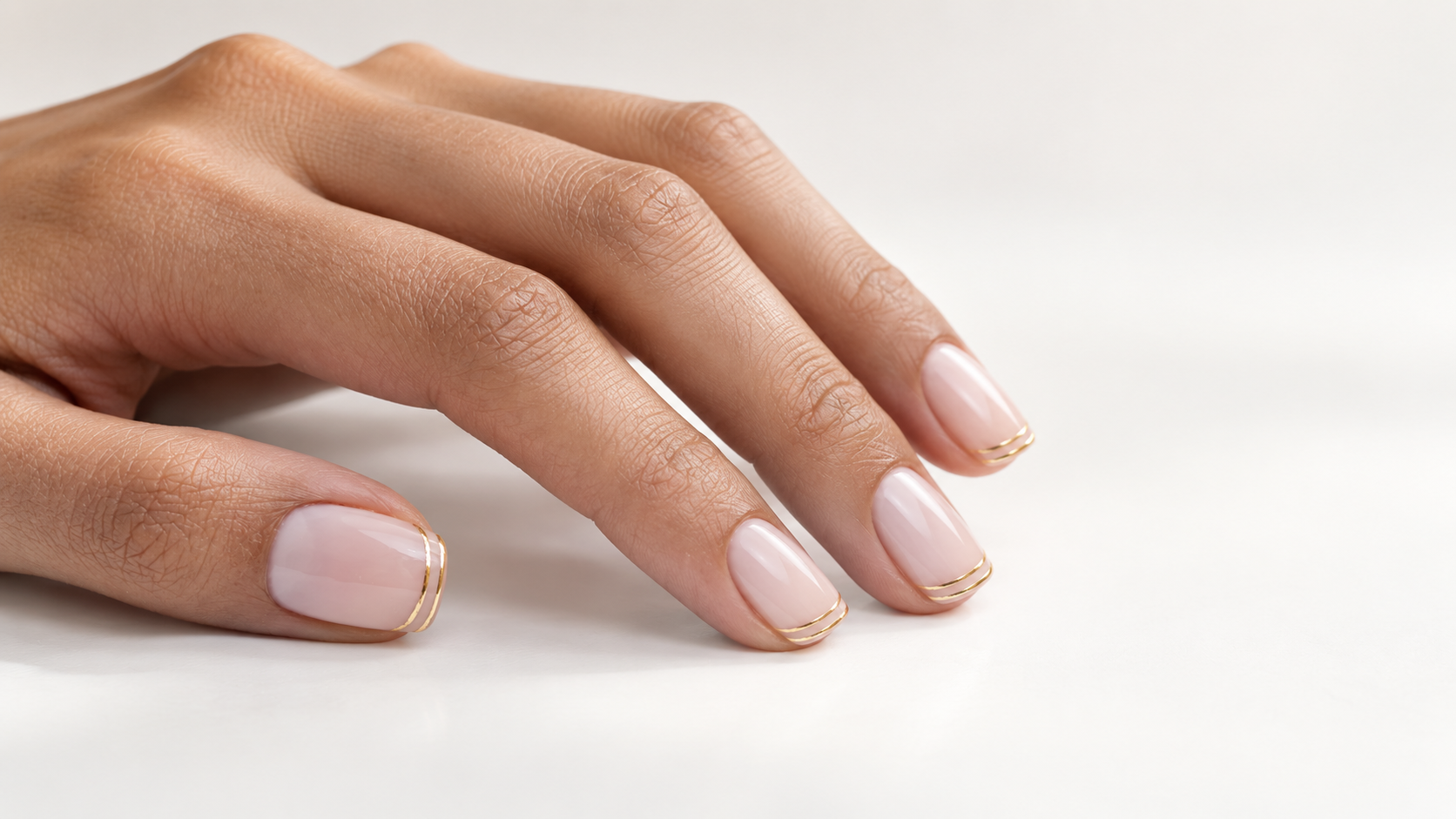
One ingredient, two regulatory timetables and shelves full of near-identical bottles. The new TPO rules call for a forensic look at stock, suppliers and lamps, not a panicked exit from gel. On a salon shelf, the change is almost invisible. The same orderly rows of builder gels, bases, top coats and colour remain in place, their labels as polished as ever. Yet a single line in an ingredient list now determines whether a product may enter the Great Britain market, how long existing stock may be supplied and what a salon should replace next. The three letters causing the stir are TPO. Online, the story has already been compressed into the sort of headline that travels quickly and explains very little: gel has been banned; every bottle must be binned; TPO and HEMA are the same problem but none of those statements are accurate.
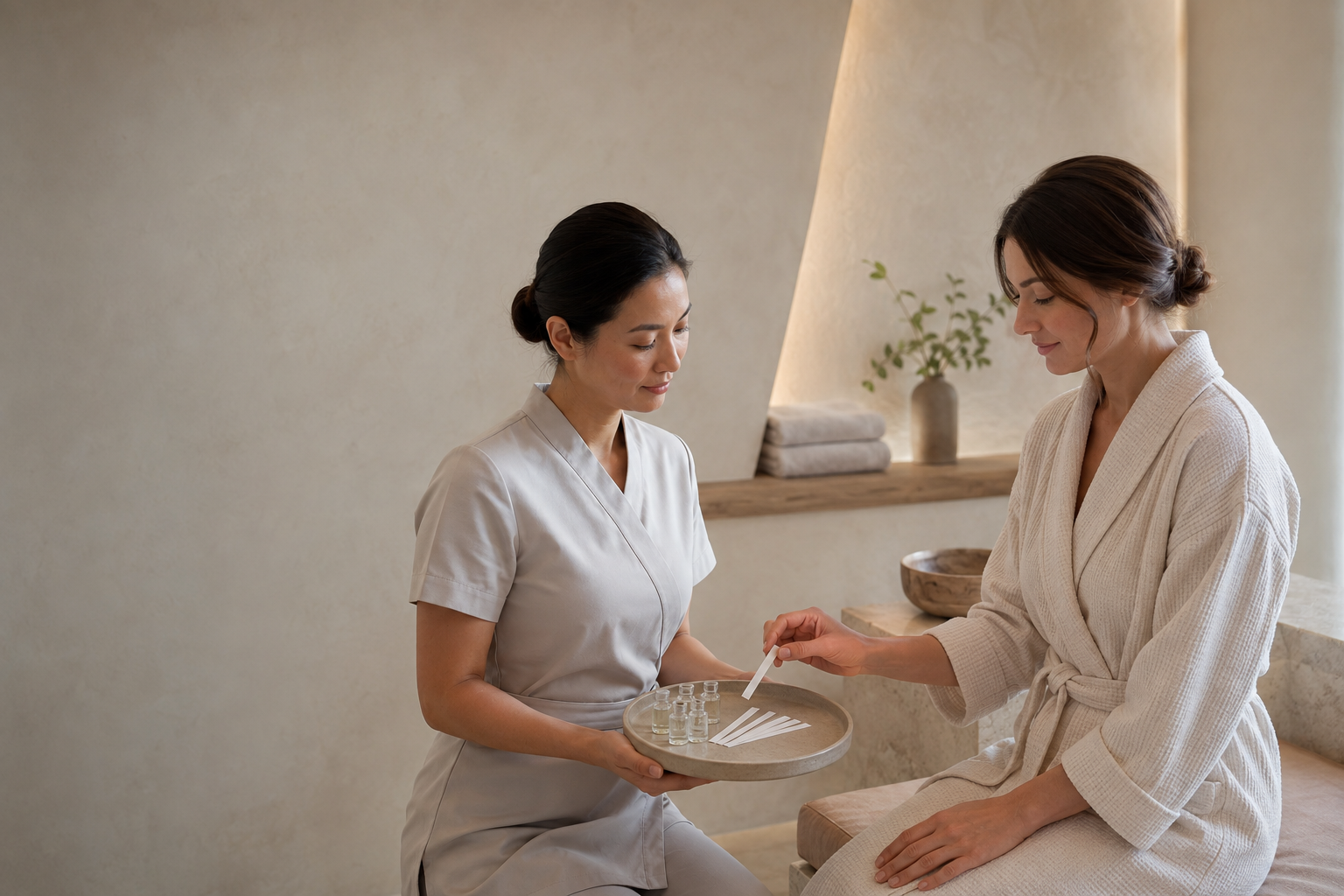
As Floral Street moves into hospitality, founder Michelle Feeney explains why fragrance deserves the same consideration as lighting, music and interiors, and why restraint is often the difference between a memorable scent and an overwhelming one.
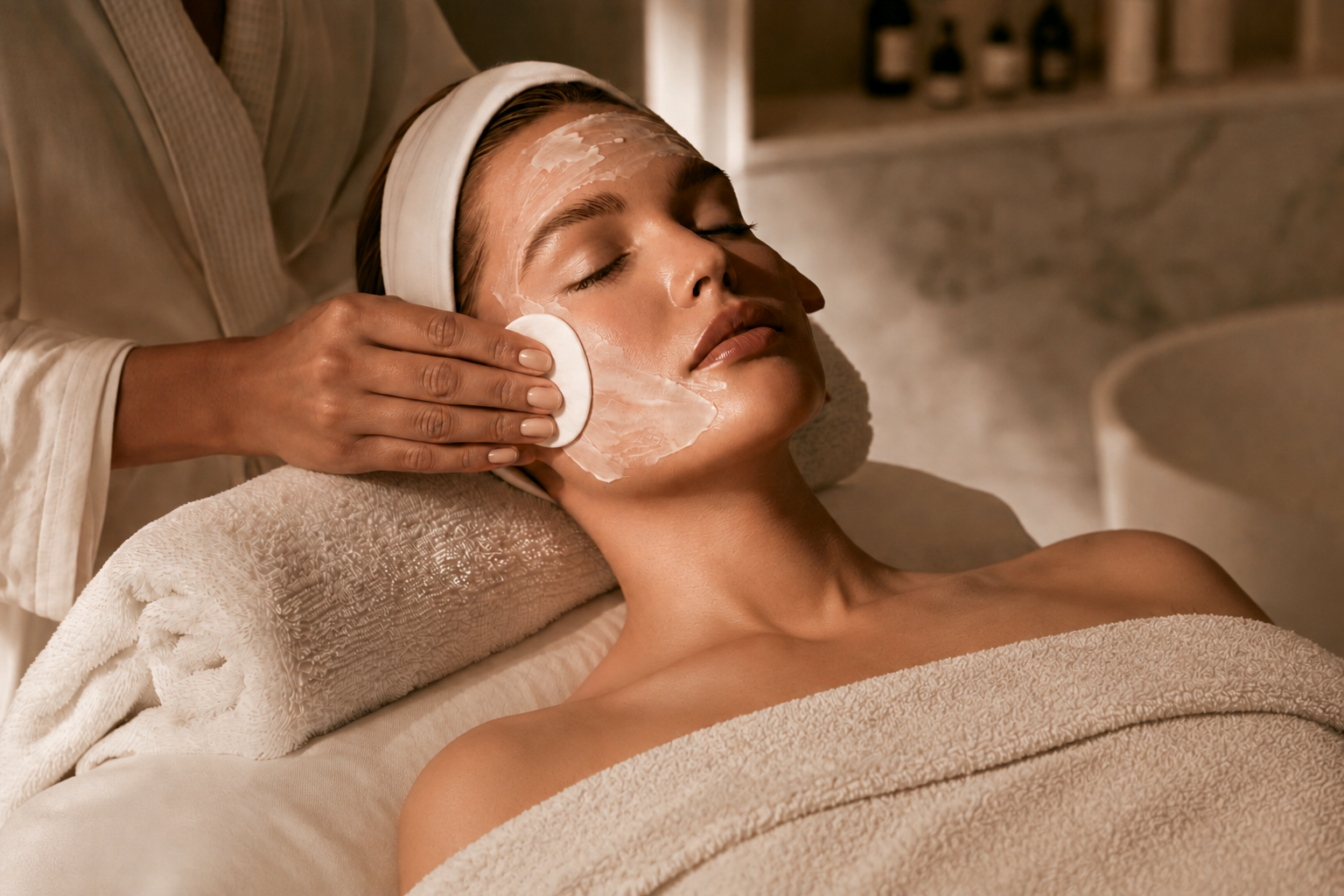
A skincare brand may arrive with an immaculate presentation, but the quality of the partnership is usually revealed later, when a therapist needs help, an order is delayed, the first operational problems surface or a guest discovers the products at a lower price online. Wildsmith Skin CEO Katherine Pye explains what spa operators should establish before signing.

Icy blonde and one-note brunette are losing their grip. According to Scullion & Scot’s award-winning colour team, the new season belongs to stone-washed blondes, smoke-veiled brunettes and copper with its brightness turned down.

Christmas has been creeping forward for years, but in 2026 it appears to have annexed August. While much of Britain was still buying SPF and attempting to make the most of the bank holiday, beauty brands are already opening waitlists, taking pre-orders and releasing some of the season’s most coveted advent calendars.

London's private members' clubs once competed over wine lists, dining rooms and the right sort of address. One of the capital's newest luxury propositions arrives with a rather different inventory: Lagree machines, infrared mats, a Himalayan salt sauna, Japanese scalp rituals and a wellness programme that can be informed by genomic testing.

There is a particular indignity in leaving the salon with a smooth, glossy blow-dry, only to feel the roots around your temples turn damp before lunch - something that has been unavoidable with the recent heatwaves, but can catch you out even without high temperatures. For women prone to scalp sweating, a hot commute, an exercise class or a menopausal flush can undo an hour’s styling in minutes.

With more than 18 years’ experience in senior hotel spa and wellness leadership, Lesley Bacon is Spa & Wellness Director at Good Spa Guide and a former Hotel Cateys Spa Professional of the Year. Here, she explores what today’s increasingly informed spa consumer really wants and shares how operators can deliver greater personalisation, meaningful value and a seamless guest experience.

Air travel can affect the skin long before take-off, with disrupted sleep, stress, dehydration and changes in routine all placing pressure on the skin barrier. Emma Wedgwood, Advanced Nurse Practitioner, Independent Prescriber and Clinical Director of Emma Wedgwood Aesthetics, sits down with PBL Magazine to share her views on the issue and explain her ‘72-hour flight window’ approach to preparing the skin before a journey and supporting its recovery after landing.

Building a successful business requires more than a good idea. As a company grows, founders have to make decisions about money, people, investment, visibility and how much of themselves they are prepared to give to it. For female founders, some of those pressures remain particularly acute. Entrepreneur and former NHS nurse Cassandra Sonma Ukaobi, known as Cass Uk, shares the lessons she no longer compromises on.

As more patients achieve significant weight loss with GLP-1 medication, clinics are seeing a corresponding rise in concerns about laxity, softness and loss of firmness. But what is actually happening within the skin, how strong is the evidence for altered fibroblast activity, and where can ultrasound-based collagen stimulation realistically fit into treatment planning? We talk to Dr Galyna Selezneva and Dr Aggie Zatonska to find out more.
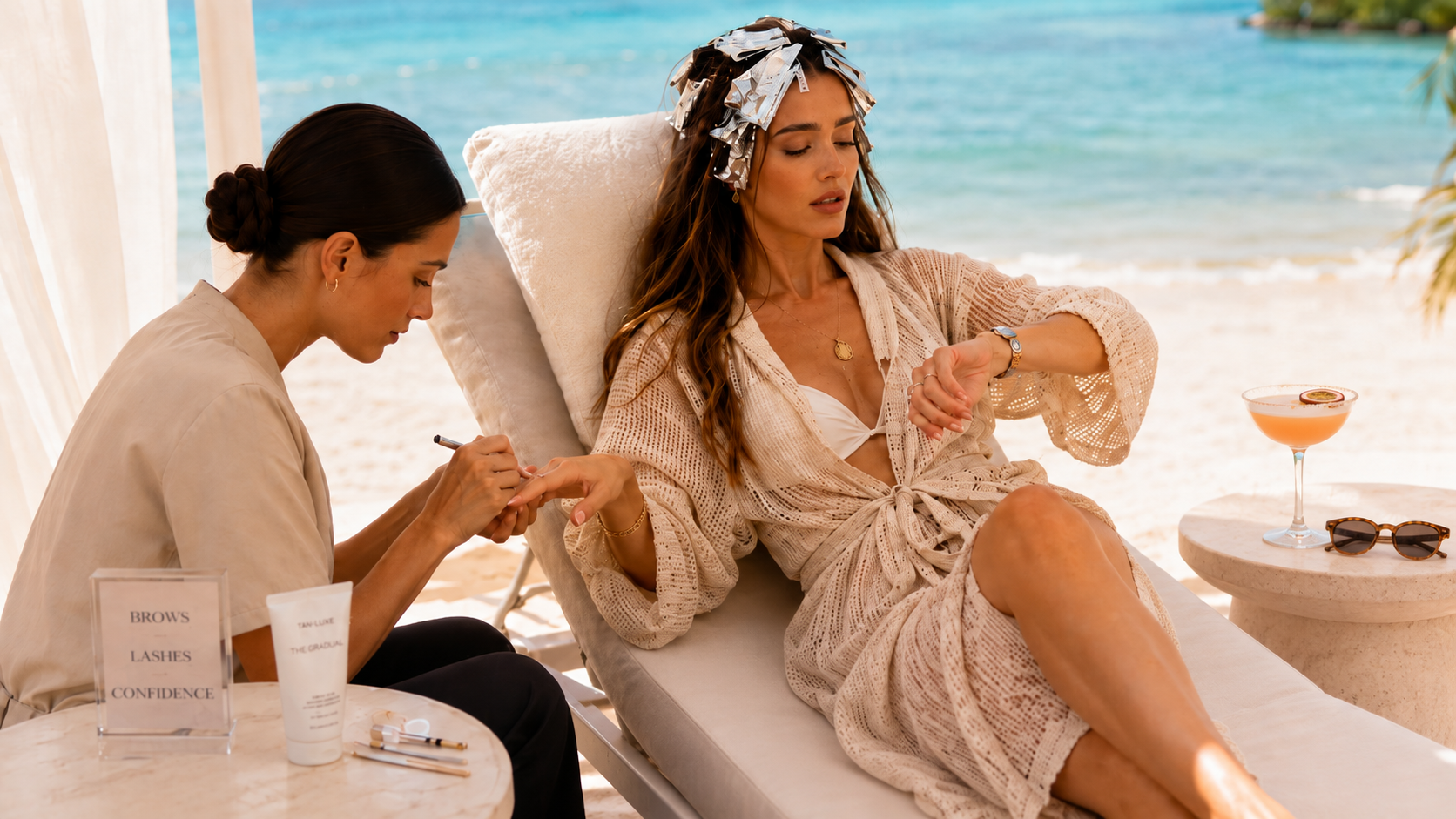
Trying to fit hair, nails, brows, lashes and tanning into the final days before a holiday can leave clients overwhelmed and salon diaries stretched. Annabelle Taurua, Beauty Expert at Fresha, shares how better planning can make the experience easier for everyone. The days before a holiday are often some of the busiest in a salon calendar. Clients want to feel polished before they travel, but many leave their appointments until the same narrow window, creating a rush that can be stressful on both sides of the reception desk.

Bryan Johnson has revealed a numbered longevity protocol for sauna, presented as everything a person needs to know about heat exposure and drawn from his own daily practice and bloodwork. The longevity entrepreneur, who sold Braintree to PayPal and spends a reported two million dollars a year on his own biology, has called sauna the most effective intervention he has tried.

Somewhere between the head spa and the silent treatment, the humble pedicure got ambitious. Book one of the new wave of 'zero gravity' appointments and the first thing that happens is that you lie down. The chair tips back until your feet sit above heart level, a weighted eye mask and noise-cancelling headphones appear, and somewhere at the other end of your legs a therapist gets on with what is, underneath it all, a very good pedicure.
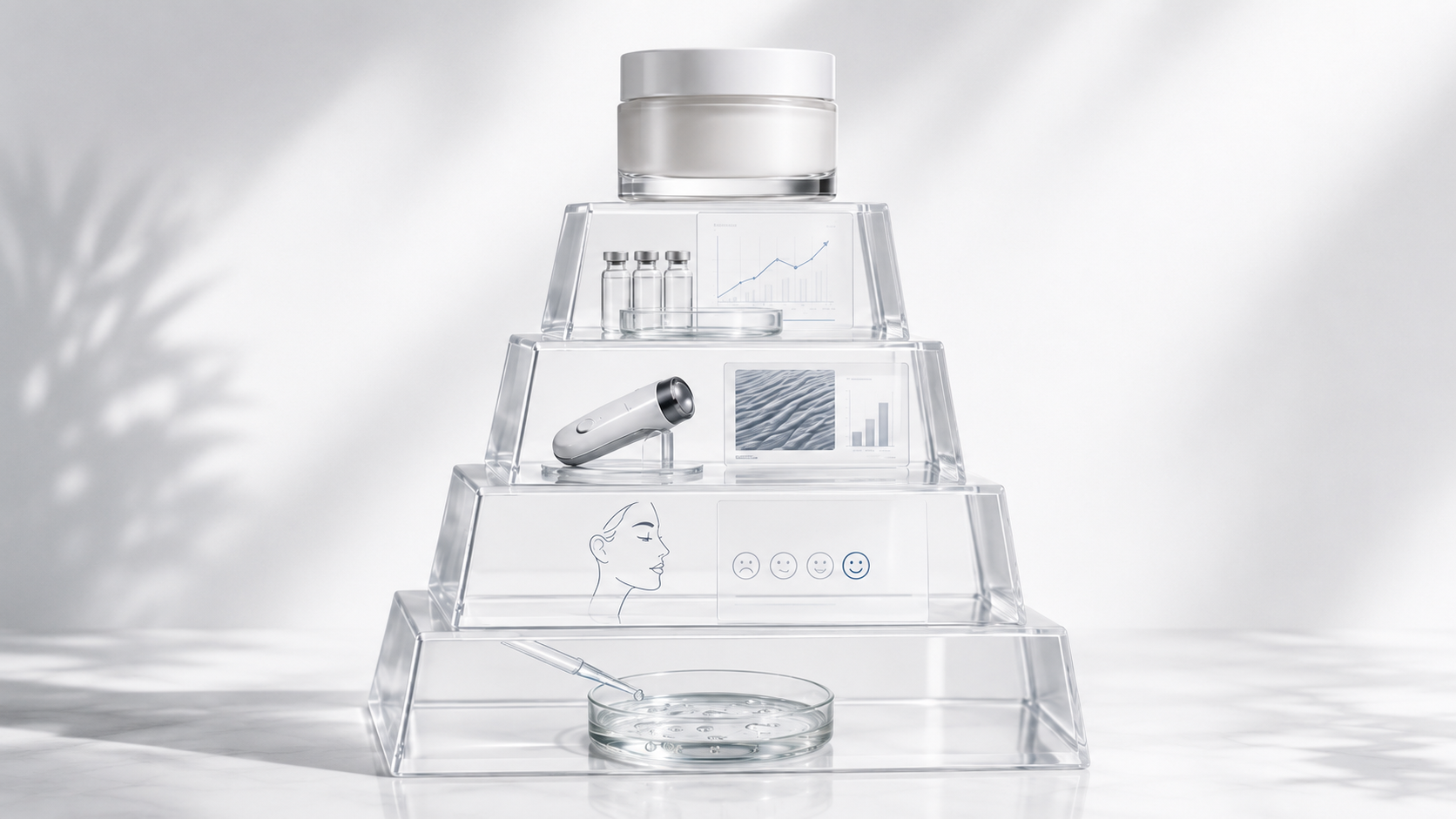
A run of Advertising Standards Authority rulings has put skincare efficacy claims back under scrutiny. We discuss with Consultant dermatologist Dr Clare Kiely why one phrase has come to describe very different levels of evidence, and what a credible standard of proof looks like from the cell to the mirror.

Collagen has become the beauty industry's shorthand for youthful skin. But as clinics and clients chase firmness and volume, a type of structural protein is getting far less attention than it warrants: elastin. For years the skin longevity conversation has belonged to collagen. It is the language of supplements, injectables, radiofrequency, microneedling, exosomes, LED and lasers, and of almost every professional treatment that promises firmer, smoother skin. Collagen gives skin much of its strength and structure, and its decline is central to how ageing shows up on the face. But skin does more than hold itself up. It moves. It creases, stretches and settles back again thousands of times a day, and it has to return to where it started.

Derived from the inner bark of Ulmus rubra, slippery elm has been used in traditional herbal medicine for centuries. Rich in mucilage, it forms a gel-like coating when mixed with water, creating a protective layer over the digestive tract. This demulcent action has made it a widely used ingredient in supplements designed to support digestive comfort and gut health.
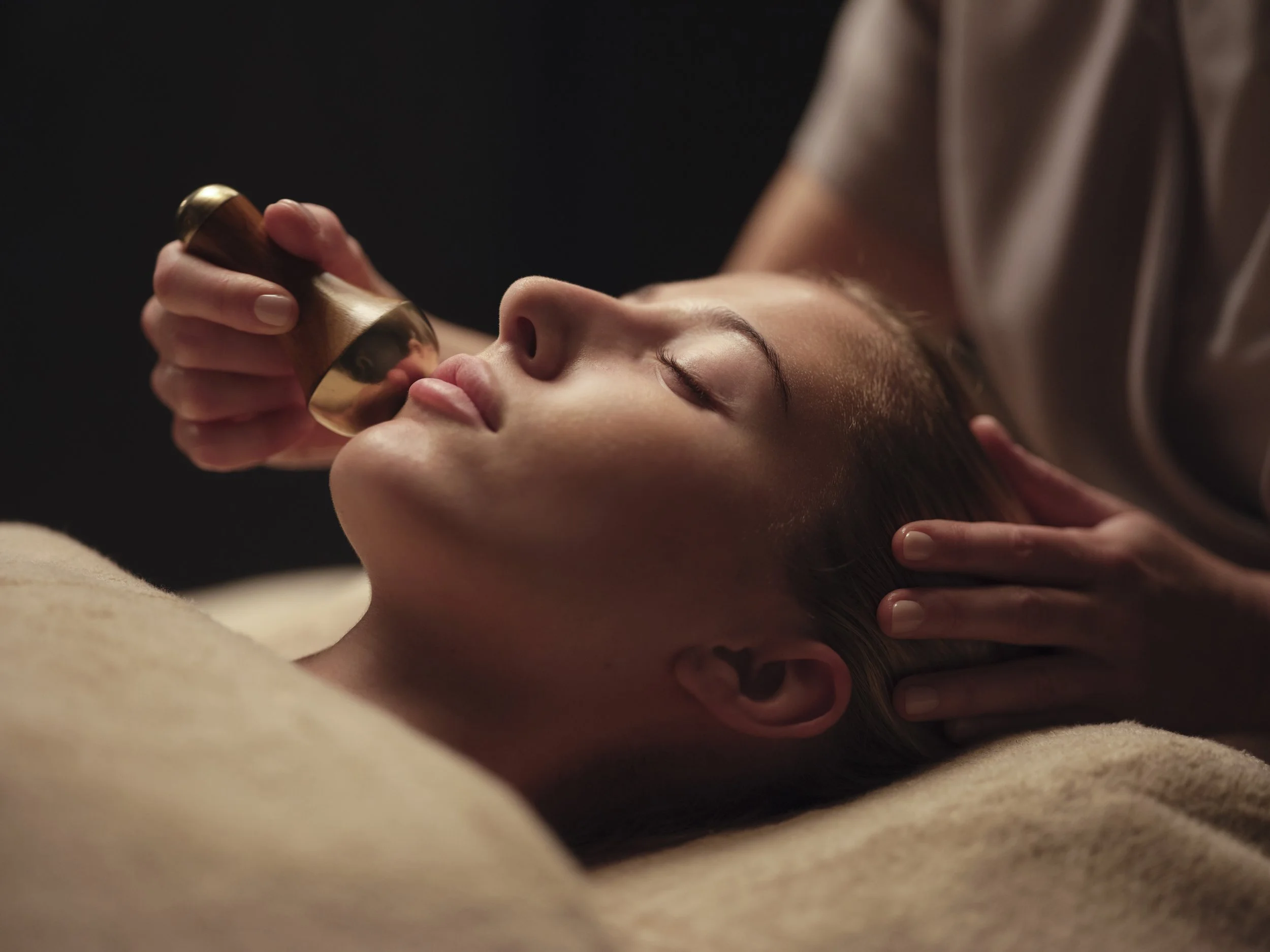
As we pass the midpoint of the year, the treatment landscape is showing no signs of slowing. Our team has been exploring and discovering the latest launches across clinics, spas and aesthetic destinations, from regenerative collagen programmes and skin-boosting injectables to advanced IPL, scalp health protocols, body rituals and Ayurvedic therapies. What stands out is a clear move towards more intelligent, multi-layered results, with treatments combining science, technology, touch and wellbeing to meet a more discerning client demand. Whether focused on radiance, firmness, skin quality, hair health or emotional balance, these are the new treatments to know now.
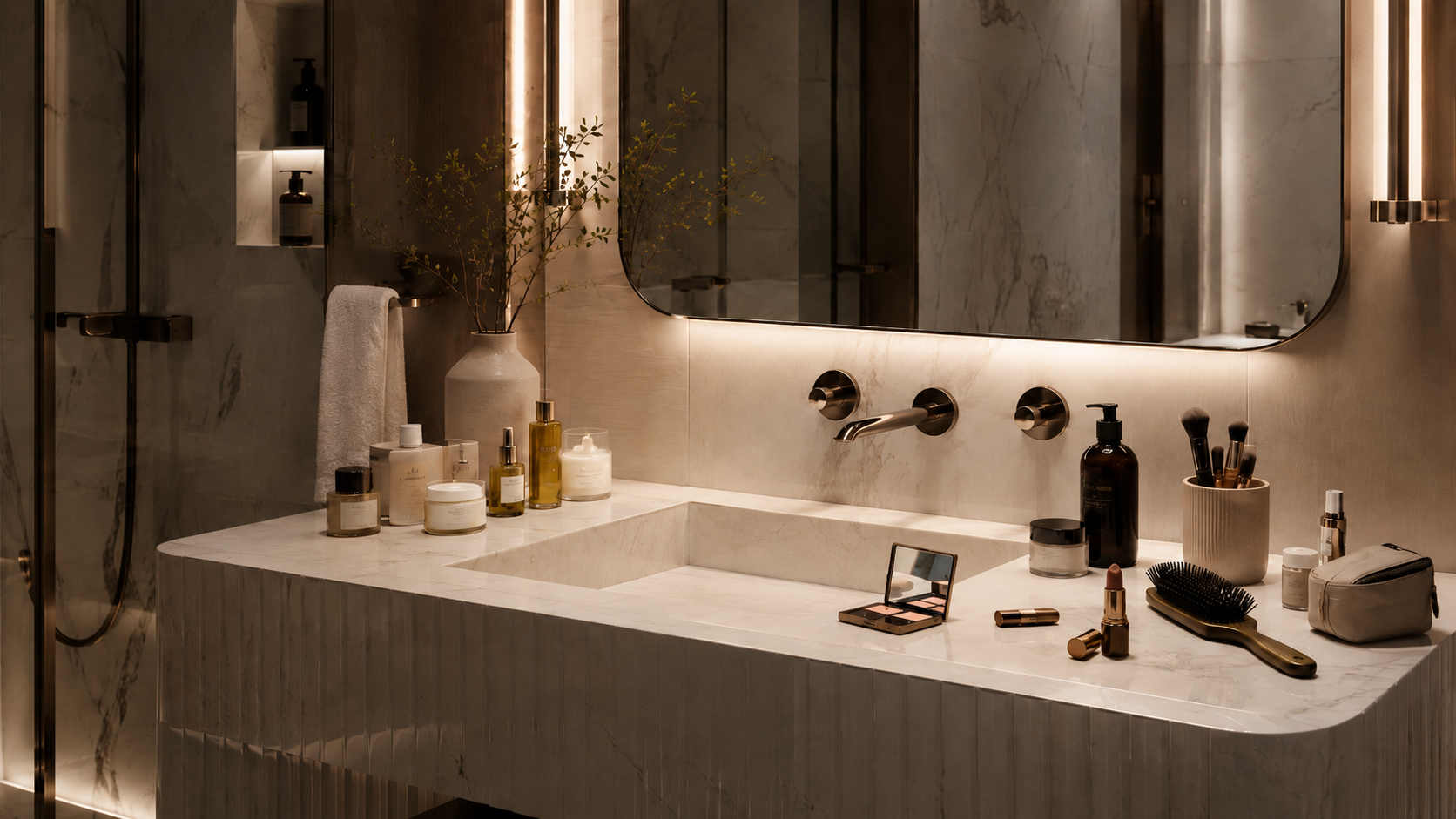
Hotels have spent a decade turning the bathroom into a design statement. Marble, brassware, rainfall showers and softly backlit mirrors now sell rooms before a guest has even arrived. Yet for anyone who actually needs to get ready in one, the hotel bathroom remains one of the most quietly frustrating spaces in hospitality.
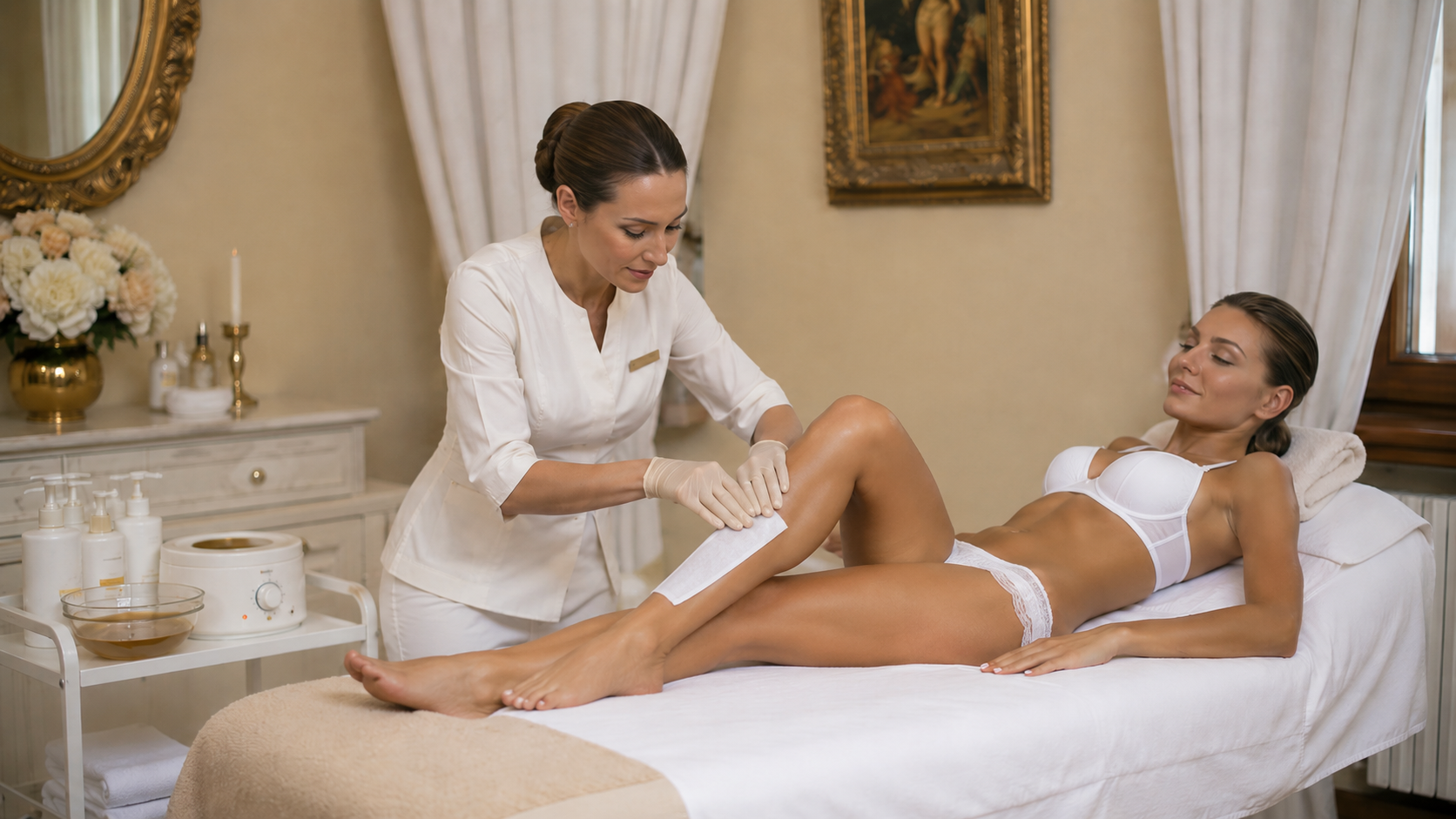
Laser hair removal has walked out of the specialist clinic and onto the high street. Package pricing, celebrity endorsement and a wave of at-home IPL devices have turned what was once a considered medical purchase into something clients discuss casually over a coffee. For salons that have relied on waxing as a repeat-booking staple, the question is difficult to avoid. If laser is faster to results in the long run and clients no longer flinch at the price, is the waxing room being quietly left behind?
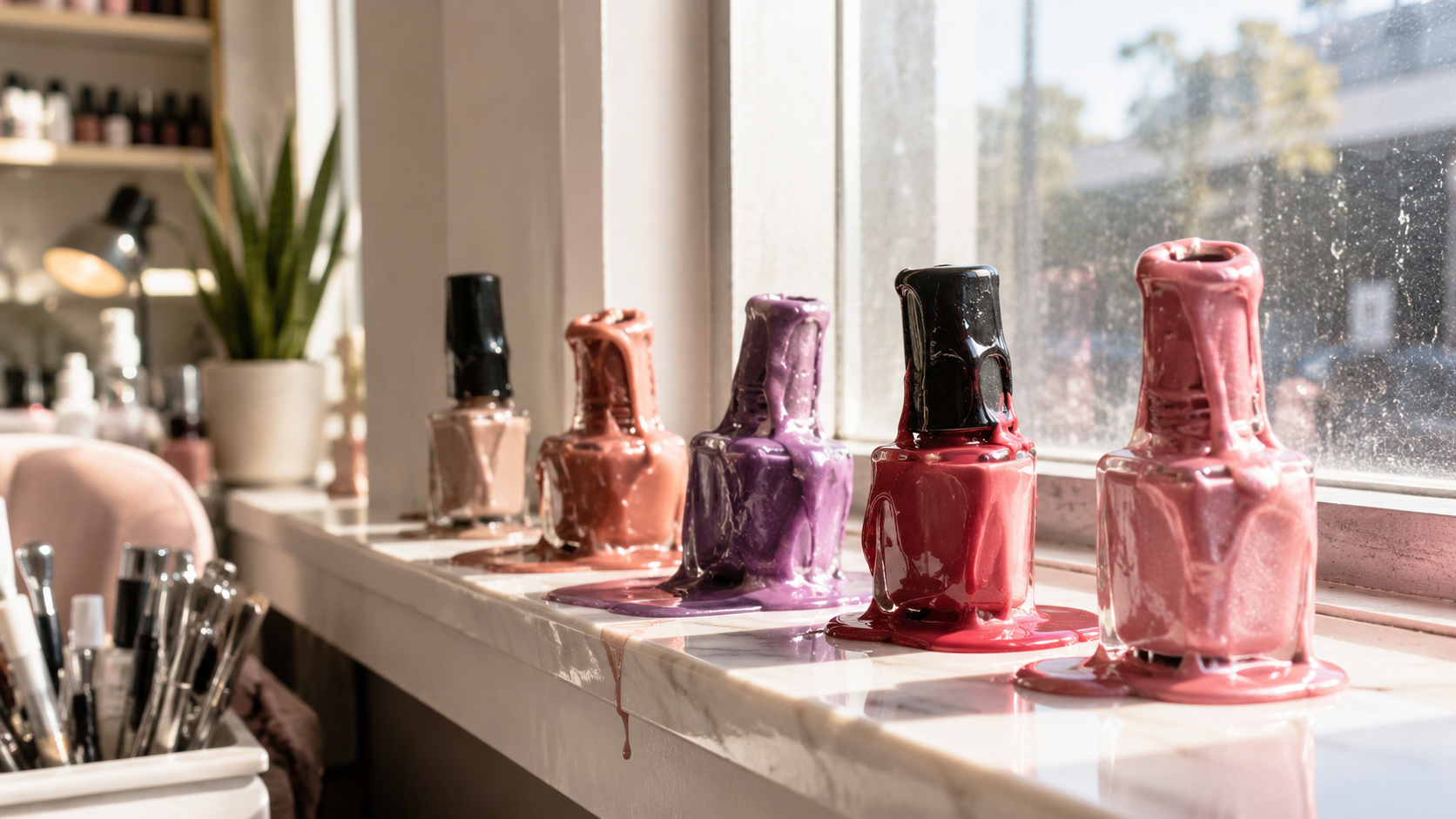
Whether you love or hate the heatwaves, either way you will be facing the same issue - how should you safely store your stock and products you work on? Heat does more than make products uncomfortable to use. In professional environments, high temperatures can alter viscosity, accelerate oxidation, affect preservatives, destabilise active ingredients and increase the risk around flammable liquids. As a general rule, cosmetics and professional products should be stored in a cool, dry, dark place, ideally at a stable room temperature between 15°C to 25°C which is the preferred range for cosmetics, gel polish and UV gels, with heat and temperature fluctuations being key causes of formula degradation.

The scandal that began with a single failed SPF test in Australia has left consumers questioning the bottle on their bathroom shelf. We asked Frances van der Velden, founder of Australian brand Airyday, how a sunscreen brand earns that confidence back, and why the country with the world's strictest sunscreen rules is where the lessons are being learned.
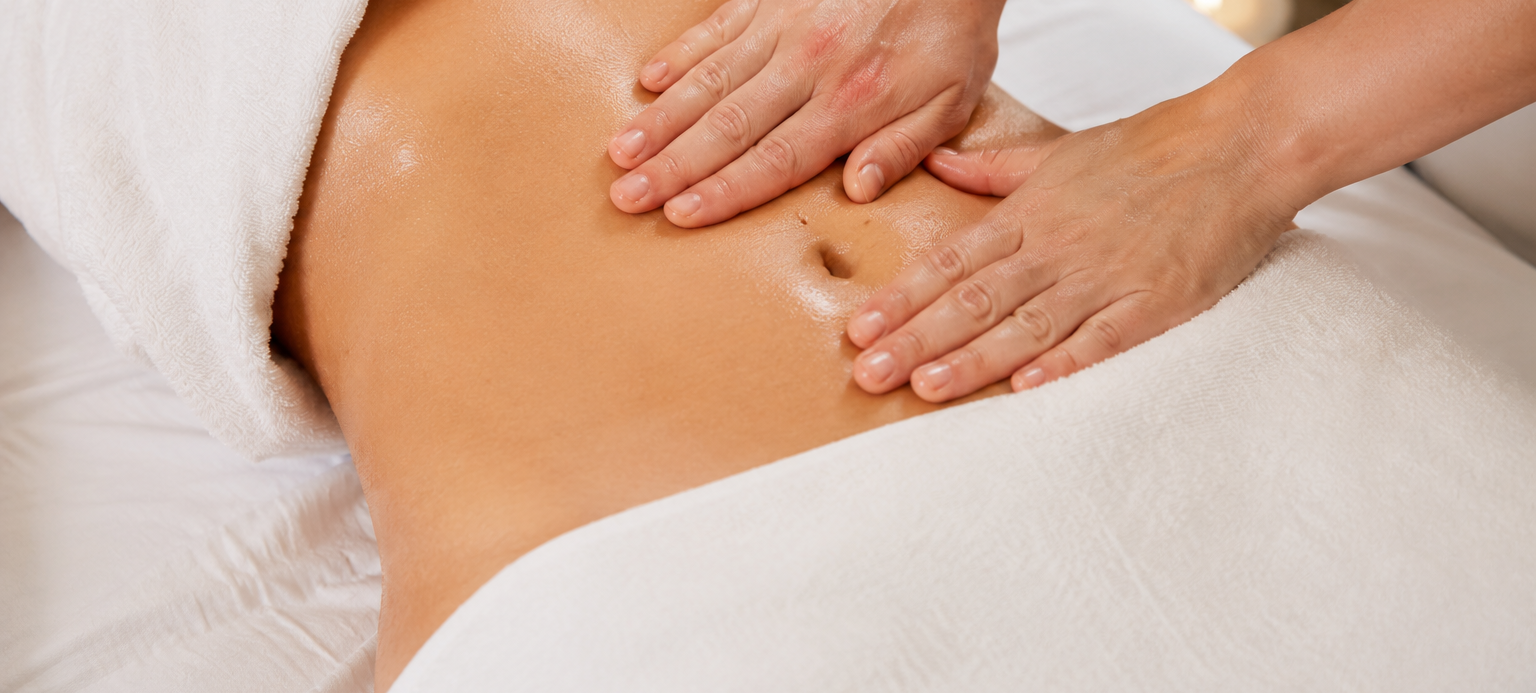
Lymphatic drainage gets sold short. It tends to sit in the same mental box as a relaxation massage, only gentler, and that framing does the treatment no favours with clients who equate pressure with value. Walk a client through what is actually happening under their skin, though, and the picture changes. The reason a good drainage treatment works has almost nothing to do with how hard you push. It has everything to do with where you push, in what direction, and at what rhythm.

As research exposes widespread confusion surrounding menopause-related skin changes, the beauty and aesthetics industry faces questions about how it assesses and treats clients in midlife. With insights from aesthetic medicine specialist Dr Priya Chadha, Founder and Director of Amer Clinic and Galderma global KOL, we examine whether traditional consultation protocols are sufficiently equipped to recognise the effects of hormonal change.