
Ingredient spotlight: Why slippery elm is slipping into gut health conversations
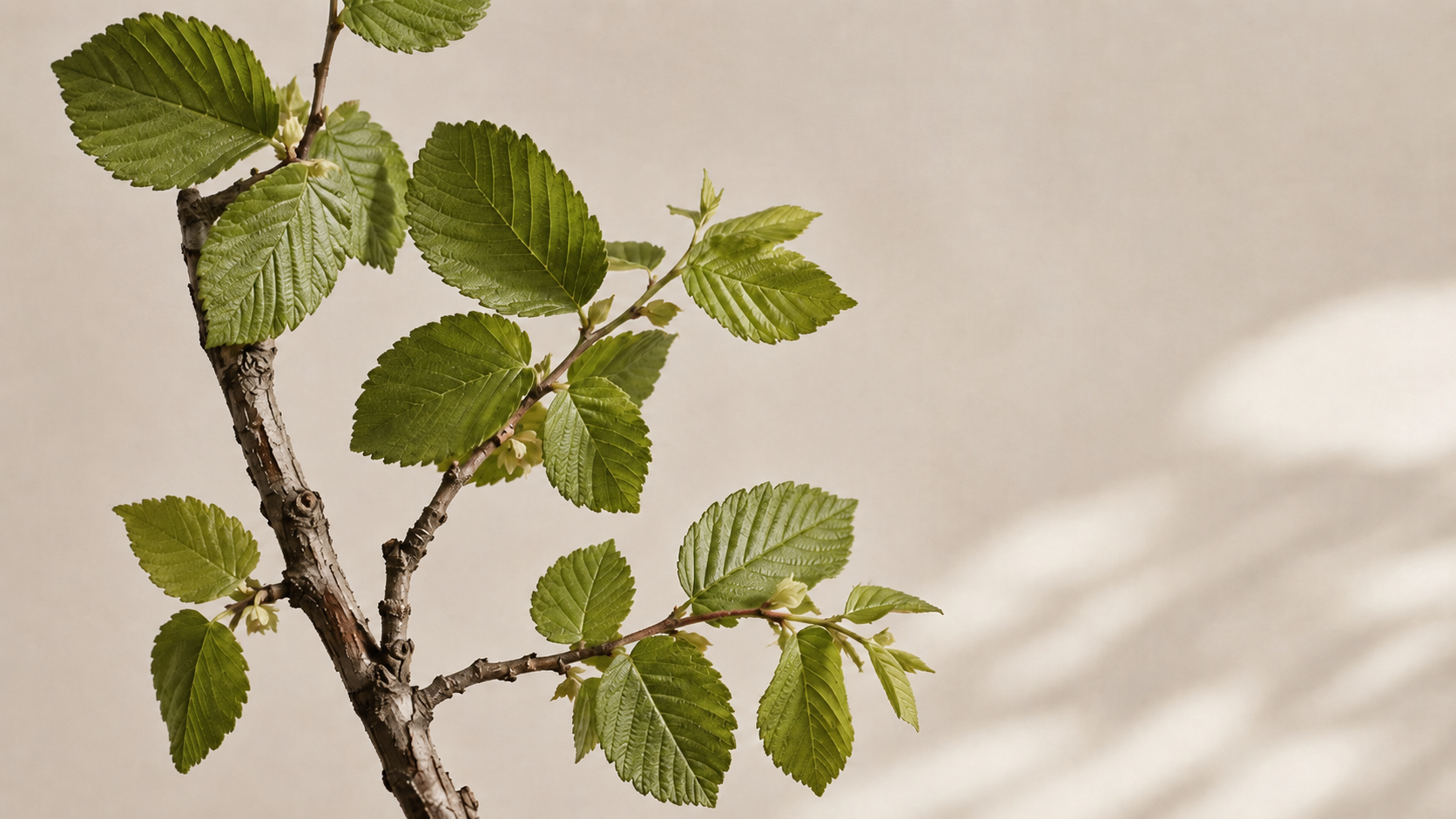
Derived from the inner bark of Ulmus rubra, slippery elm has been used in traditional herbal medicine for centuries. Rich in mucilage, it forms a gel-like coating when mixed with water, creating a protective layer over the digestive tract. This demulcent action has made it a widely used ingredient in supplements designed to support digestive comfort and gut health.
Dr Rachel Landon, co-founder of Wilder Botanics, highlights why slippery elm is back in the spotlight as interest in ingestible beauty and gut health continues to grow.
“The slippery elm is the main ingredient, and it’s really about keeping the whole of our digestive tract in a healthy position,” adds Landon. “It coats and soothes the entire gut lining, making it a go-to remedy for irritation.”
The ingredient is increasingly appearing in wellness formulations as brands tap into developing consumer awareness of the gut-skin connection and the role digestive health may play in overall wellbeing.
Although preclinical research has suggested slippery elm may possess antioxidant and anti-inflammatory properties, robust clinical evidence in humans remains limited. Experts advise consumers to take slippery elm separately from prescription medications, as its coating effect may reduce the absorption of certain drugs.
As a traditional botanical ingredient finding renewed relevance in modern gut health formulations, slippery elm shows how brands are balancing heritage use with the demand for evidence-based consumer education.



Their precise finish and promises of lasting wear have made Ukrainian and Russian manicures objects of fascination. Understanding the appeal starts with separating the treatment names from the techniques, and knowing where meticulous preparation should stop.