
Bryan Johnson's 26 sauna rules and what they mean for the spa and wellness industry

Bryan Johnson has revealed a numbered longevity protocol for sauna, presented as everything a person needs to know about heat exposure and drawn from his own daily practice and bloodwork. The longevity entrepreneur, who sold Braintree to PayPal and spends a reported two million dollars a year on his own biology, has called sauna the most effective intervention he has tried.
The list runs to 26 rules and recommends traditional dry heat over infrared or steam, four to seven sessions a week, gradual acclimatisation, sessions of roughly 20 minutes, sauna after exercise rather than before, natural fibres over synthetics, close attention to hydration and air quality, and cooling of the testicles to protect male fertility. It also sets a core body temperature of 39 degrees as an advanced target, and closes on the observation that sauna with a friend creates joy. The requirements set out by Johnson have a rippling effect on the industry; a set of specifics produced by a man who owns his equipment, measures his own core temperature and answers to nobody. Some of it is worth building a service around and you can expect clients to echo, while other requirements will fall flat with insurers.
Perhaps unsurprisingly, it was the Finns that were most unimpressed with the recommendations from Johnson. His protocol post drew hundreds of replies from people who have been doing this since before they could walk, most of them variations on “please stop inventing rules for our national pastime”.
Johnson's own routine is a 20 minute session at roughly 93 degrees Celsius, every single day, taken in the morning after training. Very low humidity. Mineral supplemented water afterwards. An ice pack on the groin throughout, to protect his fertility markers from the heat. Considerably gentler is what he recommends to everyone else: three to five sessions a week, 15 to 20 minutes, somewhere between 80 and 90 degrees. Don't go in dehydrated. Take advice first if you're pregnant, on certain medications, or living with uncontrolled blood pressure, a heart condition, fever, seizures or a respiratory condition.
The science behind Johnson’s approach
Johnson's frequency advice rests on research by Laukkanen and colleagues who followed 2,315 middle-aged Finnish men and published in JAMA Internal Medicine in 2015. Men using the sauna four to seven times a week had lower rates of sudden cardiac death, fatal cardiovascular disease and all cause mortality than men going once a week. Longer sessions, over 19 minutes, looked better than short ones under 11. However, it is important to note that the research on this study group was not randomised - the subjects were all Finnish, male, middle aged and they lived lives that differed in a hundred ways from the lives of the women booking Tuesday afternoon slots at the Sauna. The 11 and 19 minute figures were categories the researchers drew for analysis not actual doses.
So when a client comes to ask how long they need to stay in the sauna for it to work; it’s important to explain that a minimum has not been established, and no resreach has been done on a cohort of subjects that would reflect your client.
The 39 degree problem
Johnson describes reaching a core body temperature of 39 degrees as an advanced technique, and says it takes him about 34 minutes at 93 degrees to get there. But what he also says (and is widely unreported), is that this is extremely hot and unnecessary for most people.
Occupational health guidance in this country and elsewhere sets the ceiling at 38 degrees for anyone working in heat. The figure came originally from a World Health Organization panel and was carried into the NIOSH recommended standard. CDC material on heat stress spells out the reasoning: core temperature has to stay within roughly one degree of normal for the body to keep working properly.
Johnson is asking for a full degree beyond that ceiling, on a body he measures constantly, in a cabin he owns and by no means should you deliver the same to a client. Under the Health and Safety at Work etc. Act 1974 and the Management of Health and Safety at Work Regulations 1999, your client’s wellbeing is your legal problem, this means you should set your session limits from the manufacturer's guidance and your own risk assessment, and tell guests plainly that dizziness, nausea, headache, weakness, confusion or palpitations mean out, now, no negotiation.
Another caveat to the information provided by Johnson is that in May, Blueprint announced a partnership with the sauna manufacturer Plunge, and now sells the cedar cabin Johnson uses, with a discount code attached. That doesn't make the underlying research wrong. The long term mortality evidence really does sit with traditional Finnish style sauna, and it's fair to say infrared has been studied over shorter periods against different endpoints. But a ranking of heat modalities reads a little differently when the person publishing it has stock in the winner.
The löyly question
One of Johnson’s rules says don't throw water on the stones, on the grounds that contaminants could go airborne. In a private cabin, fine. In a commercial setting it's a strange instruction to import, given that löyly is the entire point of the tradition UNESCO inscribed in 2020, and the Finnish Sauna Society permits water on the stones across its own facilities. That first wave of steam is also the thing your guests will describe to their friends afterwards.
Fertility, cold plunges and microplastics
Johnson made some claims about the correlation between saunas and fertility, and this is backed up by a small study of ten men doing two 15 minute sessions a week at 80 to 90 degrees over three months who found significant changes in sperm production and quality, all of it reversible once they stopped, but it’s important to note that Johnson’s solution does not have any scientific backing. His improved markers while wearing an ice pack are one uncontrolled result from one man with an enormous budget, and no spa should be selling groin cooling as a fertility intervention. A man actively trying to conceive is better advised to go easier on the heat and speak to his GP.
Behind the cold plunge rule is evidence that routine cold water immersion straight after resistance training can blunt muscle fibre hypertrophy. Relevant if you're training for size. Not especially relevant to a guest doing contrast bathing because it feels wonderful. Treat contrast as its own experience with its own screening rather than the automatic ending to every heat session.
When it comes to the microplastic allegations, Johnson has reported roughly an 85 per cent drop in measured microplastics in his blood and ejaculate over the period he took up daily sauna, during which he also filtered his water and stripped the plastic out of his kitchen and claims that the sauna may help, but even his wording on this is cautious. The ASA upheld a complaint in 2023 against a UK biohacking clinic over the claims "Reversing Ageing" and "Extending Lifespan", with infrared sauna among the services advertised. So while unresearched, it is best not to make any microplastic claims.
What to take from it
The useful rules are the boring ones. Bring new clients into the heat gradually. Screen contraindications properly rather than as a formality. Keep people hydrated. Look after the room, the stones and the materials inside it. Stop letting anyone believe that feeling terrible is evidence the treatment is working. None of that will go viral, and all of it will hold up in front of an insurer.
Johnson has done the industry a genuine favour by making people care about a room most spas treated as an afterthought for twenty years. The rules themselves sit somewhere between a decent checklist and a very expensive personal diary. Take the checklist. Leave the diary with him, along with the ice pack.

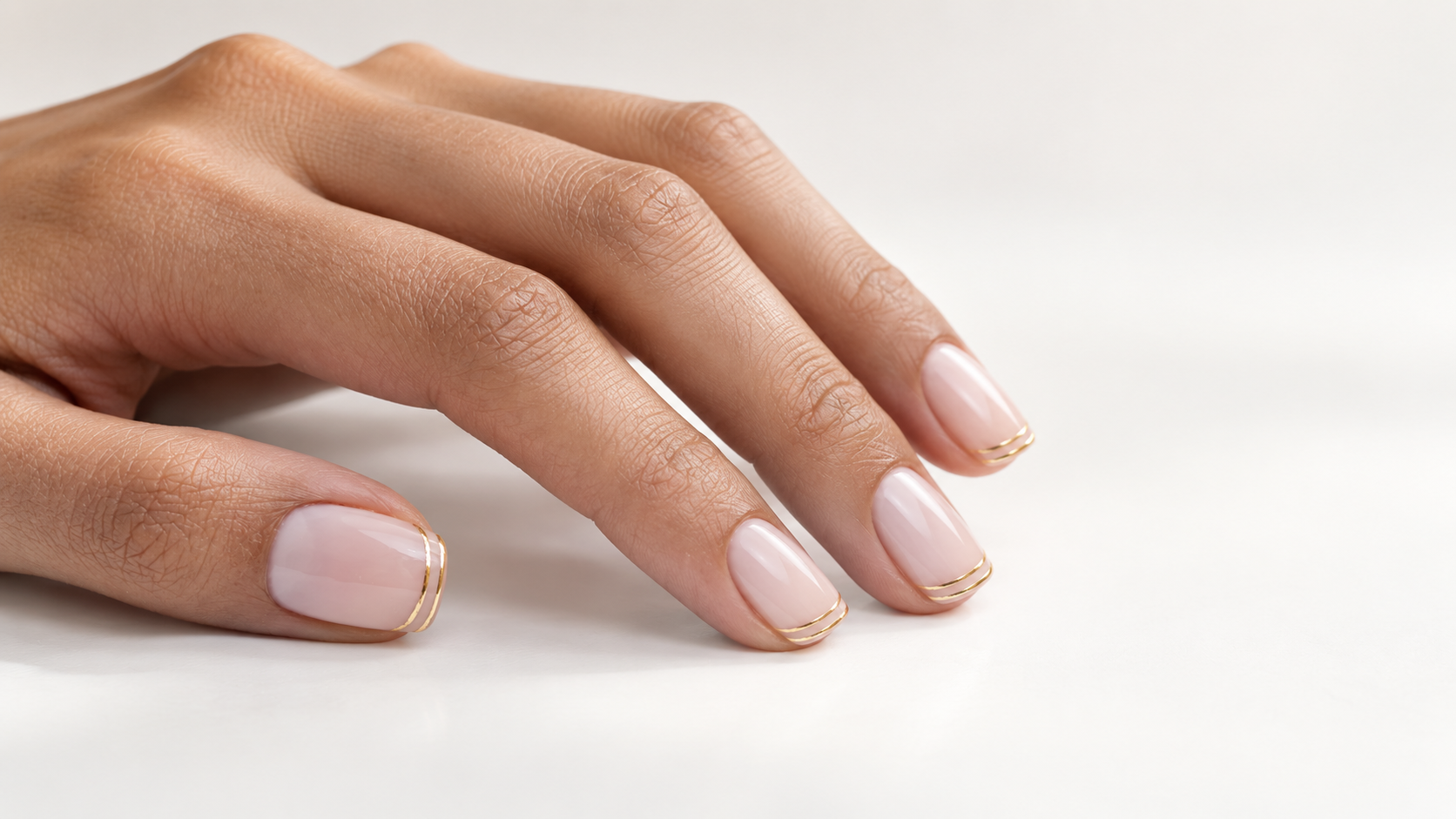









Joe Hill’s latest colour forecast keeps the depth associated with autumn, then brings back the light with mocha chocolate, precisely placed gold and a finish designed to glow.