
How Brands Are Translating Polynucleotide Regeneration into Consumer Skincare
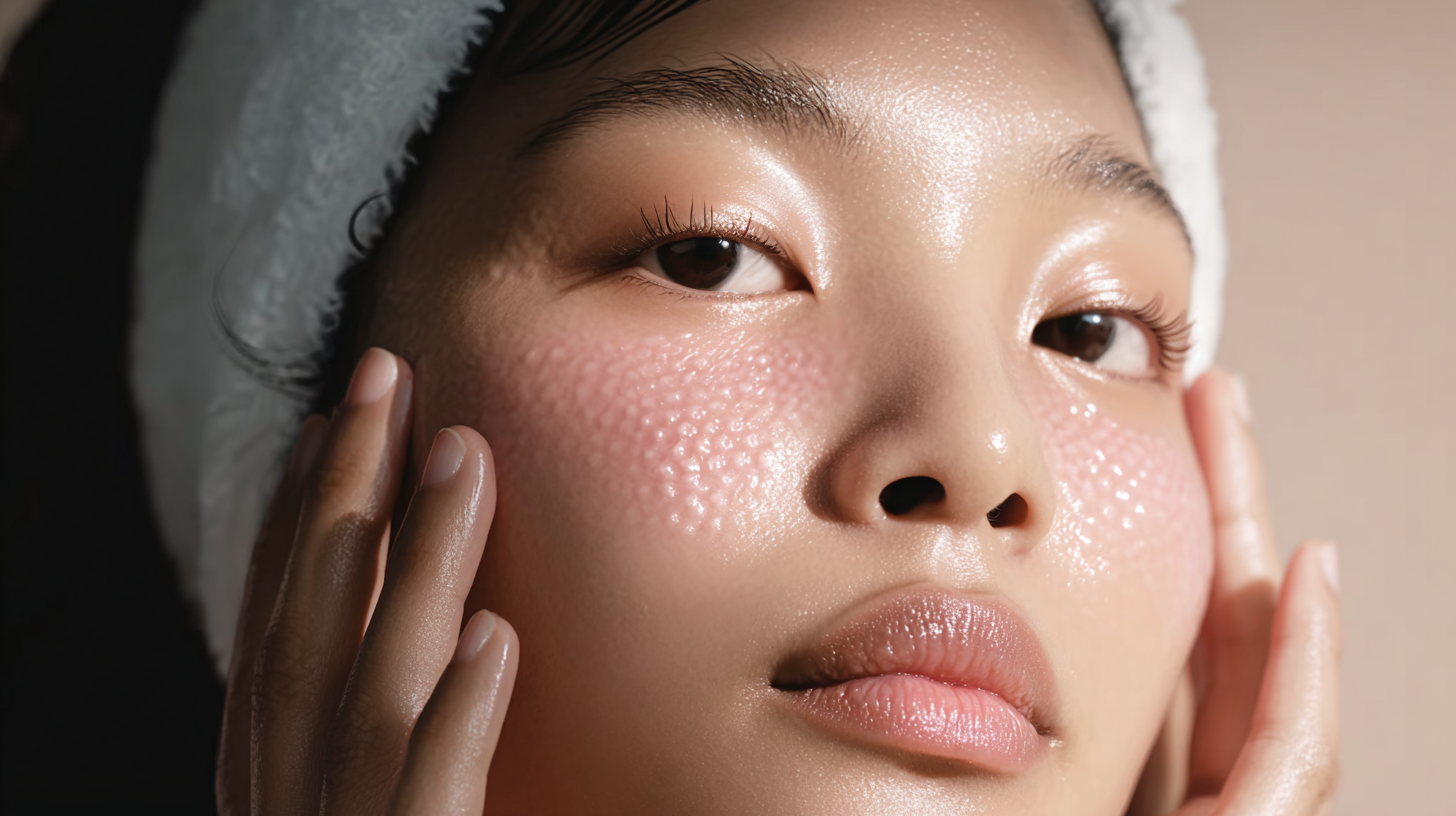
In the past few years, polynucleotides have lived where regenerative claims are allowed to be explicit: in the hands of clinicians. Mention PDRN, salmon DNA, or the viral “salmon sperm facial”, and the mental image is rarely a bathroom shelf. It is an injectable protocol, a post procedure recovery plan, a “skin booster” appointment, and a patient who expects their skin to behave differently in weeks, not months.
Now that storyline is being rewritten. The same DNA-derived category is arriving in retail facing formats: toning ampoules, barrier creams, sheet masks, and post-treatment serums positioned for daily use. Commercially, it is the classic clinical-to-consumer trickle down. Scientifically, it forces a more interesting question: what remains true about polynucleotides when you move them from the dermis to the epidermis?
What PDRN actually is, and why clinicians adopted it first
Polydeoxyribonucleotide (PDRN) is generally described as a mixture of DNA fragments produced via controlled purification from salmonid sperm DNA, most commonly salmon trout or chum salmon. The medical literature frequently frames PDRN as a regenerative agent with two commonly cited mechanisms: activation of adenosine A2A receptor signalling and support of nucleotide “salvage” pathways that supply building blocks for repair. In wound and tissue-repair contexts, A2A receptor activation is repeatedly associated with reduced inflammation and pro-healing cascades, including angiogenesis and fibroblast activity.
That mechanism-first narrative helps explain why aesthetic medicine adopted polynucleotides quickly. Injectables sit in a category where “regeneration” can be discussed with fewer euphemisms, and where delivery does not have to argue with the stratum corneum. Intradermal placement also maps neatly onto the desired outcomes that have made polynucleotide treatments commercially sticky: improved texture, elasticity, hydration behaviour, and recovery profiles, especially in photoaged or sensitised skin.
Topical polynucleotides: same ingredient family, different biological proposition
When PDRN moves into skincare, the industry often keeps the clinical language, but the biology changes. Dr Conan Park Kibum, Founder of Genabelle, articulates the distinction in a way that is both commercially useful and scientifically honest:
“Injectable PDRN is delivered directly into the dermis and is used as an intensive regenerative procedure. In contrast, topical PDRN focuses on everyday regeneration, hydration, and barrier support at the epidermal level. Although the depth of action differs, well-fragmented PDRN and a stable formulation design can still provide meaningful benefits such as improved barrier recovery, more even skin tone, enhanced elasticity, and overall radiance.
In short: Injection → procedure-level regeneration. Topical application → gentle, daily regeneration suitable for everyday use”
Topical PDRN is less a substitute for injectables and more a behaviour modifier. It aims to stabilise, calm, and improve the conditions under which skin can function well, particularly when low-grade inflammation, barrier disruption, or oxidative stress are the limiting factors.
The formulation question that determines whether topical PDRN is credible
If injectable polynucleotides are a delivery story, topical polynucleotides are a formulation story. Molecular size, chain length, fragmentation, and vehicle design matter because the skin barrier is engineered to keep macromolecules out. Polynucleotides and PDRN can sit across a wide molecular weight range, and that topical use is constrained by high molecular weight and charge, which restrict penetration.
Genabelle leans into that science, explicitly discussing chain length and fragmentation:
“The molecular weight, chain length, and fragmentation of PN/PDRN determine how well they can penetrate the skin and how effectively they can deliver biological signals. Shorter chains (PDRN): better diffusion and signaling functions, supporting anti-inflammatory and regenerative pathways. Longer chains (PN): provide viscoelasticity, hydration, and extracellular-matrix support.”
This is where topical polynucleotides begin to look less like a single ingredient and more like a platform. The “hero” is still PDRN, but performance is frequently engineered through co-actives, stabilising systems, and delivery methods designed to amplify visible change without making drug-like claims.
Dr Park describes the strategy directly:
“We highlight complexes that combine PDRN with other active ingredients because they compensate for the limitations of PDRN when used alone and enhance the visible regeneration and barrier-repair benefits in a topical format. In cosmetic formulations, the ingredients that create measurable improvements in barrier strength and skin recovery are often the low-molecular or bioactive supporting components that work synergistically with PDRN.”
This is a useful corrective to the current consumer narrative, which often assumes that “salmon DNA” behaves like a topical growth factor or a topical biostimulator. In reality, topical success will be disproportionately driven by (1) how the PDRN is processed and (2) what else is in the formula doing the heavy lifting on barrier lipids, inflammation signalling, and hydration architecture.
Why the category is moving into retail now
The retailisation of polynucleotides is riding a K-beauty-to-West adoption cycle accelerated by short-form video and ingredient memetics. Skin Cupid CEO and Founder Melody Yuan pins the timing and the demand curve clearly:
“We started noticing an uptick of interest in PDRN and similar DNA-infused skincare at Skin Cupid in the summer of 2024, a trickle-down effect from social media platforms like TikTok, where Korean trends and niche ingredients get diffused quickly and become familiar to more and more consumers before they become available in the West.
Since we launched GENABELLE at Skin Cupid in the spring of this year, we’ve seen its products perform consistently highly, with the PDRN Vita Toning Ampoule and PDRN Rejuvenating Cream selling especially well. We’re still seeing a really strong appetite for this line as well as more PDRN-infused products, and that demand is also reflected in the growing number of Korean brands introducing PDRN lines, and experimenting with PDRN derived from different plant-based sources.
The demand for other regenerative actives like peptides is still very much there, especially synthetic peptides like Acetyl Hexapeptide-8, which is being touted as a natural alternative to Botox online. However, since PDRN has only recently begun being utilised in topical formulations, there’s no doubt that there’s a greater consumer interest in products that contain this ingredient right now, whereas peptides are more familiar to consumers interested in both Eastern and Western skincare, so the demand for them is more stable.”
Two commercial dynamics sit underneath this. First, injectables create the narrative and the perceived efficacy, while retail products monetise the aspiration at scale. Second, topical PDRN is now being broadened beyond fish-derived sourcing. Alongside salmonid DNA, there is growing interest in non-salmon sources, including ginseng-derived PDRN, which supports “plant-based” positioning while staying within a regenerative-coded story.
Polynucleotides already sit naturally in pre and post procedure conversations because they are associated with calming inflammation and supporting recovery environments. A strong retail strategy can translate that into regimen adherence: barrier-first products that patients actually use, positioned as part of the same regenerative logic as in-clinic treatments, but with realistic timelines and endpoints.
There is also a patient education advantage. In markets where injectable salmon DNA products are tightly regulated or not approved, topical PDRN becomes the safer, legal path to participate in the trend without forcing clinics into risky sourcing behaviours.
“Polynucleotides primarily work through anti-inflammatory, antioxidant (ROS-scavenging), and extracellular-microenvironment-stabilizing mechanisms. They are not meant to trigger strong cell proliferation or tissue regeneration the way injectable treatments do. Instead, they help reduce chronic, low-grade inflammation and stabilize the skin’s overall condition. For that reason, PN is not a “dramatic improvement” ingredient for already healthy skin, but it is highly effective for maintaining stability when the skin barrier is compromised or stressed.”
This is the narrative that will keep brands credible as the trend matures: topical polynucleotides as stability, resilience, and recovery support, with visible outcomes that look like better tone behaviour, fewer flare cycles, improved hydration hold, and improved tolerance of other actives.
Brands moving PDRN into homecare should treat it as a delivery-led category and build proof accordingly. That means being transparent about the form (PDRN versus broader PN), the processing logic (fragmentation, chain length), the source (fish-derived versus plant-derived), and the supporting system (barrier lipids, anti-inflammatory co-actives, encapsulation, or compatible use with in-clinic modalities). It also means resisting the temptation to imply injectable-level outcomes from topical use, and instead owning the genuine consumer value proposition - a regenerative-leaning ingredient family, made accessible enough to be used daily, and formulated intelligently enough to sit alongside established dermatological staples, not replace them.









Once tights come back into circulation and the holiday suitcase is put away, the waxing appointment that seemed essential in June can start to look easy to postpone. Taking a break is entirely a matter of preference, but anyone who enjoys the results of regular waxing may find that their first appointment back in spring feels different from the ones they remember.