
How Clinics and Salons Can Acquire New Clients in 2026
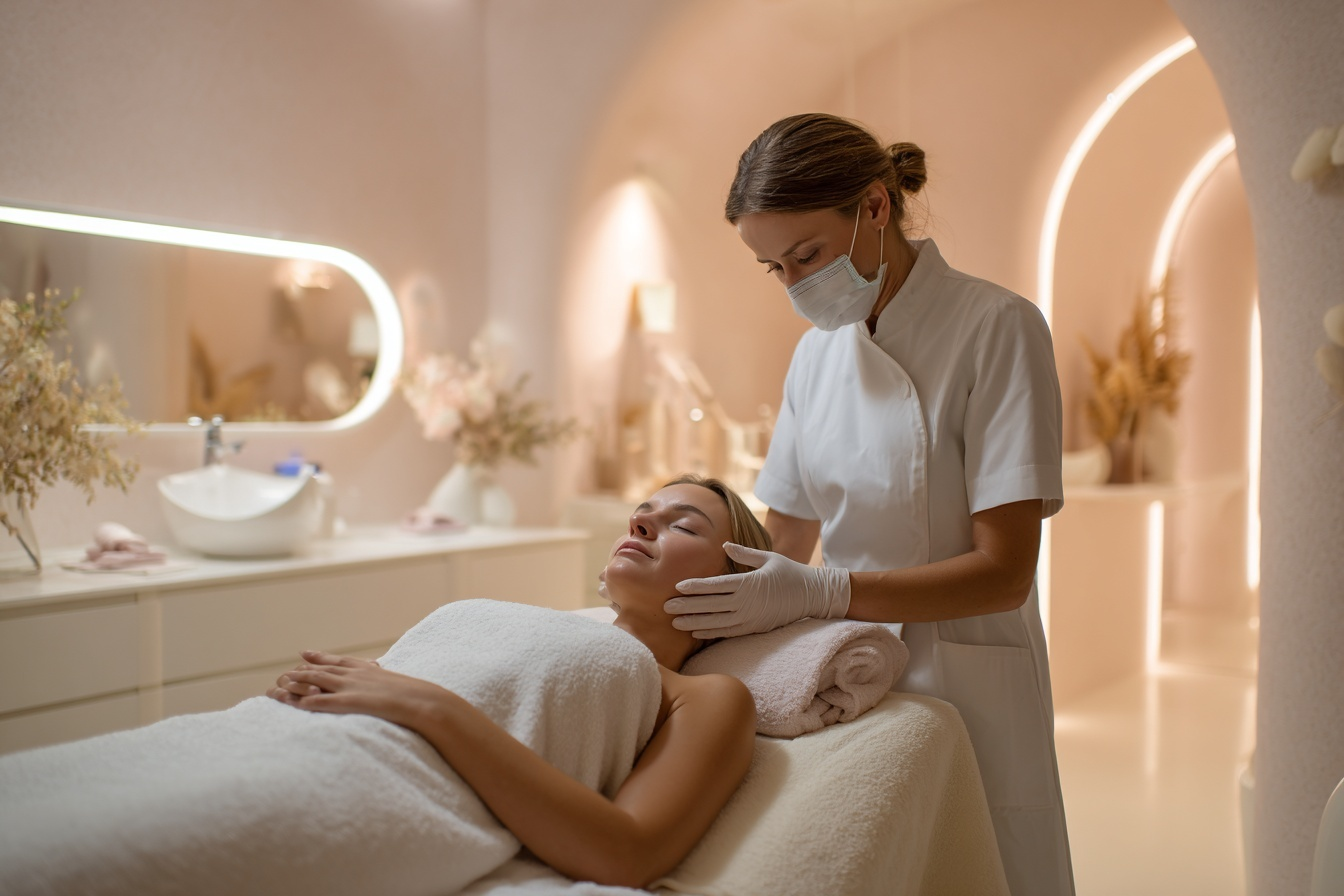
Client acquisition tends to drift when it is treated as occasional marketing, rather than a commercial process with owners, inputs, and weekly targets. In 2026, the clinics that grow steadily are typically the ones that operationalise acquisition as a simple pipeline: a clear offer, consistent lead flow, fast conversion to consultation or booking, and a retention loop that turns clients into referrers. The tactics have not radically changed, but expectations have. Clients compare you against frictionless online booking, transparent pricing, strong reviews, and professionals who communicate with clinical clarity.
Start with a positioning decision you can defend
Most businesses say they want “more clients”, then market a broad menu to everyone. That usually creates inconsistent demand and discount pressure. Choose a primary category you want to be known for (skin health, injectables, body, hair, laser, wellness) and a primary client type (age bracket, concern profile, lifestyle, budget). You can still offer a full menu, but your outward messaging should make one strong promise that fits your team, margins, and local competition.
A practical test: if a prospective client reads your homepage and one Instagram post, they should be able to tell who you help, what outcomes you are known for, and why you are credible. If they cannot, you are competing on convenience and price.
Build a “signature pathway” rather than selling single treatments
Single-session marketing is volatile. A pathway increases conversion, improves outcomes, and makes forecasting easier. In trade terms, it packages your clinical judgement into something understandable and purchasable.
A pathway has three parts: an entry point, a clinical plan, and a review cadence. For example: a skin consultation that leads to a 12-week corrective plan, with two in-clinic treatments plus a home regimen and a review appointment. Publish the structure, the typical timeline, the range of investment, and what is included (consultation length, imaging, patch tests, aftercare check-ins). Clarity reduces time-wasters and increases pre-sold confidence.
This also protects your diary. When one-off bookings drop, pathway clients still come in because they are mid-plan.
Make lead generation boring and consistent
Most clinics over-index on one channel, usually Instagram, and then panic when reach changes. In 2026, stability comes from running two or three lead sources at once, each with a defined weekly output.
Commonly reliable combinations are: Google Search and Maps (demand capture), short-form social (demand creation), and partnerships (borrowed trust). You do not need to do everything, but you do need a cadence you can keep.
For Google, treat your Google Business Profile like a storefront. Update services, add price ranges where possible, post weekly, and build a disciplined review process. Reviews are not a vanity metric. They are a conversion asset. Ask at the right moment (after visible results or a positive check-in), make it easy (QR code, direct link), and respond professionally to every review, including the awkward ones.
For social, focus on proof and process rather than trends. Results (with compliant photography and consent), consultation explanations, aftercare guidance, and myth-busting around common concerns tend to convert better than general lifestyle content. Keep it specific and local, because your buyer is deciding whether to travel to you, not to an abstract brand.
For partnerships, avoid vague “collabs” and build targeted referral relationships: hair salons, dental practices, gyms, bridal boutiques, private GPs, physios, and menopause clinics. Agree a simple mechanism (client benefit, staff-only education, reciprocal referrals) and measure it like any other channel.
Speed to response is a revenue lever
Many clinics lose clients in the gap between enquiry and reply. If you want consistent acquisition, you need a defined standard for response time and follow-up. A useful internal rule is: respond to all new enquiries the same day, and follow up twice over the next seven days if there is no reply. That can be handled with templates and a CRM, without sounding robotic.
Your scripts matter. Train the team to move conversations to the next step: book a consultation, secure a deposit, or schedule a call. Avoid long DM consultations that provide lots of free advice and end with “let me know”. A better approach is to acknowledge the concern, state what you need to assess safely (history, contraindications, expectations), and offer two appointment options.
If you are running paid ads, your response process becomes even more important, because you are paying for every lead. Poor follow-up turns advertising into an expensive morale problem.
Treat pricing and packaging as part of acquisition
If your pricing is opaque, your acquisition will be inconsistent. You do not need to publish every figure, but you should give ranges and clear starting points, and you should explain how you price: complexity, product choice, time, and follow-up.
Packaging also helps. Many clinics increase new client conversions by offering a high-integrity first visit: consultation plus a suitable entry treatment on the same day, with crediting rules that reward commitment without looking like discounting. The key is to keep it clinically led and clearly framed. Clients want to feel guided, not sold to.
Retention is the quiet driver of “new” clients
The most cost-effective new client is the one who already trusts you and returns with a new concern, or brings a friend. Retention is not a soft concept. It is systems: recall, reviews, referrals, and results tracking.
At minimum, create a recall programme for your core revenue services and tie it to outcomes. Skin clients need review points. Injectables clients need maintenance windows. Laser and body clients need a structured course. Use reminders, post-treatment check-ins, and review appointments as standard, not optional. A simple message at the right time often converts better than another reel.
Referral mechanisms work when they are specific. Instead of “refer a friend”, use “Who in your circle is also struggling with pigmentation or rosacea?” and make the offer about shared benefit, such as a complimentary skin scan or a review consultation. Make sure your front desk can explain it in one sentence.
Measure the pipeline weekly, then improve one constraint at a time
Consistency comes from measurement, not motivation. Track a small set of numbers every week: new leads by channel, consultation bookings, show rate, conversion to plan, average first-visit value, rebooking rate within eight weeks, and review volume. If you do this for 12 weeks, patterns become obvious.
Then choose one constraint and fix it. If leads are low, improve visibility and partnerships. If leads are fine but consultations are low, improve response time and scripts. If consultations happen but plans do not sell, improve your consultation structure, your evidence, and the clarity of your pathway. If plans sell but clients drop off, tighten follow-up and outcomes tracking.






Their precise finish and promises of lasting wear have made Ukrainian and Russian manicures objects of fascination. Understanding the appeal starts with separating the treatment names from the techniques, and knowing where meticulous preparation should stop.