
Hair, Beauty and Spa Industry Wins Separate SIC Codes After Years of Being Counted As One
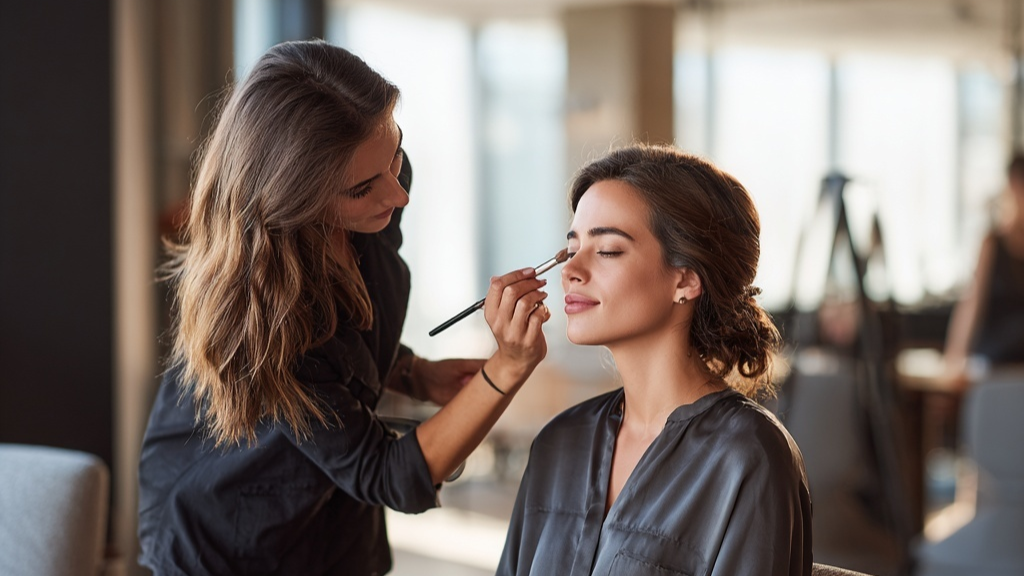
After seven years of lobbying, the hair, beauty and spa services sector has secured separate Standard Industrial Classification, or SIC, codes, in what the British Beauty Council describes as the first change to these industry classifications since 1948. For what may sound like a technical reform, the implications are substantial. SIC codes are part of the architecture of economic measurement. They are used to classify what businesses do, and they shape how sectors are counted, compared and understood by government and agencies.
Until now, much of the professional hair and beauty economy sat under a single code, 96020, “Hairdressing and other beauty treatment”. On the Companies House condensed list, that code appeared in the wider section for “Other service activities”, alongside 96010 for washing and dry-cleaning, 96030 for funeral and related activities, and 96040 for physical well-being activities. The complaint from within the industry was not simply that this looked reductive. It was that the structure flattened very different parts of the sector into one broad statistical bucket, making it harder to understand where growth, decline and pressure points actually sat.
That, the British Beauty Council has argued, has had real policy consequences. The old structure contributed to years in which the hair and beauty sectors were overlooked politically, economically and socially, despite a combined £30.4bn contribution to UK GDP. The Council also said the total beauty industry accounts for around 1.1% of UK GDP. In practice, the argument is simple enough. If a sector is poorly classified, it is more difficult to measure accurately, and if it is difficult to measure accurately, it is more difficult to make a hard-edged case for targeted support on tax, business rates, skills, self-employment or high street policy.
The campaign for change has been building for years. The British Beauty Council says its 2019 Defining Beauty work identified the need for individual SIC codes for hair, beauty and spa services, and its broader policy work on hair and barbering has since stretched into apprenticeship reform, business rates, business closures, workforce training and sector representation inside government. In that sense, the SIC question was never just about terminology. It sat at the centre of a wider effort to get ministers and officials to treat professional beauty and hairdressing as a serious economic sector with its own operating conditions.
The new structure is more granular, under the revised model, the sector now sits within a new group, 962, “Hairdressing, beauty treatment, day spas and similar activities”. Beneath that sit three separate classifications: 9621 for hairdressing and barber activities, 9622 for beauty care and other beauty treatment activities, and 9623 for day spa, sauna and steam bath activities. The explanatory wording goes further than a simple relabelling exercise. Beauty care is defined as non-medical treatment such as facial massage, manicure, pedicure, permanent make-up, depilation and tanning, while cosmetic surgery carried out by medical specialists is excluded.
The more precisely a sector is classified, the more precisely it can be counted. That affects the quality of official datasets, the credibility of economic analysis and the evidence base used when industry bodies argue for intervention. The British Beauty Council also says the revised framework should help workers, including the self-employed, describe their activities more accurately on official documents, while bringing greater consistency to how economic data is gathered across the sector.
The previous classifications were outdated and no longer reflected the breadth of the multi-faceted industry. Hairdressing, barbering, beauty treatment and day spas may sit close together in consumer culture, but they are not interchangeable businesses. They have different cost bases, different labour models and different regulatory and commercial pressures. When a classification system treats them as a single block, nuance disappears and policies drafted become too general through attempts to encompass the whole sector.
The separate SIC codes result in recognition for the industry, however there is more work to be done. The ONS says industrial classifications are fundamental to economic statistics and that the UK is revising its framework through the UK SIC 2026 process, with an emphasis on maintaining international comparability while retaining flexibility at more detailed levels. The new codes are expected to be introduced into ONS and wider Government Statistical Service data gathering in phases over the next few years.




Manucurist has agreed an investment from European mid-market private equity firm Inflexion, bringing new financial backing to the French nail care company as it pursues further growth in the US and other international markets.