
Roseway Labs Announces Strategic Partnership with Mast Cell Action
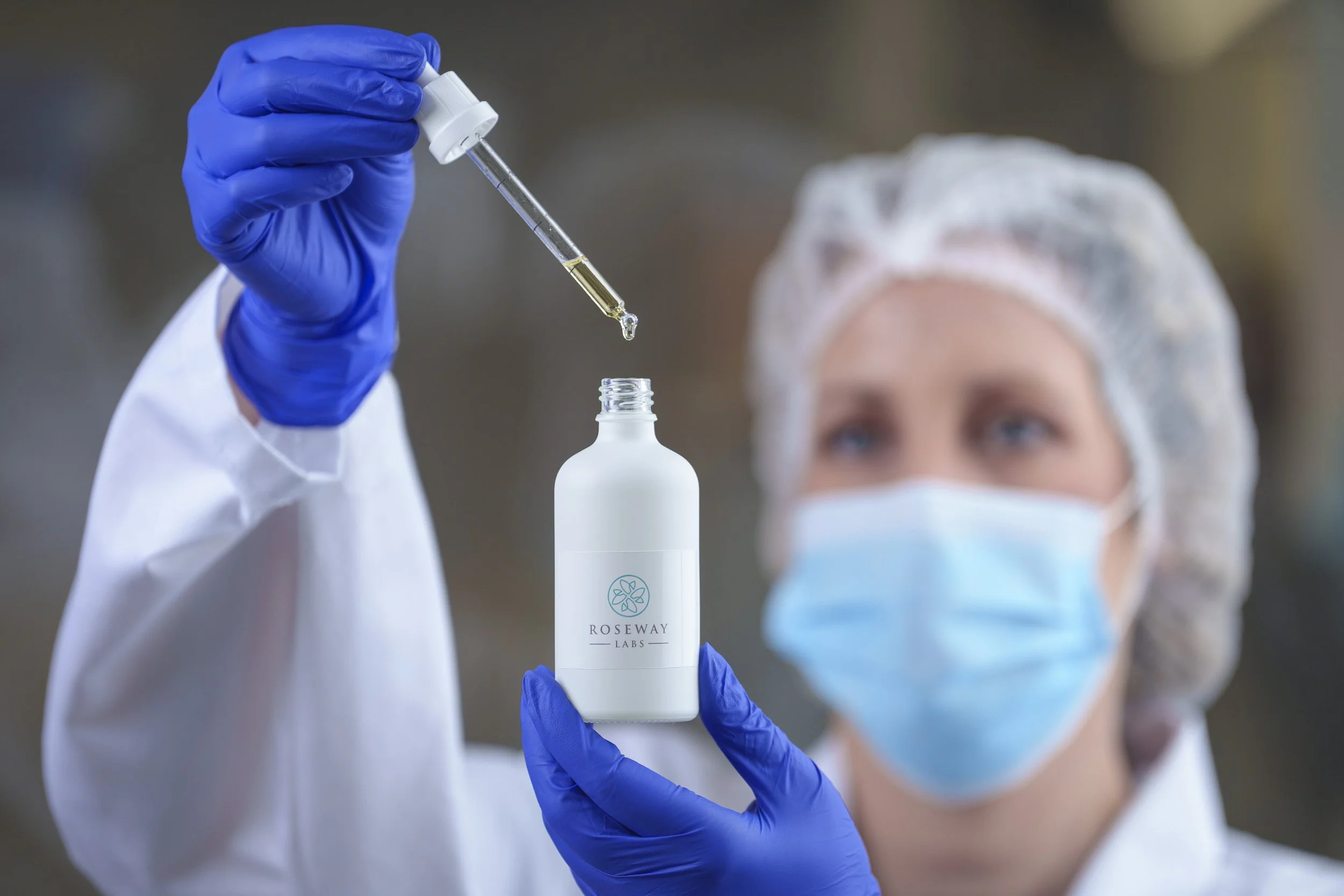
Roseway Labs has announced a strategic partnership with Mast Cell Action; a UK-based charitable organisation that works to support the Mast Cell Activation Syndrome (MCAS) community and raise awareness and understanding of MCAS.
The formal partnership follows a year of successful collaboration between the two organisations and reflects a shared commitment to improving outcomes for those living with mast cell disorders, including MCAS. The partnership is being formalised to strengthen alignment, expand joint initiatives, and increase impact, and will predominantly focus on improving awareness and understanding of mast cell conditions such as MCAS, HAT and Mastocytosis among prescribers and patients, through enhanced education, awareness, and clinical support.
A key initiative in this collaboration, will be a joint webinar taking place in June, in recognition of MCAS Awareness Month. This educational webinar Mast Cell Disorders in Practice: MCAS, HαT and Mastocytosis will bring together expert voices from both Roseway Labs, Mast Cell Action and experts, including Dr. Bethan Myers MA(Cantab), MB BCh, FRCP, FRCPath, and deliver evidence-informed, expert-led education to increase both awareness of mast cell disorders and engage with healthcare professionals.
The webinar will take place on 18 June 2026 at 12.30-13.30. Healthcare professionals wishing to join the webinar can register here.
Mast cell disorders are a group of conditions where mast cells become overactive or too numerous, leading to repeated or unexplained allergic-type symptoms. While rare, they are increasingly recognised and diagnosed by doctors. The most common are mast cell activation syndrome (MCAS), mastocytosis and hereditary alpha-tryptasemia syndrome (HαT).
MCAS is a multi systemic condition where chemicals called mast cell mediators are released too frequently or abundantly, and/or in response to triggers like foods or chemicals in the environment. This can lead to a wide range of symptoms that affect multiple parts of the body.
More research is needed to understand MCAS and it can often be misdiagnosed. However, it is estimated by some studies that MCAS may affect almost 1/5 (17%) of the population1.
Triggers and symptoms of MCAS vary greatly and in severity between individuals. Triggers can include fragrances, exercise, stress and changes in temperature and some people are sensitive to ingredients in medications, such as excipients, fillers, dyes, sweeteners, preservatives, and coatings commonly used in commercial products. Compounding pharmacies, such as Roseway Labs, can prepare customised, simplified formulations that limit exposure to unnecessary or problematic substances. This enables predictable tolerability and allows prescribers to tailor treatments safely.
Roseway Labs CEO Elizabeth Philp comments: “We’re delighted to partner with Mast Cell Action, building on a relationship that has already made a meaningful difference to patients living with Mast Cell Activation Syndrome (MCAS). At Roseway Labs, we believe individualised healthcare should be accessible to all patients, particularly those with complex conditions. Many patients with MCAS experience sensitivities to standard medicines and have unique clinical needs that require a more tailored treatment approach.
Our pharmacy compounds medicines free from common allergens and irritants that may trigger reactions, supporting clinicians with bespoke solutions for underserved patient groups. This personalised approach improves tolerability and helps achieve better outcomes for patients with Mast Cell Activation Syndrome (MCAS), histamine intolerance, and related sensitivities.”
Mast Cell Action CEO Joy Mason said:“We’re pleased to be formalising our partnership with Roseway Labs following a year of positive collaboration. By working together, we can strengthen awareness and understanding of mast cell disorders, including MCAS, and provide better support for those affected by mast cell disorders and healthcare professionals. Education is key to improving recognition, quicker diagnosis and care, and this partnership enables us to expand our reach and impact across the UK.”
Dr. Bethan Myers, Consultant haematologist added “Education and awareness are essential to improving outcomes for patients with mast cell disorders, which can often be complex and challenging to diagnose and manage. I am pleased to support the work of Mast Cell Action, and there is now a significant and growing body of information to support patients with MCAS.
Initiatives such as this webinar provide an important opportunity to share evidence-based insights and support clinicians and healthcare professionals in recognising these conditions earlier, understanding patient variability, and delivering more individualised care.”
Roseway Lab’s ongoing partnership with Mast Cell Action will see further development and sharing of educational resources, creation of CPD-accredited materials for healthcare professionals, and mutual support in awareness campaigns and patient engagement initiatives.
Practitioners and prescribers wishing to find out further information about Mast Cell Activation Syndrome should visit mastcellaction.org or to join the Mast Cell Action medical professional network, visit Healthcare Professionals Registration Form.
Healthcare professionals can find out more about available treatment options from Roseway Labs here.


SHA has appointed Fernando Alonso as its new Global Ambassador and Wellness Advisor, aligning the medical wellness group’s approach to longevity with one of the longest and most enduring careers in Formula One.