
How To Prevent Post Inflammatory Hyperpigmentation in Skin of Colour

Post inflammatory hyperpigmentation is one of the most visible complications you can trigger in skin of colour, yet it is also one of the most preventable. For Black, Asian, Middle Eastern and many mixed-heritage clients, a single bout of inflammation, a too-strong peel or an over-zealous laser pass can leave a mark that lingers for months, even years. PIH is not only a clinical issue, it is also an emotional and reputational one for salons, clinics and aesthetic practitioners.
This feature looks at why skin of colour is uniquely prone to PIH, then sets out practical, evidence-based strategies that beauty professionals can integrate into everyday protocols to minimise risk.
Why skin of colour marks more easily
PIH is caused by an increase in melanocytic activity after inflammation or injury. Cytokines and mediators released during the inflammatory response stimulate melanocytes to produce more melanin, which is then transferred to surrounding keratinocytes. In darker phototypes there is already more melanin, larger melanosomes and more efficient melanin transfer, so the pigmentary response is amplified and tends to persist.
PIH is particularly common after acne, eczematous flares, cosmetic procedures and any trauma such as waxing, picking or friction, with studies showing that patients with skin of colour are significantly more likely to develop PIH from acne lesions compared with lighter phototypes. The message for practitioners is simple: any redness, swelling, burning or micro-trauma you create carries a higher pigmentary price in Fitzpatrick IV to VI.
Start with consultation and honest risk framing
Prevention begins well before you pick up a device or peel brush. During consultation with clients of colour, consider building in three specific layers of discussion:
History of pigment problems: Ask directly about previous dark marks after spots, insect bites, waxing, threading, tattoos or past treatments. A history of PIH is a strong red flag.
Medical and topical history: Enquire about atopic or contact dermatitis, photosensitising medications, previous isotretinoin, and current use of lightening creams bought online, which may already have compromised the barrier.
Risk framing and expectations: Explain that although treatments are tailored for their skin, there is always a small risk of PIH and that strict aftercare, especially sun protection and avoiding picking, is non-negotiable.
Document these conversations in the treatment record and adjust your protocol if the client reports previous PIH or keloid scarring. For some high-risk cases, referral to a dermatologist experienced with skin of colour may be the safest course.
Universal pillars of PIH prevention
Across facials, peels, laser and hair removal, the core strategies to reduce PIH are surprisingly consistent.
1. Control the inflammation you create
PIH is proportional to the intensity and duration of inflammation. Overly aggressive settings, stacking passes, long contact times or combining too many actives in one session all increase risk. Shorter contact times, lower concentrations and fewer passes, repeated over a series of treatments, are usually safer in skin of colour than a single “big” session.
2. Protect from UV and visible light
Photoprotection is arguably the most powerful prevention tool. UV and high-energy visible light both drive melanogenesis and can worsen or prolong PIH. Guidelines for hyperpigmentation in skin of colour recommend daily broad-spectrum sunscreen of at least SPF30, ideally with filters that protect against UVA and visible light, used alongside protective behaviours such as shade and hats.
In clinic:
Make SPF a mandatory part of finishing every treatment that disrupts the epidermis.
Favour textures and tints that suit deeper tones and avoid white cast, for example formulations with iron oxides.
Build a clear retail message: no sunscreen, no treatment plan.
3. Priming and maintenance topicals
Systematic reviews of PIH prevention highlight pre- and post-treatment use of topical retinoids, hydroquinone, corticosteroids and sunscreen to reduce risk and severity. In a beauty setting where prescription agents sit outside your remit, you can still support medical colleagues and optimise results with a sensible over-the-counter regimen. Evidence based options include:
Retinoids (where appropriate and tolerated) to increase cell turnover and disperse melanin.
Tyrosinase inhibitors such as azelaic acid, arbutin derivatives, kojic acid or tranexamic acid.
Niacinamide to reduce pigment transfer and support the barrier.
Gentle exfoliating acids such as mandelic or lactic in low concentrations, used sparingly.
Retinoids and acids must be introduced gradually. In skin of colour, irritation from an overenthusiastic “brightening” routine is a very common cause of PIH in itself, so barrier comfort takes priority over speed.
Procedure specific risk reduction
Chemical peels
Chemical peels are effective for acne and hyperpigmentation but are also a frequent cause of PIH if the peel depth or strength is mismatched to the skin. In darker tones, superficial peels using mandelic, lactic, salicylic or low-strength glycolic acid are generally considered safest, while medium and deep peels carry a much higher risk of PIH and scarring and should be reserved for specialists.
Practical guardrails for clinic:
Stay superficial: Choose peels that target only the epidermis, especially when treating first-time clients of colour.
Pre-treat where appropriate: Dermatology literature suggests that photoprotection and pre-peel hydroquinone can reduce post-peel PIH, used under medical supervision.
Shorter contact, more sessions: Err on the side of shorter application times and more conservative cumulative exposure.
Manage post-peel care: Supply explicit written aftercare that bans picking and mandates moisturiser and SPF, with a low threshold to review anything more than mild, transient erythema.
Laser and light based treatments
Lasers and IPL devices can transform pigment, hair growth and texture, but melanin is also their main competing chromophore. In skin of colour the higher epidermal melanin content makes the skin itself more vulnerable to thermal injury and therefore to PIH.
Key principles:
Choose the right wavelength: For laser hair removal, long-pulsed Nd:YAG at 1064 nm is widely recognised as the safest option for dark skin because its longer wavelength bypasses much of the epidermal melanin while still targeting the follicle.
Avoid short, hot, stacked pulses: High energy, short wavelengths, pulse stacking and short treatment intervals all increase the risk of PIH in dark skin.
Mandatory test patches: Always patch test devices on an inconspicuous area first, then wait several weeks to assess any delayed pigmentary response before proceeding.
Built in cooling: Use contact cooling, chilled gels or air cooling to reduce thermal injury.
Strict post laser sun avoidance: Dermatologists consistently cite sun protection after laser as the number one way to reduce PIH risk.
If your clinic does not routinely treat skin of colour with energy based devices, consider whether those treatments should instead be referred to a specialist centre with robust experience and protocols.
Everyday salon triggers
PIH prevention is not just about “big” aesthetic procedures. Many day to day services can trigger it in susceptible clients: extraction heavy facials, microdermabrasion, dermaplaning, waxing, threading, epilation, even friction from tight masks or headbands.
Strategies include:
Limit trauma during extractions, using smaller instruments, less pressure and more time.
Avoid repeated passes in the same area with microdermabrasion and always combine with barrier supportive skincare.
For waxing and threading, work in smaller sections, cool the skin immediately afterwards and ensure clients are not using retinoids or strong exfoliants in the area.
Flag high risk areas such as neck, jawline, upper lip and bikini line where ingrown hairs and rubbing from clothing often coexist and PIH can be particularly distressing.
Even in the safest hands, PIH can and will still occur. What matters then is speed of response and transparency. Encourage clients to contact the clinic early if they see new dark patches rather than waiting months. Mild cases may respond to optimised skincare and stricter photoprotection. More significant PIH, especially on the face or intimate areas, warrants prompt assessment and, where appropriate, referral for prescription treatment with hydroquinone combinations, topical retinoids or procedural options under dermatological care.
Preventing post inflammatory hyperpigmentation in skin of colour is not a trend topic, it is a standard of care. As the client base across the UK becomes more diverse, the ability to treat deeper skin tones safely will increasingly define which salons and clinics thrive. That means designing protocols around minimising inflammation, embedding rigorous photoprotection, selecting technology and actives that respect melanin, and treating each treatment plan as a long game, not a quick fix.



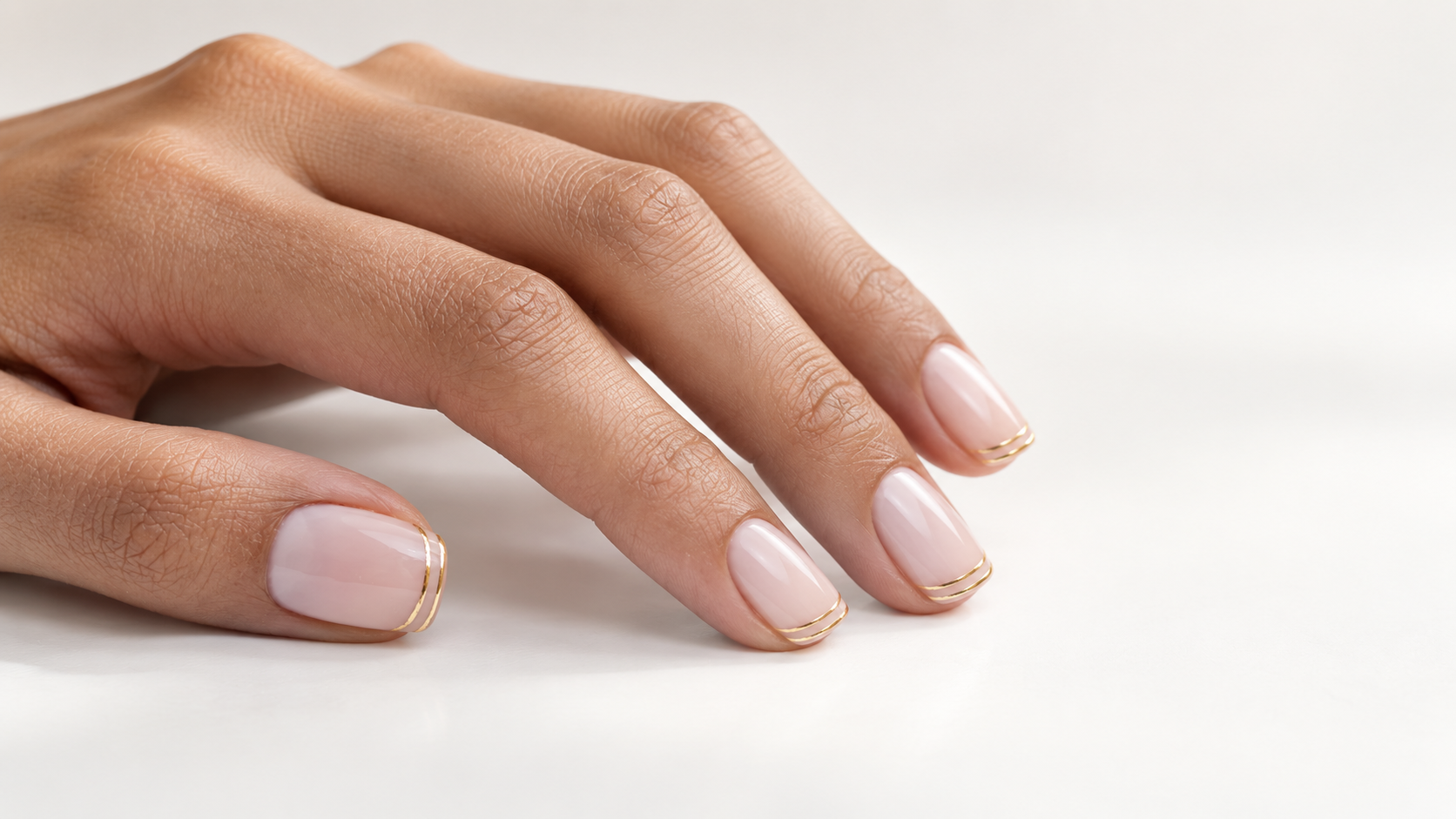
Their precise finish and promises of lasting wear have made Ukrainian and Russian manicures objects of fascination. Understanding the appeal starts with separating the treatment names from the techniques, and knowing where meticulous preparation should stop.