
Trend Report: Why Fragrance Wardrobes Are Replacing the Signature Scents
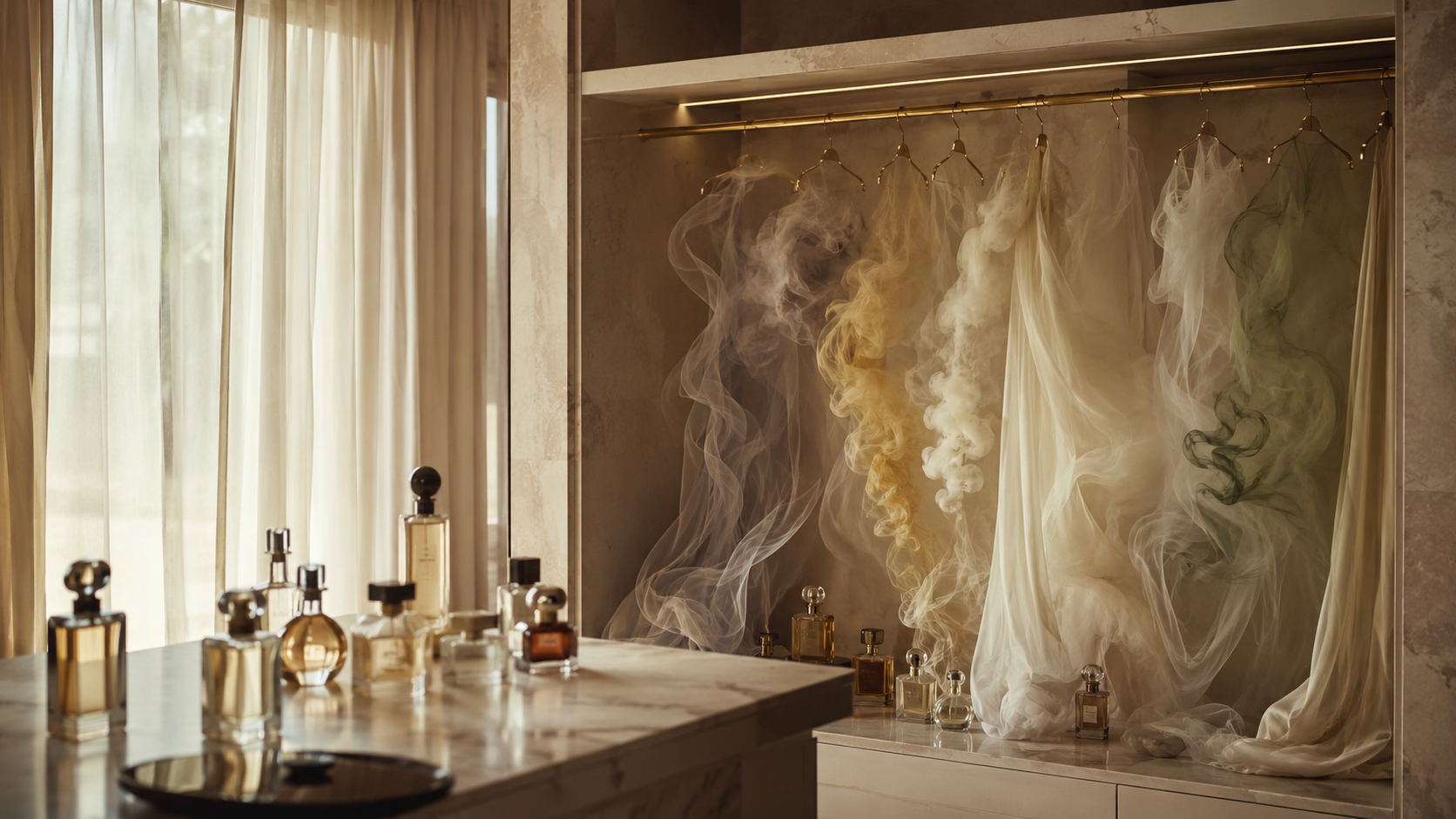
Traditionally, consumers have been encouraged to find “their scent” and remain loyal to it for years, sometimes decades but recently, modern fragrance customers' behaviour is shifting to become more bespoke.
According to The Fragrance Futures Index 2026 by The Fragrance Shop (TFS) and CPL Aromas, consumers are moving “from viral scent to personal system”, building collections that include travel sprays, skin scents, layering combinations, occasion fragrances and comfort perfumes rather than relying on one signature bottle. The report argues that the future of fragrance will be in helping consumers create more personal scent wardrobes shaped around mood, identity, context and self-expression.
This reflects a broader shift in how fragrance is understood. No longer simply an accessory or finishing touch, scent is increasingly becoming part of how people style themselves. Fragrance now sits alongside fashion, skincare and beauty rituals as a key indicator of personality, confidence and emotional state.
Consumers are moving away from the traditional language of fragrance families. Rather than asking whether a smell is floral or woody, they now want to discover what works for the office without flooding a room, which scent feels expensive but understated, or how to layer fragrances so they feel more individual. This represents a major change for retailers and beauty professionals, with the role of fragrance consultation shifting from categorisation to interpretation.
Layering is key to this movement. Previously seen as a niche ritual that only fragrance fans indulged in, layering is now emerging as a mainstream retail behaviour. The report describes it as part of an “anti-generic wardrobe” approach, where consumers try to create something distinct, without abandoning familiar or commercially successful fragrance profiles.
Importantly, the modern fragrance wardrobe is not necessarily built around obscure niche perfumes. Some of the strongest examples come from established designer favourites already performing at scale. TFS’s top-selling line data shows enduring demand for fragrances such as Dior Sauvage, Bleu de Chanel, Prada Paradoxe, YSL MYSLF, and Armani Stronger With You. Instead of replacing these classic scents, retailers need to teach consumers how to personalise them.
The report proposes a layering system with a clean base fragrance, such as CK One, or a soft, musky skin scent, which adds wearability and polish. A mood layer then introduces emotional direction through notes such as vanilla, amber, rose or fig. Finally, a statement accent featuring leather, oud, incense or darker woods adds texture and depth. The result is fragrance not as a static identity, but as a styled presence.
This wardrobe mentality also shows the changing attitudes towards dressing for an occasion. Consumers increasingly want fragrance to perform like clothing; one scent may feel appropriate for work, another for evenings, another for travel and another for comfort at home. The report notes that the most commercially useful performance language is no longer simply about “beast mode” long-lasting fragrance, but about grasping how close a scent sits to the skin, how long it lasts and whether it suits a particular context.
At the same time, layering answers a growing frustration. Social media has accelerated fragrance discovery, but it has also intensified the sense that everyone is wearing the same vanilla, amber or white musk profiles. Rather than rejecting popular notes altogether, consumers are searching for ways to make them feel more personal, and layering offers precisely that.
There is also a practical dimension to the rise of fragrance wardrobes. In periods of economic caution, consumers often look for ways to refresh what they already own, rather than constantly buying entirely new luxury items. Layering allows fragrance to feel new and exciting without requiring a complete reinvestment. A familiar vanilla can feel sharper with citrus, cleaner with musk or more evening-appropriate with leather or smoke. The result is a more personalised experience created from bottles already sitting on the shelf. This mirrors wider fashion and beauty behaviour during slower economic periods, where consumers become more creative, intentional and emotionally attached to pieces that offer versatility and self-expression.
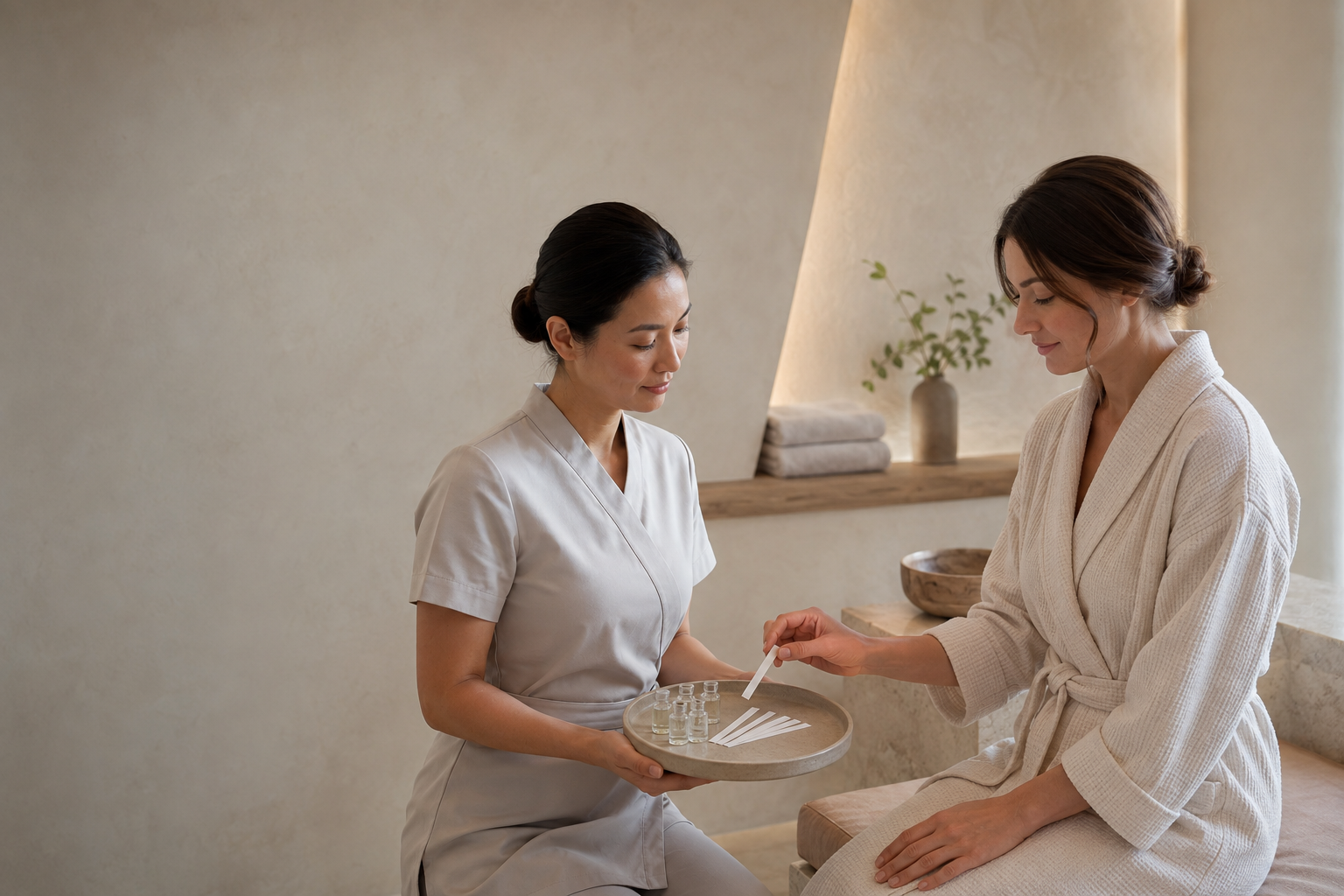
These findings have significant implications for the beauty retail industry. The traditional fragrance counter model, organised rigidly by gender or olfactive family, feels increasingly outdated. In its place is a more conversational approach centred around texture, mood and identity. The report proposes that consumers do not need technical lectures about ingredients; they need to understand why a fragrance feels creamy, polished, warm, or airy, and how that fits with the version of themselves they want to present.
For retailers and beauty professionals, this creates an opportunity to move beyond transactional selling and into wardrobe building. Recommendation culture is becoming more sophisticated. Customers are no longer only buying fragrance for compliments or longevity; they are buying for atmosphere, emotional comfort and self-expression.
The influence of social platforms is indisputable, but the report clearly distinguishes between social curiosity and retail authority. TikTok may inspire consumers to explore fragrance wardrobes, but they still go into trusted retail environments to make confident purchasing decisions. Education, consultation and interpretation are therefore becoming just as important as the fragrances themselves.
The rise of fragrance wardrobes signals a more intelligent fragrance consumer. Today’s customer wants flexibility rather than rigid identity and fragrance that evolves with mood, occasion and environment. They want discovery without intimidation, and luxury that feels personal rather than performative. While the signature scent is not disappearing entirely, it is being joined by something more fluid, expressive and adaptable.
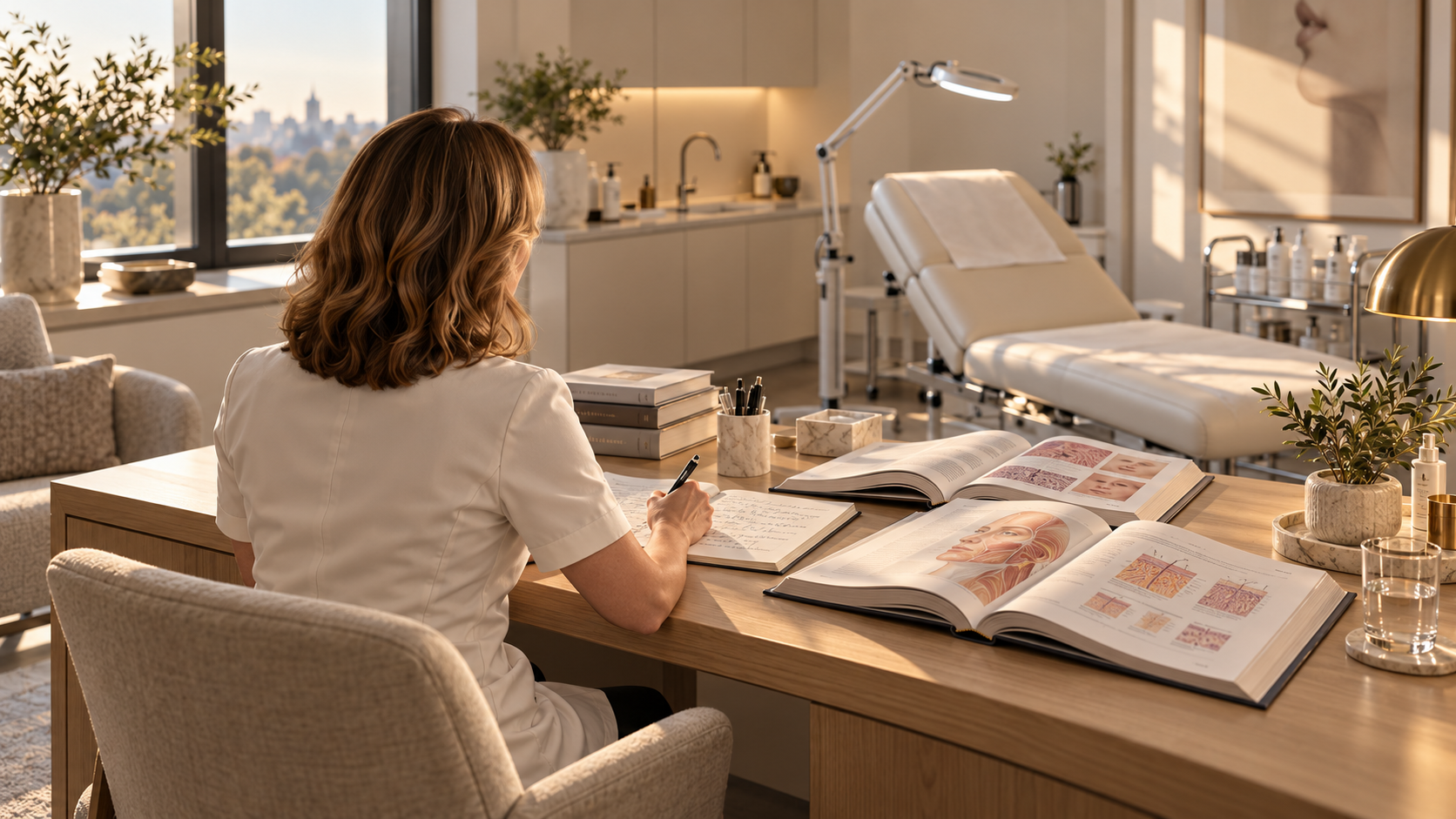



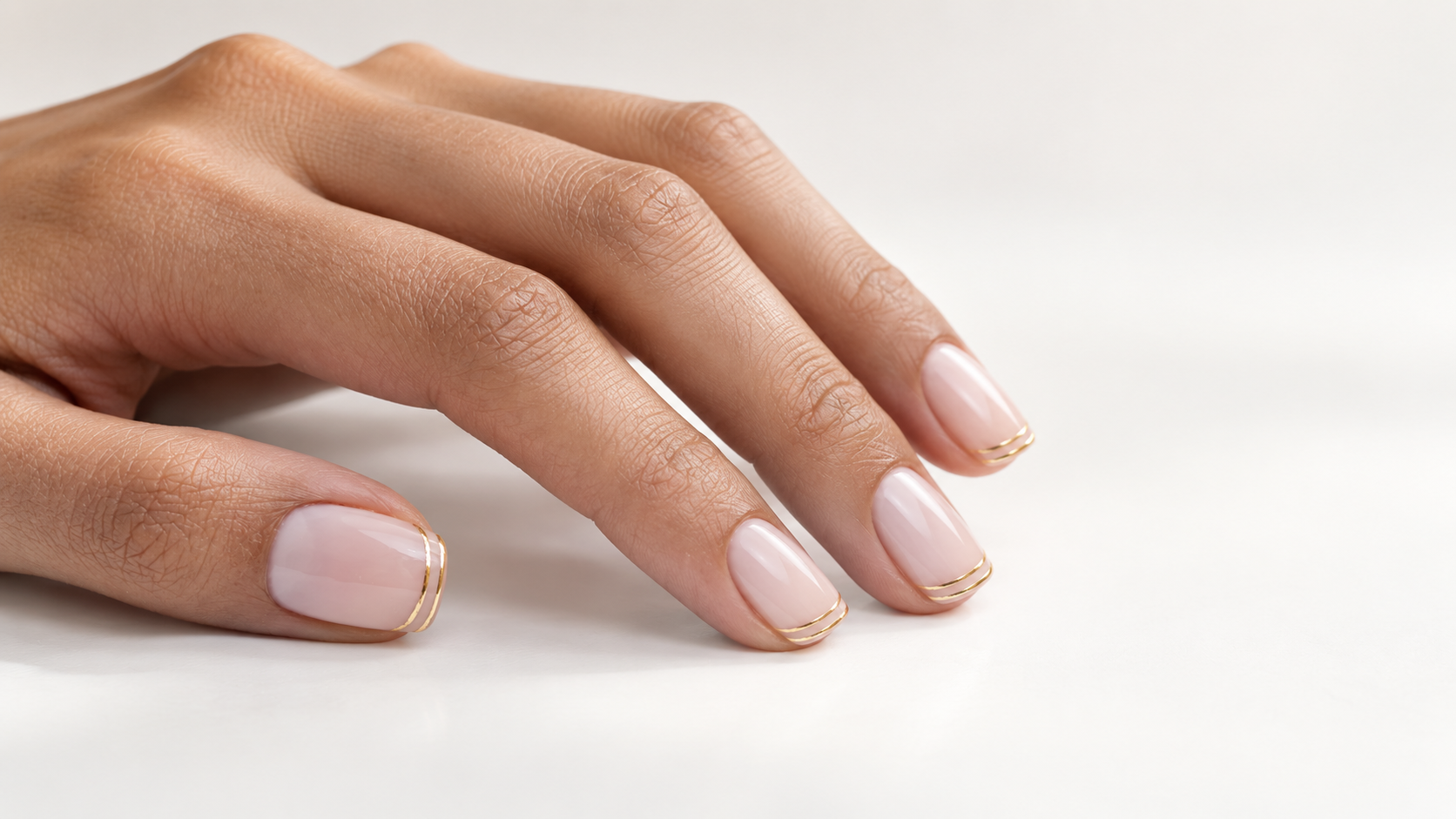
Their precise finish and promises of lasting wear have made Ukrainian and Russian manicures objects of fascination. Understanding the appeal starts with separating the treatment names from the techniques, and knowing where meticulous preparation should stop.