
Industry Survey Reveals 1 in 5 Hair and Beauty Businesses Operate At a Loss

One in five hair and beauty businesses are operating at a loss, according to new survey findings from the National Hair & Beauty Federation, which point to growing financial strain across the sector as employment and operating costs continue to rise. The research, based on responses from 423 hair and beauty professionals across the UK, also found that nearly three quarters of businesses are working on very narrow margins, making only a small profit or breaking even.
The findings suggest a sector that remains active in trading terms but is under increasing pressure financially. The NHBF says many businesses are busy with clients while still struggling to generate profit once labour costs, energy bills and property expenses are taken into account. More than 300 businesses identified labour costs, including minimum wage increases and employer National Insurance changes, as their biggest source of pressure.
Price rises are expected to continue. The survey found that 307 businesses expect to increase prices in the next three months as costs keep climbing, while confidence over the near term remains fragile, with 131 businesses saying they are unsure about their outlook for the next six months.
The pressure is also affecting recruitment and training. According to the survey, 388 businesses said they were unlikely or definitely not planning to take on apprentices in the next three months. The NHBF said this was particularly significant in a sector made up largely of micro-businesses employing fewer than five staff, where apprenticeship opportunities depend heavily on small employers having the capacity to recruit and train.
The report also points to concern over measures announced in the 2025 Autumn Budget, which take effect from 1 April. Many businesses expect those changes to have a negative effect on viability and say they are likely to respond by raising prices, freezing recruitment, reducing apprenticeships or delaying investment.
Sam Silver, Head of Policy and Public Affairs at the NHBF, said the figures showed a sector “working incredibly hard but operating with very little headroom”, with cost pressures feeding directly into decisions on recruitment, apprenticeships and investment.


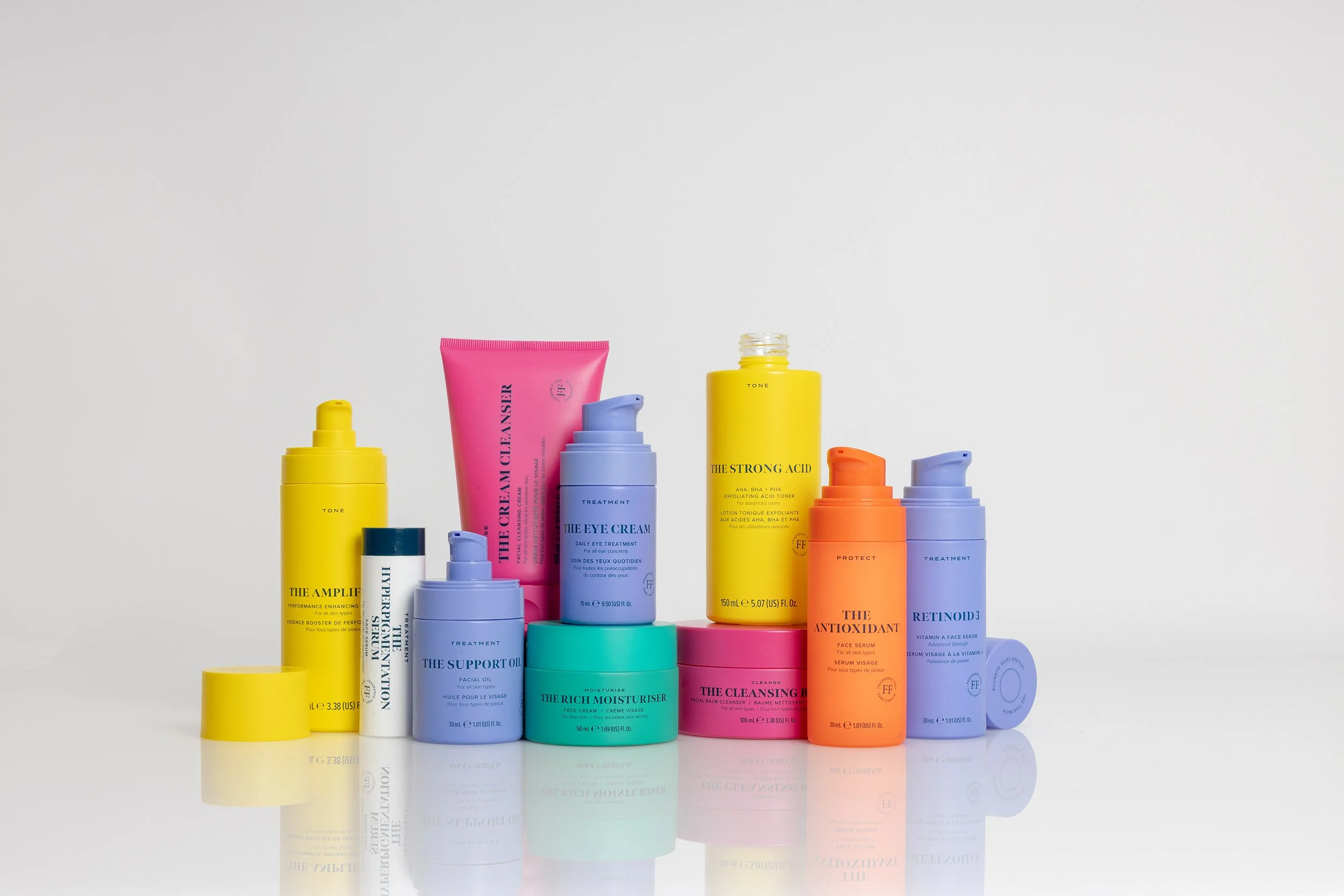
DCYPHER Beauty has launched at John Lewis Oxford Street, marking the brand's first physical retail location. The launch, which took place on September 8, gave customers the opportunity to experience DCYPHER’s patented AI-powered shade-matching technology in-store and have a completely bespoke foundation mixed and bottled in under two minutes.