
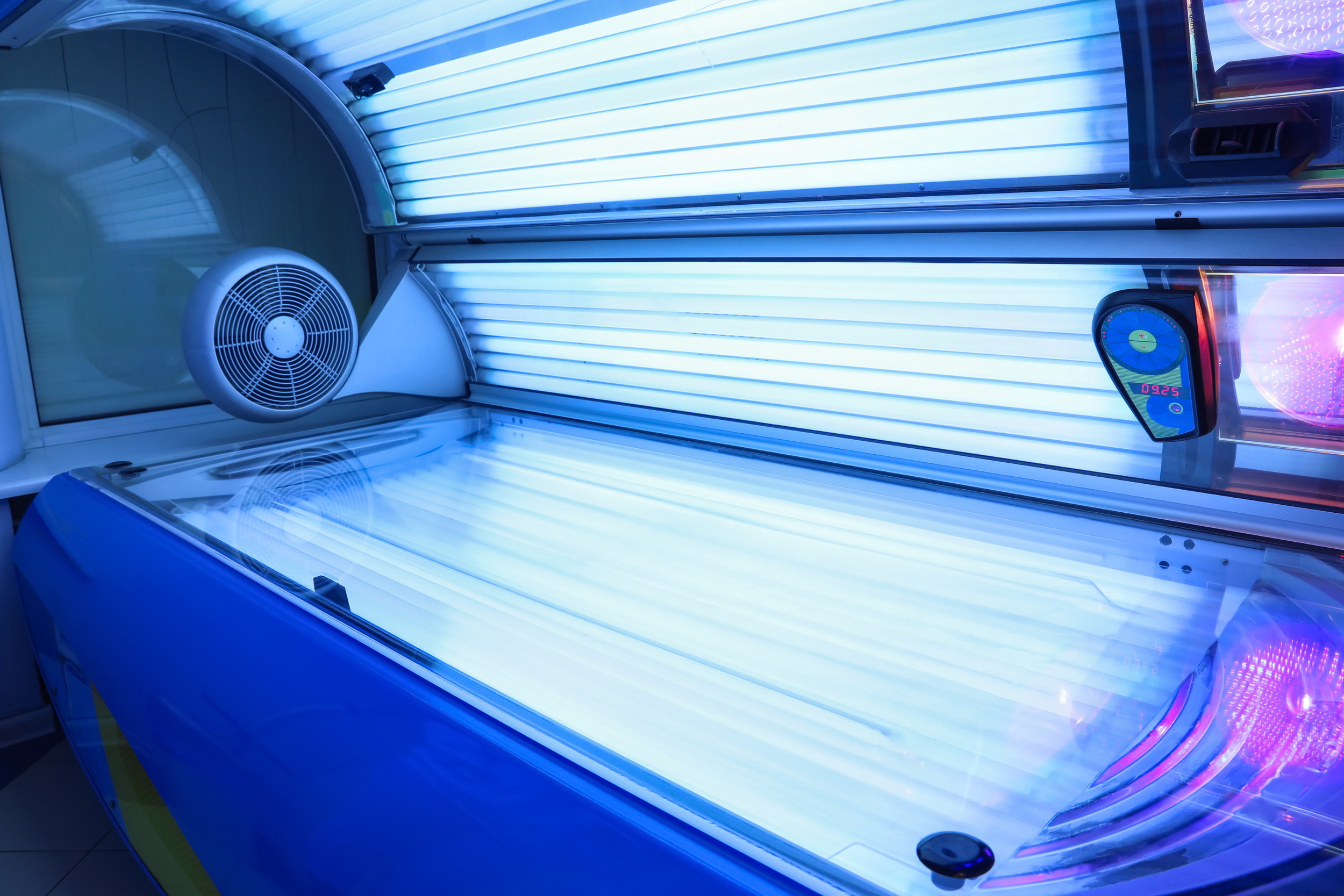
The Advertising Standards Authority (ASA) has launched a significant crackdown on the tanning industry, banning advertisements from five separate firms for making "misleading and irresponsible" safety and health claims. The rulings, published on 21 January 2026, target the use of terms like "safe tanning" and assertions that sunbeds can treat medical conditions.
This regulatory wave follows the deployment of the ASA’s AI-powered Active Ad Monitoring system, which proactively identifies online content that breaches the CAP Code. The watchdog’s latest intervention comes amid rising public health concerns regarding ultraviolet (UV) exposure and the role of social media in normalising sunbed use.
The censured companies include:
The Sun Company (Horsham): For an Instagram ad that suggested tanning could be obtained safely.
SunShine Co: For search ads describing their studios as a "go-to destination for a safe and enjoyable tanning experience".
Tanbox Towcester: For claims that sunbed use offered health benefits and was "healthy," while discouraging medical supervision for Seasonal Affective Disorder (SAD).
JD Tanning UK Ltd (t/a Tan & Deliver): For ads suggesting sunbeds ease skin conditions like psoriasis and eczema and boost Vitamin D.
Byrokko: For marketing tanning accelerators with claims that they offer a way to get a tan "without the dangerous part".
A central pillar of the ASA’s rulings is the total rejection of the idea that UV tanning can be described as safe. The watchdog cited long-standing advice from the NHS and Cancer Research UK, which states there is no such thing as a safe way to tan using UV radiation, regardless of the source. The rulings emphasised that sunbeds utilize high-intensity UV rays that increase the risk of skin cancer. Advertisers were warned that downplaying these risks is irresponsible and likely to mislead consumers.
The companies involved provided the following responses to the ASA's investigation:
In resposnse to ASA’s investigation, The Sun Company (Horsham) Ltd stated “We acknowledge the ASA's ruling in relation to an early social media post made shortly after opening. The specific content referenced in the ruling has been removed, and we have reviewed our advertising practices to ensure full compliance going forward. Customer transparency and regulatory compliance are important to us."
Byrokko, also mentioned in the ruling stated "The purpose of the ad was not to suggest that tanning was 'healthy' or to make any medical or therapeutic claims. The ad was educational and was meant to guide consumers towards limiting sun or sunbed exposure and to promote cosmetic tanning alternatives that reduced reliance on potentially harmful tanning methods... [We] clarified that the phrase 'without the dangerous part' was not intended to suggest that tanning could be made medically safe, but rather to highlight that Byrokko products could help achieve the appearance of a fake tan... [We] acknowledged that the phrasing in the ad could have been interpreted as implying that tanning with sunbeds could be 'safer', which was not our intention... [We] will refrain from using any similar language that could suggest health or safety connotations in future ads."
The ASA also took a firm stance against the promotion of sunbeds as a health tool. Specific claims targeted included:
Vitamin D production: Marketers were warned that sunbeds are not a recommended source for Vitamin D, as the dangers of UV exposure outweigh potential benefits.
Mental health: Claims that sunbeds treat Seasonal Affective Disorder (SAD) or "winter depression" were ruled irresponsible for discouraging people from seeking professional medical advice.
Skin conditions: Assertions that sunbeds manage psoriasis or eczema were banned, with the ASA noting that UV treatments for these conditions must be conducted under the supervision of health professionals in a hospital setting.
The ASA has instructed all firms that future advertising must not suggest sunbeds are safe, provide health benefits, or treat medical conditions. Jess Tye, the ASA’s regulatory projects manager, noted that protecting people from misleading health information remains at the heart of the work, "given the serious dangers of UV exposure, it's vital that ads for sunbeds don't suggest that they're safe or offer health benefits. These rulings demonstrate that information about health in ads must be clear, accurate and responsible. Protecting people from misleading or irresponsible ads is at the heart of our work and we'll take action where ads break the rules by putting people at risk."


Hydrafacial UK has promoted Justine Stephens-Parker to Senior Head of Sales for the UK and Ireland, with a remit to support the company’s continued expansion across both markets.