
CAP Sets Out Irresponsible Advertising for hHgh Risk Cosmetic Procedures
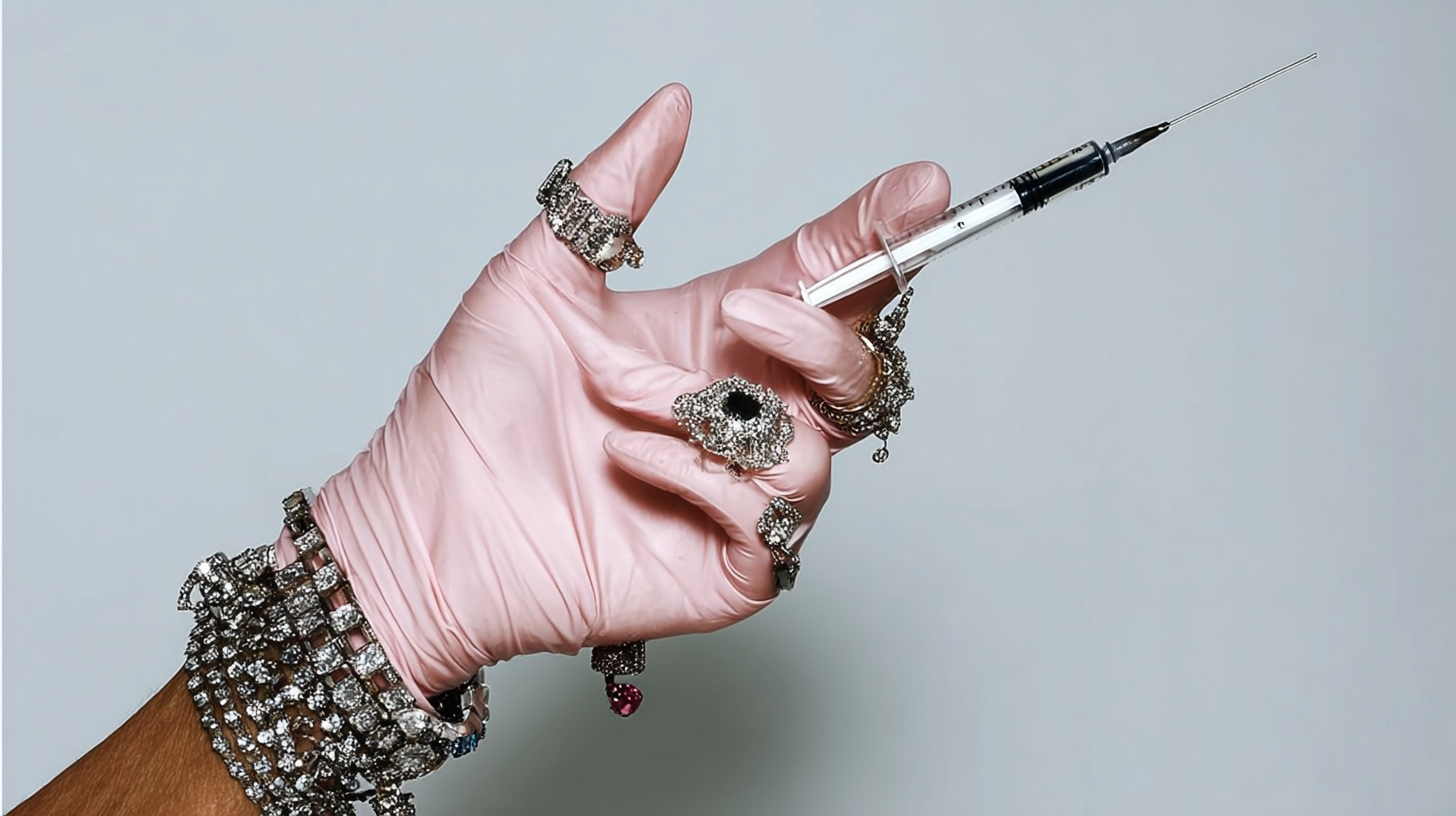
The Committee of Advertising Practice (CAP) has published two enforcement reports detailing the online ad practices it is treating as irresponsible in the promotion of high risk cosmetic procedures, with a particular focus on non surgical liquid Brazilian butt lifts and cosmetic surgery packages sold by clinics based abroad. The work used CAP and ASA’s AI powered Active Ad Monitoring system to capture paid social ads on Meta at scale and then take compliance action against advertisers whose creative breached the CAP Code’s social responsibility rules.
For non surgical liquid BBLs, CAP captured 928 unique paid ads between April and December 2025 and found that, by December 2025, only 11.5% of assessed ads complied with the Code. The recurring problem patterns were time limited pressure tactics, safety and risk minimising language, and messaging that linked procedures to body insecurities and confidence uplift. CAP highlights examples such as “limited slots available” urgency prompts, claims like “0% infection rate” or describing procedures as “safe” without reflecting risk, and copy that pitches results as effortless or confidence transforming.
CAP’s enforcement response included instructing six clinics to amend or remove ads that were not compliant, with a combination of advertiser action and platform removal where advertisers did not engage. CAP also contacted additional advertisers who had previously run problematic ads and issued guidance on compliant promotion of liquid BBLs to UK consumers. The regulator flags the low compliance rate as a serious concern, and links the advertising issue to the wider reality that liquid BBLs remain an unregulated procedure, while noting government measures expected in 2026 that will restrict administration of high risk procedures such as non surgical liquid BBLs to suitably qualified, CQC registered healthcare professionals.
In cosmetic surgery abroad, CAP assessed more than 4,000 paid ads across two phases of monitoring, covering clinics advertising into the UK market between December 2024 and December 2025, and reports improving compliance following targeted enforcement. The common issues mirror the liquid BBL findings, particularly time limited offers and bundle style packages such as “mommy makeover” promotions that risk exploiting insecurities and pressuring consumers into rushed decisions about surgery. CAP reports compliance rising from 61.4% to 86.9% in phase one and from 41.7% to 70.6% in phase two after enforcement action and escalation through Meta where required.
High risk cosmetic procedures are being policed through a harm lens, not just a misleading claims lens, and the red lines sit around urgency mechanics, reassurance language that dilutes risk, and creative that plays on insecurities or vulnerability. The direction of travel sits alongside existing CAP guidance on marketing surgical and non surgical cosmetic interventions, including restrictions on targeting under 18s and broader rules on responsible presentation of cosmetic interventions.

SHA has appointed Fernando Alonso as its new Global Ambassador and Wellness Advisor, aligning the medical wellness group’s approach to longevity with one of the longest and most enduring careers in Formula One.