

Emma Coleman, columnist at PBL Magazine is an Aesthetics and Dermatology RGN with award-winning clinics across London and Kent. She frequently speaks and writes about her passion: taking a holistic approach to skin health, and has launched her own natural, antioxidant skincare line.
Seasonal allergies to pollen and grasses affect one in five of us, whilst dust allergy affects approximately 10% of the global population. Aside from the common symptoms associated with these allergies such as runny nose, watery eyes, wheeziness, sore throat and sneezing, many people also experience spontaneous skin flare ups including itchy rashes and hives which can erupt anywhere on the body. Many people with skin allergies can feel self-conscious, causing them to steer clear of social situations, and the itching often gets worse at night time as our body’s natural antihistamine levels drop to encourage rest. This can play havoc with sleep patterns, not only for sufferers but those around them too; I often see frazzled families visiting my clinic desperate for assistance and a good nights sleep.
According to the charity Allergy UK 25% of us will experience skin allergy during our lifetime. Below I share some key advice to reduce and treat these types of rashes:
Take a course of oral antihistamines – the non-drowsy ones - during the spring and summer months.
If the skin is really red and itchy, a short course of topical steroids can help to break the skin’s immune response to the trigger causing the allergic reaction, and help to heal the skin barrier. Talk to your GP or skin specialist about this option.
If you have hay fever, finish each day with a tepid shower to wash pollen and grass seeds away which may be clinging to your face, hair and body.
Avoid using heavily fragranced shower gels, moisturizers and body lotions. Instead, wash the skin daily using tepid water and an emollient cream such as Aqueous cream or Cetraben. These creams are designed to lock moisture into the skin and help keep you feeling more comfortable.
Invest in an air purifier and humidifier for your bedroom, which will help to keep the air clean and moist as you sleep, reducing itching and inflammation.
Have carpets and curtains professionally cleaned twice yearly – in autumn and spring. This will help to keep allergens in your home to a minimum.
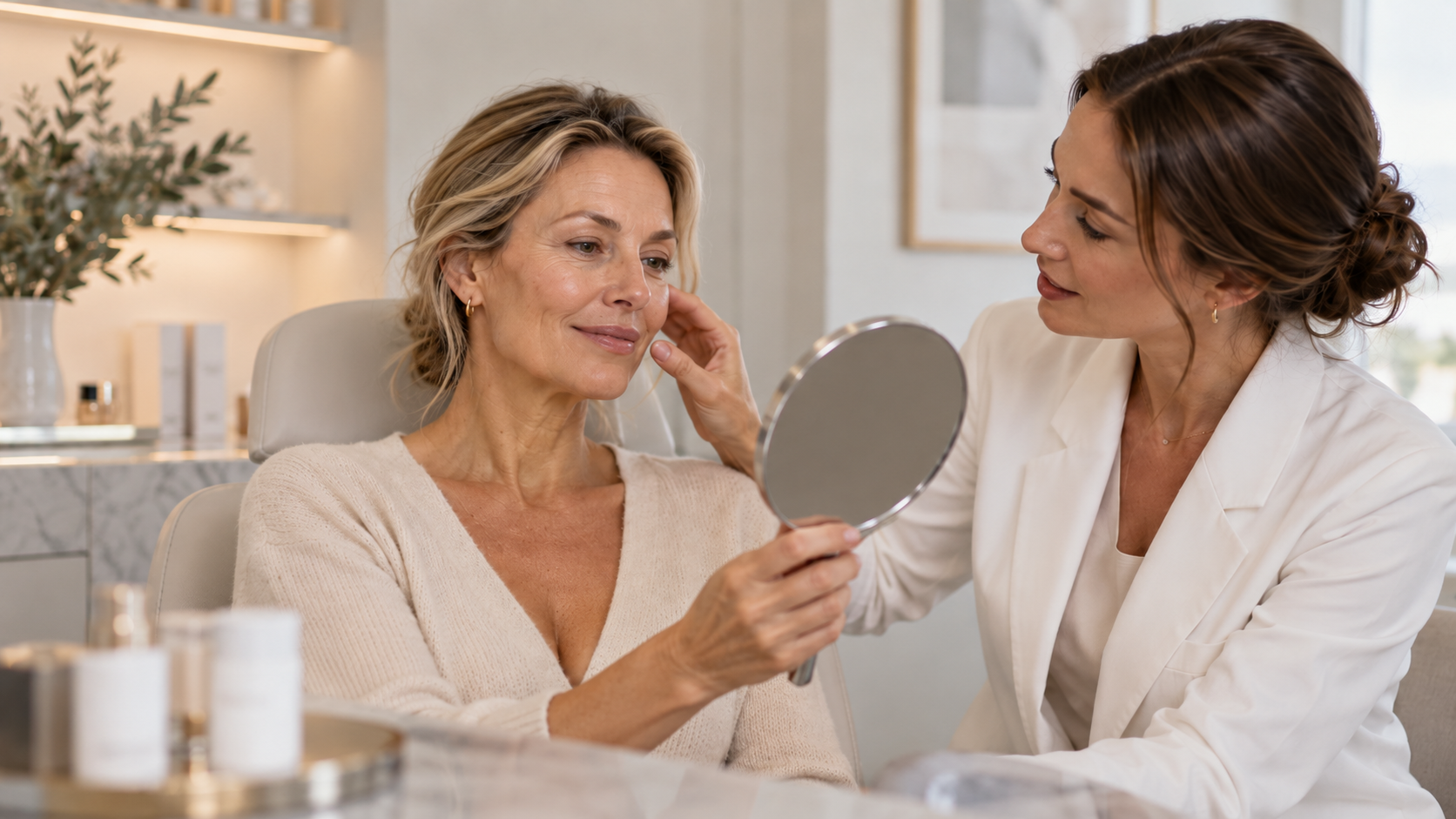
Seek medical advice from a professional if you are experiencing chronic skin allergies, as an allergy test could help. I like the ALEX Skin Allergy test as it involves a simple finger prick and tests for 282 different allergens.




Jennifer Lawrence is the latest A-lister to enter the beauty business with mes°, a biotechnology-led haircare brand developed alongside scientist Jasmina Aganovic. And while another celebrity beauty launch might ordinarily inspire a little scepticism, this one has a backstory worth paying attention to.